


 SAME DAY DISPATCH; ORDER BY 2PM
 SECURE PAYMENT
  4.8/5 RATING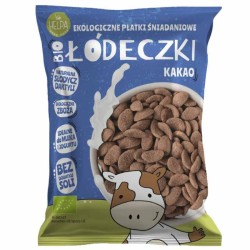
- Bestseller
* High magnesium content
* Vegan product
* Long-term satiety
- Bestseller
* Vegan
* Perfect for breakfast
* Source of energy
- Out-of-Stock
- Bestseller
- V
- GF
- SF
- Out-of-Stock
- Bestseller
- V
- GF
- SF

- Out-of-Stock
- Bestseller
- V
- SF
Bio buckwheat-spelt balls with cocoa 160g Helpa are great for a healthy breakfast.
Low sugar cereal
Every low sugar cereal on our shelf sits at 5 g of sugar or less per 100 g – the line that officially counts as “low sugar” – so the comparison is done before checkout. You will find no-added-sugar flakes, lower-sugar chocolate and cocoa cereals, cereal pillows and gluten-free options, each listed with its sugar and fibre per 100 g. Scan the shelf and fill a cleaner bowl this week!
How to read the sugar content in cereal
The figure that matters sits on the back of the pack, in the “carbohydrate, of which sugars” line, always read per 100 g rather than per serving.
Three things settle it from there: the “of which sugars” figure, where 5 g or less per 100 g counts as low and over 22.5 g as high; the ingredient order, which runs by weight, so sugar, syrup or honey near the top signals a sweeter mix; and the wording itself, since “sugar-free” means 0.5 g or less per 100 g, while “no added sugar” only rules out added sweeteners. Read them together and the front-of-pack claim rarely tells the whole story.
Browse low sugar cereal by type
Our range falls into a few clear groups, so you can shop by what matters most – no added sugar, a lower-sugar chocolate option or gluten-free.
No-added-sugar flakes
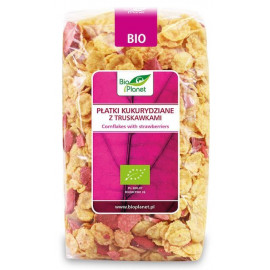
No-added-sugar flakes skip the syrups and coatings, so any sweetness comes from the grain or the fruit already in the mix. That means naturally occurring sugars can still appear on the label, so the per-100 g figure stays the honest guide. Expect wholegrain oat and millet flakes, plus corn flakes with fruit, several certified organic.
Lower-sugar chocolate & cocoa cereals
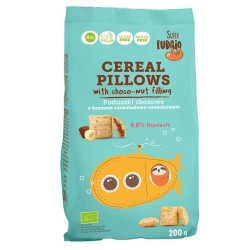
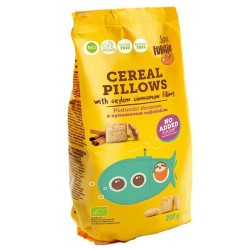
Chocolate and cocoa cereals usually mean sugar, but the lower-sugar versions lean on cocoa and sweeteners such as xylitol, so they can still clear the 5 g line. Expect cocoa-dusted flakes, chocolate cereal pillows and puffed cocoa balls, several organic, and our puffed grains make a plainer base to mix in.
Gluten-free low sugar cereal
Gluten-free low sugar cereal has to clear two separate tests: 20 mg/kg of gluten or less for the gluten-free claim, and 5 g of sugar or less per 100 g for the low-sugar one. Gluten-free alone says nothing about sugar, so both labels need checking side by side. The base is usually rice, corn, buckwheat or certified oats, and we keep these with the wider gluten free cereal selection so coeliac shoppers can filter in one place.
Building a filling low-sugar breakfast
A low-sugar bowl feels more substantial when you build it from protein, fibre and a little healthy fat rather than sugar. Start with wholegrain flakes, add milk or yoghurt, then top with fresh fruit, nuts or seeds. For sweetness without the sugar load, a spoonful of our healthy jams works well, especially the no-added-sugar spreads. Built this way, a low-sugar cereal is a breakfast worth having.
Frequently asked questions about low sugar cereal
How much sugar counts as “low sugar”?
Low sugar means 5 g of total sugars or less per 100 g, the threshold the NHS uses for the green front-of-pack label. Adults are advised to stay under 30 g of free sugars a day, and cereal is an easy breakfast to overshoot on, so the per-100 g line is worth a check.
Which cereals have no added sugar?
Plain wholegrain flakes, cereal pillows and puffed grains are the usual no-added-sugar choices, sweetened only by the fruit or cocoa already in the mix. For the nearest thing to zero, look past “no added sugar” to the stricter “sugar-free” claim, which only applies at 0.5 g of sugars or less per 100 g – a plain puffed grain tends to clear it, while dried fruit or added cocoa usually pushes a flake blend past it.
Do you sell gluten-free low sugar cereal?
Yes – we list cereal that carries both the gluten-free label and the low-sugar claim, drawn from the wider gluten-free range and filtered again for sugar. Plain oats can pick up gluten from wheat, rye or barley during growing and milling, which is why only cereals made with specifically certified gluten-free oats – alongside rice, corn or buckwheat bases – make it into this filter.
Are low sugar cereals good for weight management?
A lower-sugar breakfast can help by cutting free sugar and, with added protein or fibre, making a portion feel more satisfying, but no cereal manages weight on its own. Weight depends on total calories, portion size, your whole diet and activity, so treat a low-sugar bowl as one useful swap rather than a fix.