

 SAME DAY DISPATCH; ORDER BY 2PM
 SECURE PAYMENT
  4.8/5 RATING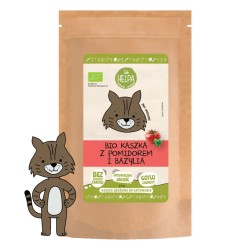
- New
- V
- O
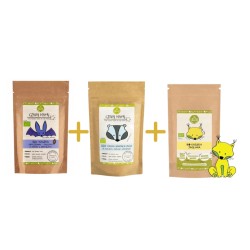
HELPA Organic Tomato & Basil Porridge is a savoury organic cooking cereal in a 200g pack. It combines barley and millet with red lentil flour, dried tomato, basil and garlic. It has no added sugar and cooks in just 2-3 minutes.
- New
- V
- O
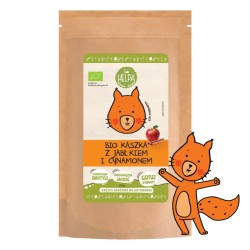
HELPA Organic Apple & Cinnamon Porridge combines wholegrain spelt and oats with freeze-dried apple, dates and Ceylon cinnamon. No sugar added.
- V
- GF
- O
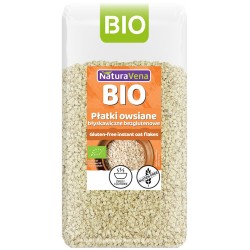
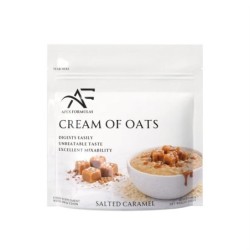
NaturaVena Organic Gluten-Free Instant Oat Flakes are organic instant oat flakes, made from certified gluten-free oats. Thanks to their instant form, preparation takes just moments.
- -20%
- Expiry date 31.10.2026
- V
- SF
- O
* suitable for vegans
* BIO certified
* easy to combine with additives
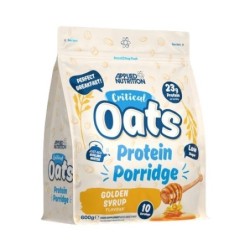
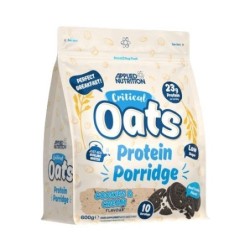
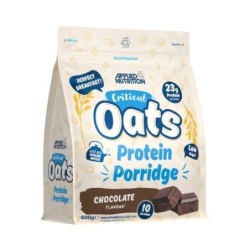
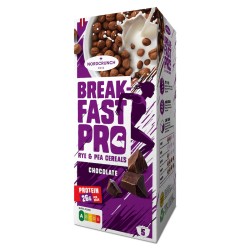
- -10%
- Expiry date 06.11.2026
* Certified product
* For children and adults
* Source of energy
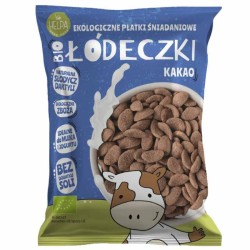
- Bestseller
* High magnesium content
* Vegan product
* Long-term satiety
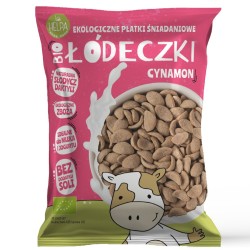
- Bestseller
* Vegan
* Perfect for breakfast
* Source of energy
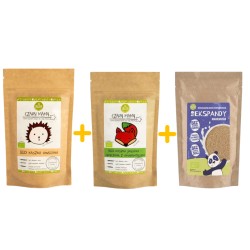
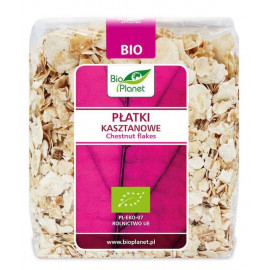
- Bestseller
- V
* Organic product.
* High fiber content, supporting fiber content.
* Versatile use in the kitchen.
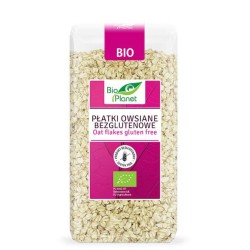
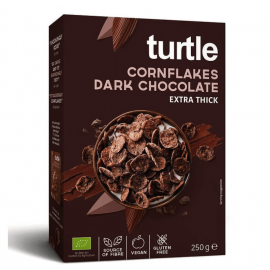
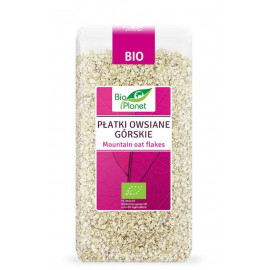
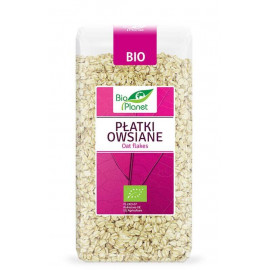
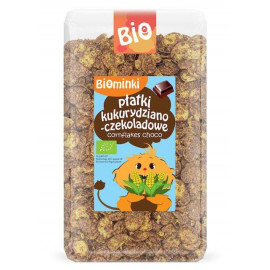
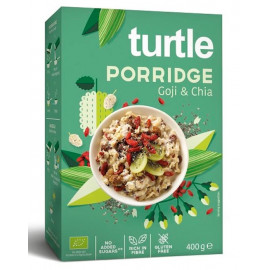
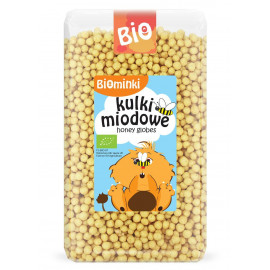
- -20%
- Bestseller
- SF
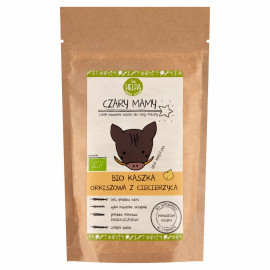
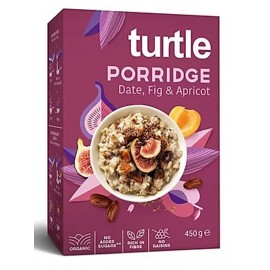
Organic porridge with dried fruit is a great idea for a nutritious breakfast.

- Bestseller
- V
- SF
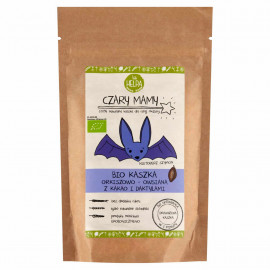
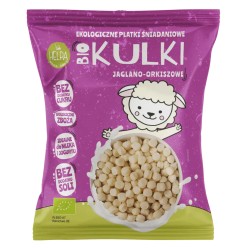
Bio buckwheat-spelt balls with cocoa 160g Helpa are great for a healthy breakfast.

- Out-of-Stock
- Bestseller

- Out-of-Stock
- Bestseller
* Simple composition
* No added sugar
* Natural organic ingredients
- Out-of-Stock
- Bestseller
- V
- GF
- SF
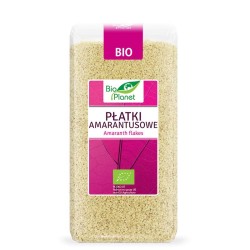
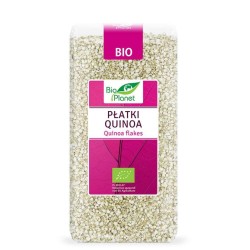
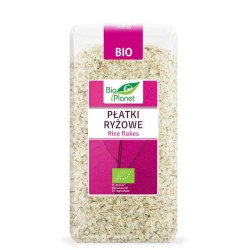
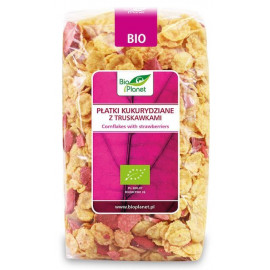
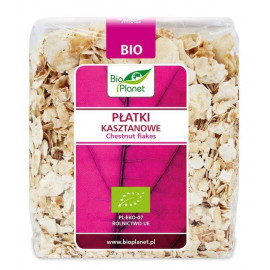
For many people, the morning starts with a bowl of cereal and muesli – and it’s no wonder. This is a quick-to-prepare food that can be both tasty and nutritious. However, the basis is the composition. Among products in this category, it is worth paying attention to the type of grain, additives and the presence of sugar. Gluten-free millet flakes, quinoa, cornflakes without added sugar or mixtures based on whole grains with dried fruit and nuts are increasingly being chosen. More unusual ingredients are also appearing – such as amaranth, chestnuts and even quinoa flakes. Such combinations are not only a variety, but also a good source of fiber and minerals. A good example is rice flakes with cranberries and plums, which do not contain artificial additives, but still have a distinct taste.
Flakes and muesli – different grains, different needs
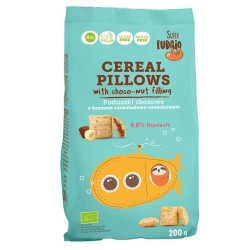
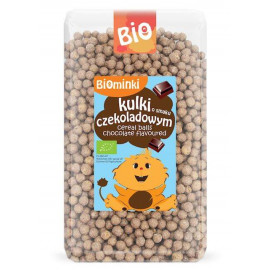
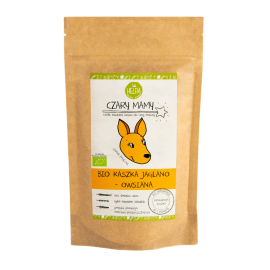
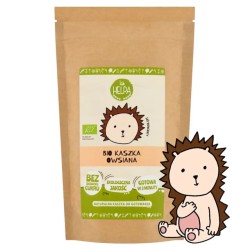
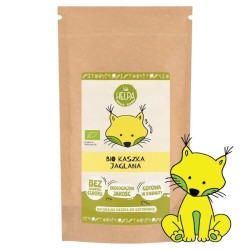
Not everyone is looking for the same thing in breakfast cereals. For some, speed is key – they choose instant flakes that can be poured with hot water and eaten in a minute. Others want something more substantial, such as crunchy muesli with nuts or cereal balls with cocoa. There are also options for children on the market – pillows with chocolate cream, cocoa shells, vanilla balls – often without added sugar, which is a big plus for parents. It is also worth remembering that muesli or flakes are not just for breakfast. They work well as an ingredient in yoghurts, smoothie bowls, and even homemade bars or cookies. For the youngest, a good alternative may be millet-oat porridge or semolina from ancient grains, which has a simple composition and does not contain added sweeteners.
How to choose flakes and muesli without marketing traps
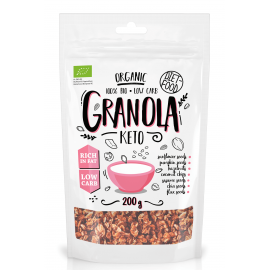
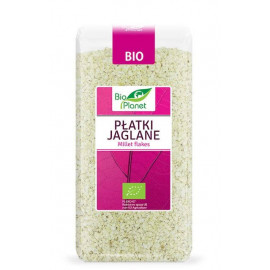
A quick glance at the store shelf is enough to see how many marketing tricks there are here. "Fit", "light", "healthy", "whole grain" - but what good is that if the list of ingredients includes: glucose syrup, palm oil, dyes? That is why when choosing flakes and muesli, it is worth considering not the packaging, but the label. A short composition, high fiber content, no added sugar or hydrogenated fats - this is a good starting point. For people on a gluten-free diet, products such as gluten-free oat flakes, organic honey balls, millet flakes or amaranth flakes will work well. In turn, those looking for an alternative to dairy breakfasts can opt for vegan mixtures with the addition of nuts, seeds and dried fruit. Keto granola and flakes enriched with superfoods are also becoming more and more popular. However, the real test of quality is taste. Because if something is healthy but tasteless - it will end up in the back of the cupboard anyway. Therefore, flakes and muesli should not only be well-composed in terms of composition, but also simply pleasant to eat. Without this, even the best nutritional values have little significance.