


 SAME DAY DISPATCH; ORDER BY 2PM
 SECURE PAYMENT
  4.8/5 RATING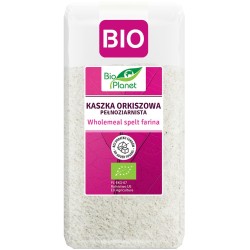
- -20%
- Expiry date 31.10.2026
- V
- SF
- O
* suitable for vegans
* BIO certified
* easy to combine with additives

- V
- O
* Rough texture
* High fiber content
* Certified product
- -14%
* Light and gentle on the stomach
* Fits both vegetables and meat
* Certified BIO product
- -12%
- Bestseller
- V
* Certified BIO product
* Ideal for soups
* Supports healthy metabolism
- -12%
- Bestseller
* Certified BIO
* Delicate taste
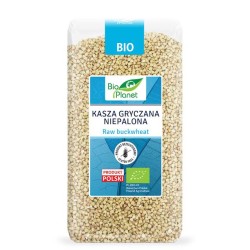
- -12%
- Bestseller
- V
- GF
* Organic product.
* Rich in fiber.
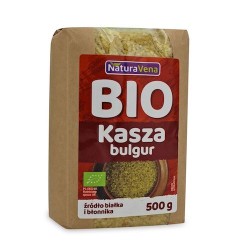
- -12%
- Bestseller
- V
* Organic product.
* Nutty aroma.
* Low calorie content.
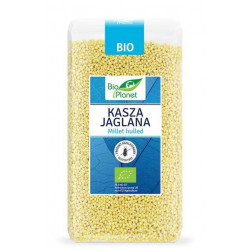
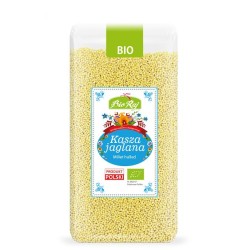
- -12%
- Bestseller
- Expiry date 31.10.2026
- V
- GF
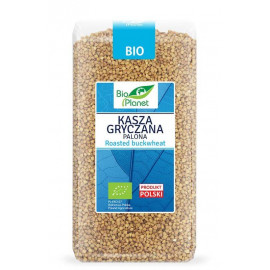
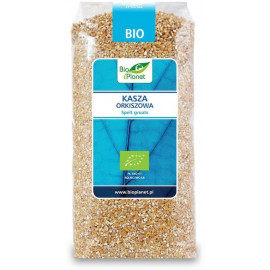
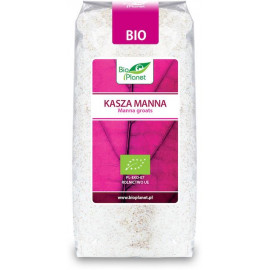
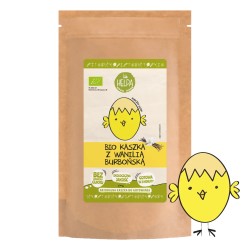
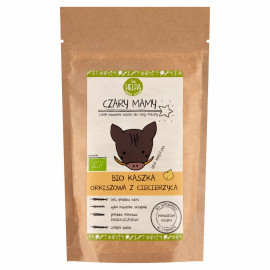
Organic Groats and Grains
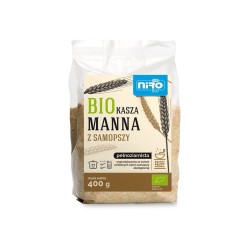
One grain needs only a quick soak, another a slow simmer – decisions like that shape our groats and grains range at 4ecoshop: buckwheat, millet, barley, spelt and bulghur next to Mediterranean staples more familiar from restaurants than home kitchens. It is a shelf for people who cook every day and want a break from rice and pasta, with organic groats from Bio Planet, NaturaVena and La Bio Idea. Read on to match the grain to the dish, the pan and the time you really have in the evening!
Choosing groats for everyday meals
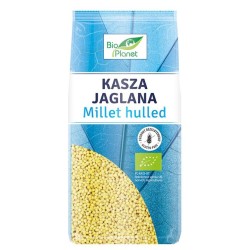
Two grains here look nearly identical in the bag and behave nothing alike in the pot. Millet groats swell into soft, separate grains that soak up sauce, so they sit well under a stew. Pearl couscous stays firm and distinctly chewy, which holds up in a cold salad with oil and lemon. Swap the rice or pasta base twice a week and two grains that behave differently beat a bigger bag of one.
Names on the pack matter too. Shoppers often ask for pearl barley, which is a more polished form of the grain than the packs we list, and the two are not interchangeable in a soup recipe. Ground finer, the same cereals become the wholegrain flour on the baking shelf nearby, instead of ending up whole in the pot.
Cooking times and proportions for groats
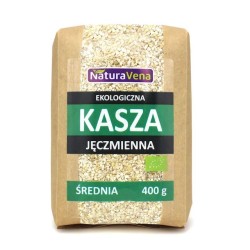
Cooking times across the types of groats we stock differ far more than the water ratios do. Two parts water to one part grain is the usual starting point for anything you want fluffy and separate. Roasted buckwheat is ready in about 15 minutes and hulled millet takes a similar time once rinsed. Barley groats need 30 to 40 minutes, because the grain is denser and less processed.
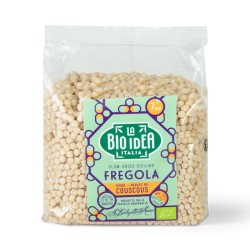
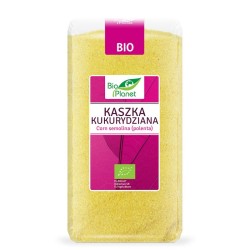
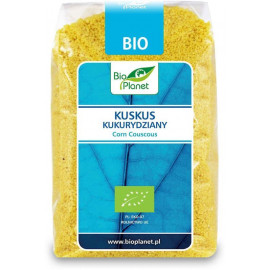
Polenta works the other way round: you pour it into simmering liquid and stir while it thickens, so it takes far more liquid than a grain you boil and drain. How long it needs depends on how coarsely the corn semolina was milled, and the pack states it. Fregola pasta is different again – plenty of salted water, no lid, drained while still firm.
Groats and grains for breakfast porridge
Yesterday's dinner grain makes a decent breakfast, and cooking a double portion in the evening is the simplest way to get through a bag. Wholemeal porridge made from spelt gives a nuttier, fuller bowl than oats, and millet cooked in milk or a plant drink comes out mild enough for children. Salt it at dinner, leave the second half unsalted, and one pot covers two meals.
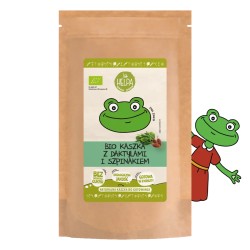
If weighing grain before work is too much, we also stock ready-milled porridges from Bio Planet and HELPA – spelt with chickpea, or millet with no added sugar – next to the flakes and mueslis in our healthy cereal range.
Storing grains and keeping them fresh
Organic groats and conventional ones keep the same way: an airtight jar in a cool, dark cupboard, away from the hob and from anything strongly scented, because dry grain takes on smells quickly.
Most packs here come in 400 g and 500 g sizes, and a bag finished within a few weeks stays in better shape than a sack opened once a month. Decant, write the date from the pack on the jar, and seal finely milled grains especially well, as they clump once they take on damp.
Gluten-free grains in the range
Buckwheat groats and hulled millet are the gluten-free options here, and the ones we stock say so on the front of the pack. Spelt, emmer, einkorn, bulghur, semolina and fregola all contain gluten, so they are not substitutes in a coeliac kitchen. The shelf carries a strong organic range alongside conventional specialist products, and at 21 items it stays small enough to cook your way through in a season.
For the same cereals without a pan, the puffed grains we sell are dried and blown light, ready to scatter over the porridge you already cook. It is the quickest way to give one grain a second texture at breakfast.