


 SAME DAY DISPATCH; ORDER BY 2PM
 SECURE PAYMENT
  4.8/5 RATING


Turmeric and Curcumin Supplements
Manufacturers rarely leave the root on its own: most add black pepper extract standardised for piperine, and some pair turmeric with berberine, boswellia or milk thistle. That single decision is what separates one pack from the next among our turmeric supplements, from capsules built on a standardised extract to a jar of powder meant for the kitchen. Read the next few sections before you settle on a format!
What is the difference between turmeric and curcumin?
Turmeric is the ground root of Curcuma longa, the spice also known as Indian saffron. Curcumin is one of the compounds inside it – it makes up only a small part of the root. That is why a curcumin supplement is normally built on a concentrate rather than on the spice itself. A standardised turmeric extract is what fills those capsules, while a culinary product is simply the milled root.
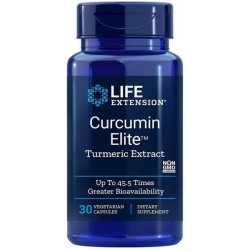
Life Extension prints Curcumin Elite Turmeric Extract on its vcaps and KIKI Health prints Turmeric Powder on a 150 g pack, so both words describe the same plant at two different concentrations.
Why is curcumin combined with black pepper extract?
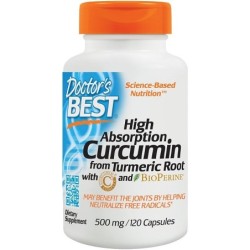
The pairing repeats an old habit from Indian cooking, where turmeric and pepper go into the pan together. Black pepper extract is the most common addition in this category, and on the front of a pack it usually appears under the BioPerine name. Doctor's Best combines curcumin with C3 Complex and BioPerine at 500 mg per capsule.
When two packs look alike, check whether piperine is listed at all, and at what strength. A label that says curcumin with BioPerine has already made that choice for you. Every product page here is written in English and Polish, so an ingredient list can be read in whichever language you get through faster.
Turmeric capsules or turmeric powder: which to pick
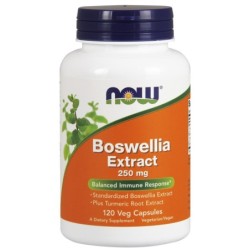
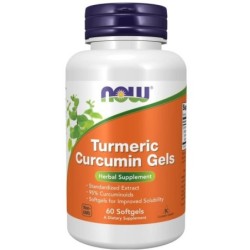
Turmeric capsules make sense when you want a fixed amount without weighing anything. The strengths printed on our packs are 250 mg in the NOW Foods formula with boswellia, and 400 or 500 mg in other formulas built on extract.
Turmeric powder is the answer if the root is going into food: KIKI Health fills a 150 g pack and one heaped teaspoon is 6 g. For cooking alone, the organic turmeric milled for the kitchen sits with our other organic spices.
Turmeric combined with other plant extracts
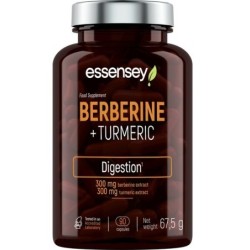
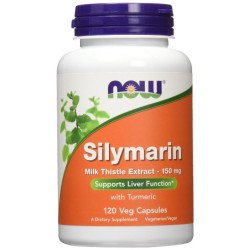
Some packs put the root next to a second extract, and the product name tells you which one. Essensey pairs berberine with turmeric, while NOW Foods sells Boswellia Extract Plus Turmeric Root Extract at 250 mg and a milk thistle version at 150 mg per capsule.
Turmeric and milk thistle in one capsule means one pack in the cupboard instead of two, and the label states how much of each extract is inside. Our dried herbs belong to a different part of the shop: oregano, coriander, dill and Italian blends, bought by the spoonful for seasoning.
How to take turmeric supplements with food
Turmeric supplements in capsule and softgel form are usually taken with a meal, which is the easiest habit to keep, and the pack states how many go into a day. Powder is the flexible one: stir it into a curry, rice or lentils once the pan is warm, or add half a teaspoon to a smoothie. Collagen and drink shots sit on our separate superfoods shelf.
The choice here comes down to one thing: whether the root ends up in a capsule or in the pan.