


 SAME DAY DISPATCH; ORDER BY 2PM
 SECURE PAYMENT
  4.8/5 RATING







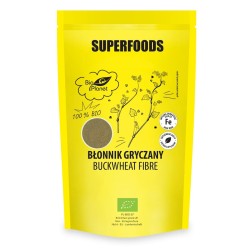
* Source of dietary fiber
* Ideal for coating
* Certified BIO product







- GF
- O
* Certified BIO quality
* Combination of fruit sweetness and matcha tea
* Perfect before a workout
- Bestseller
- V
* High in fiber
* Rich in calcium and magnesium
* Ideal for smoothies and oatmeal
- Bestseller
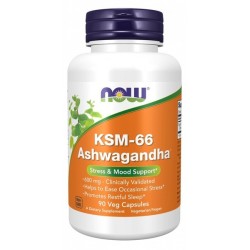
* Supports emotional balance
* Increases stress resistance
* Supports nervous system health
Organic Superfoods and Plant Powders
A teaspoon of green powder turns porridge deep green before you finish stirring, and that colour is what most people notice first about superfoods. Our shelf covers plant powders sold by the jar, mushroom extracts measured in drops and blends meant for a daily spoonful. What is left to decide is the format, the base you mix it into and how fast a jar gets used up. Take those in order and you will know which jar to open first!
Plant powders: spirulina, chlorella and maca
Spirulina is the plant powder we keep in this category, and it arrives from KIKI Health as a 200 g jar of pure powder. The colour is a deep blue-green that carries into whatever you stir it through. The flavour sits on the savoury side, closer to seaweed than to fruit. Begin with a small spoon and build up, because the taste hides better in a thick base than in a glass of water.
Chlorella and maca are the two powders most often confused with it, and neither behaves the same way. Chlorella is a green algae with a grassier taste, while maca is a root ground to a fine, malty flour. Knowing which of the three a recipe means saves you from buying a flavour you did not expect.
We keep one jar per plant rather than four versions of the same powder, so the choice here is between ingredients, not between labels. Certified stock is gathered brand by brand across our organic products range. Dary Natury, Bio Planet and Alce Nero sit next to one another there.
Mushroom extracts in drops and powder
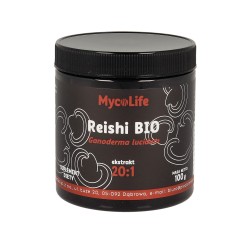
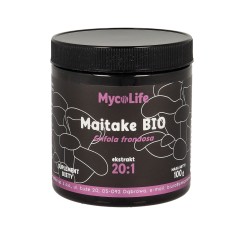
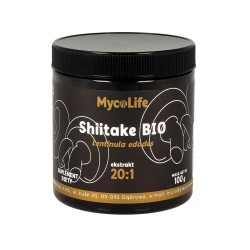
Our mushroom extracts come as drops. All three are made by Allnutrition: Reishi Drops, Maitake Drops and Shiitake Drops, each 300 mg in a 30 ml bottle. A dropper gives you the same measured amount every time, which is the practical difference from a powder levelled off with a spoon. The taste is earthy and fades fastest in something warm, so tea suits it better than cold water.
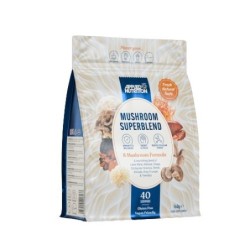
Mushroom powder is the other format on the market, weighed by the spoon rather than counted in drops. The choice comes down to how you like to measure. If drops are not what you want on the shelf, capsules, powders, drops and shots sit side by side in our food supplements range. It runs to a few hundred items.
Adding superfood powders to food and drinks
A superfood powder goes in once the pan is off the heat, because long cooking dulls both the colour and the flavour. Porridge, yoghurt and smoothies take a spoonful without much argument, and a thick base carries the taste better than water. Half a teaspoon is a sensible first attempt, stirred into a portion you were going to eat anyway.
Juice is the easiest base when you want the powder gone in one glass. The NFC juices on our shelves are pressed without added sugar, so they work as a mixing liquid rather than as a second flavour to manage. Vegetable pressings from our healthy juice range take green powders particularly well, while fruit juice softens anything with a savoury edge.
Storing plant powders after opening
Once a jar is open, moisture is what ruins it: dry cupboard, lid back straight away, completely dry spoon. Clumping is the first sign that a wet spoon has been in there, and the colour dulls soon after. Kept away from the hob and out of direct light, a 200 g jar stays usable through months of daily spoonfuls.
Drops last better than powders. Even so, screw the cap tight and stand the bottle in a cool cupboard rather than on a sunny windowsill. Whatever the format, follow the best before date and the storage line printed on the pack, because recipes and packaging change between batches. Match the pack size to how often you will actually reach for it, and the jar will be empty long before that date matters.