


 SAME DAY DISPATCH; ORDER BY 2PM
 SECURE PAYMENT
  4.8/5 RATING
* From whole semolina grain
* Traditional recipe
* Certified BIO product

* Springy texture after cooking
* Wholemeal flatbread
* BIO certified

- -13%
- Bestseller
- O
* From whole semolina grain
* Traditional recipe
* Certified BIO product
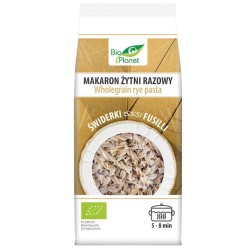
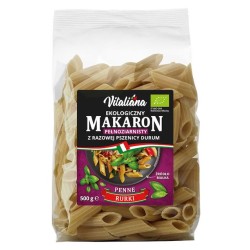
* Organic product
* Made from whole grain
* Supports a healthy diet
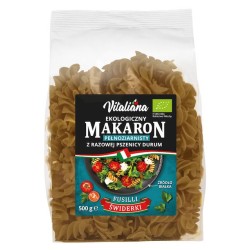
* Organic product
* Source of vegetable protein
* Blends well with sauces
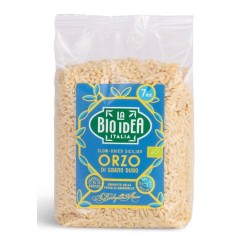
* Perfect rice-like texture
* Quick to prepare
* Certified BIO product
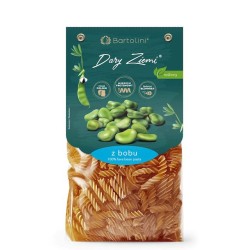

- Bestseller
* Perfect rice-like texture
* Quick to prepare
* Certified BIO product
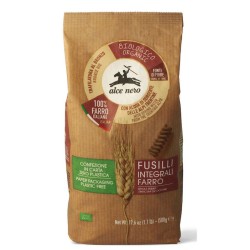
- Bestseller
- V
* Organic product.
* High protein content
* Source of iron and magnesium.
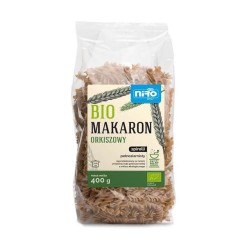
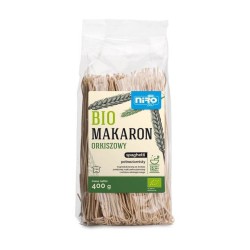
- Out-of-Stock
* Intense golden color thanks to turmeric
* Black pepper increases the absorption of curcumin
* Certified BIO product
Whole grain pasta
Swap white pasta for whole grain and the plate changes: a firmer, nuttier bite, a darker colour and more fibre. Our whole grain pasta range gathers spaghetti, penne, fusilli and spelt, from everyday packs to organic options. Explore the range and pick the shape your favourite sauce calls for!
Why choose whole grain pasta
Keeping the whole grain means keeping the bran and germ that white pasta strips away, and that is where the extra fibre and nuttier flavour come from. It puts more of the grain on your plate and cooks much like white pasta, just a minute or two longer.
Browse whole grain pasta by shape
Shape decides how well a sauce clings, so it is worth matching the pasta to what you cook most.
Whole grain spaghetti
The everyday all-rounder is spaghetti: long, thin strands that suit light, glossy sauces like tomato, garlic and olive oil or pesto. Whole grain spaghetti holds a firmer bite than the white kind, so give it a shorter time in the pan to stay al dente.
Whole grain penne & fusilli
Penne and fusilli are the shapes for chunky, clingy sauces. Their ridges and spirals hold roasted vegetables, thick tomato and meat sauces. Whole grain penne brings the same depth in a sturdier form; for a coeliac diet, our gluten free pasta covers these shapes without the gluten.
Spelt & wholemeal pasta
These sit at the rustic end of the range. Spelt pasta comes from an ancient wheat with a mellow, nutty flavour, and because spelt is a wheat it is not a gluten-free choice. Wholemeal pasta uses the whole wheat grain, with an earthier taste and a firm chew.
Whole grain vs white pasta – what changes
The change is what stays in the grain: the whole grain kind keeps the bran and germ that white pasta loses, where most of the fibre and flavour sit. On the plate that means a darker colour, what some call brown pasta, plus a firmer bite and a slightly longer cooking time.
It will not automatically lower the glycaemic index, which varies by shape and cooking. Every serving still delivers more fibre from the grain. The same thinking runs through breakfast, where our low sugar cereal keeps the fibre up and the sugar down.
How to cook whole grain pasta so it tastes great
The trick is to lean into the firmer, springier bite rather than boiling it soft. Use a big pan of well-salted water so the strands cook evenly and do not clump, then taste a strand a minute early and drain while it still has bite.
Save a splash of the starchy cooking water to help the sauce cling to each piece, and match the shape to bold flavours such as robust sauces, olive oil and roasted vegetables. Cooked this way, it holds its own against any white bowl, and that same care carries through to the puffed grains we keep for baking and breakfasts.
Frequently asked questions about whole grain pasta
Is whole grain pasta better than white pasta?
It depends on the dish. Whole grain pasta brings more fibre and a nuttier bite; white pasta stays softer under delicate sauces, so many keep both.
Does whole grain pasta have more fibre?
It does, and by a clear margin compared with white pasta, gram for gram. A pack labelled source of fibre meets the legal minimum of 3 g per 100 g, while high fibre means at least 6 g per 100 g, so check the nutrition panel for the exact amount in your pack.
How long do you cook whole grain pasta?
Most packs are ready in around 8 to 12 minutes, though thinner shapes cook faster and thicker ones take longer, so the time printed on your pack is the one to trust. It also keeps a little more bite as it cools, so cook nearer the shorter end for a cold pasta salad.
Do you offer organic whole grain pasta?
We do. Our range carries organic whole grain pasta beside standard packs, but only where a product is certified, so look for the organic or BIO mark.