


 SAME DAY DISPATCH; ORDER BY 2PM
 SECURE PAYMENT
  4.8/5 RATING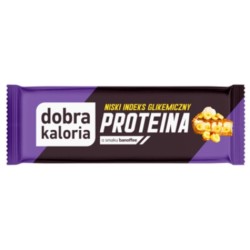
- V
- SF
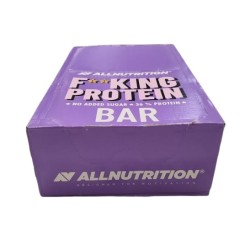
* no added sugar
* combination of protein and fiber
* convenient "on the go" format
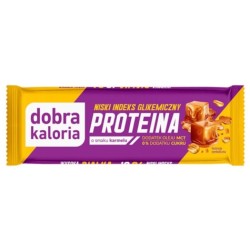
- V
- SF
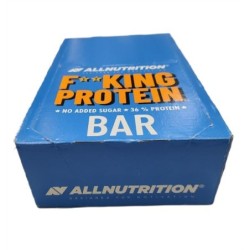
* no added sugar
* combination of protein and fiber
* convenient "on the go" format
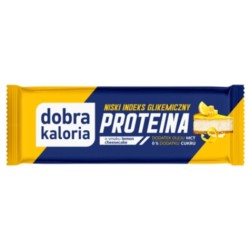
- V
- SF
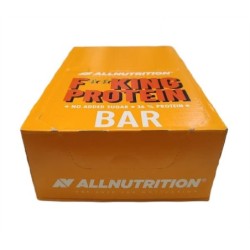
* no added sugar
* inspired by the taste of cheesecake
* convenient "on the go" format
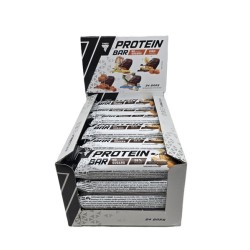
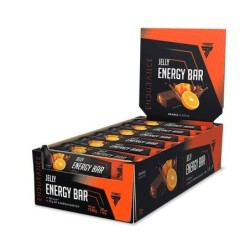

- SF
* High protein content
* Ideal after training
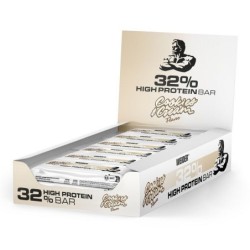
* Intense cookie and caramel flavor
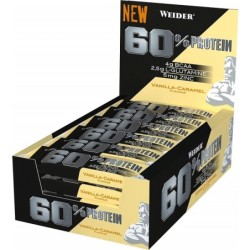
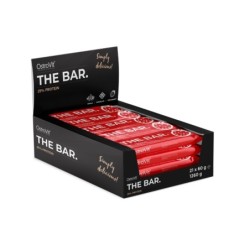
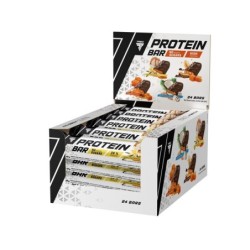
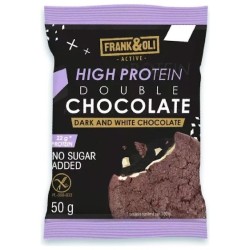
- Bestseller
- GF
- SF
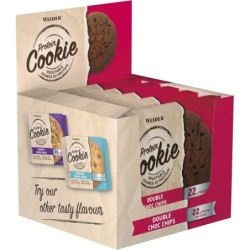
* High-protein
* Ideal after training
* Flavorful and nutritious
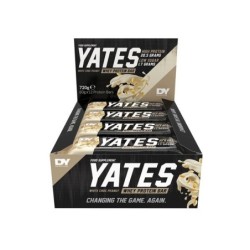
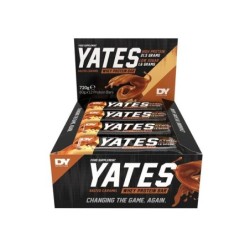
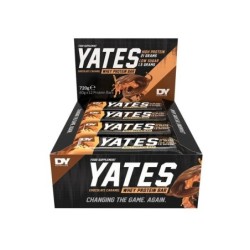
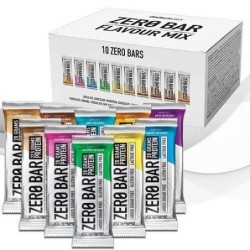
* Rich in Fiber
* Convenient & Portable
* No Added Sugars
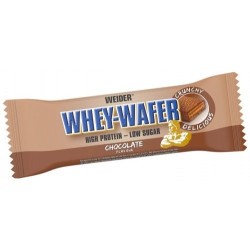
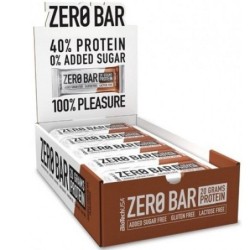
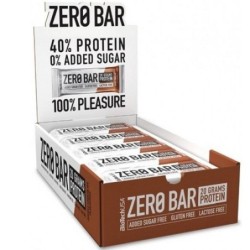
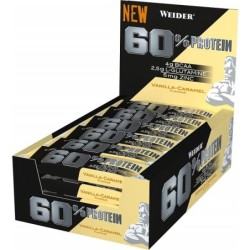
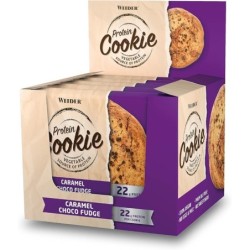

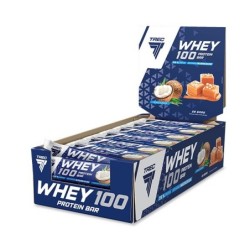

- Out-of-Stock
- SF
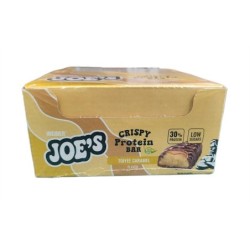
* Practical takeaway snack
* Crunchy texture
* High protein content
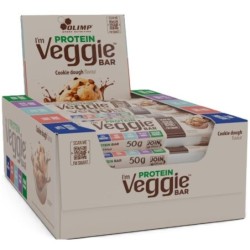
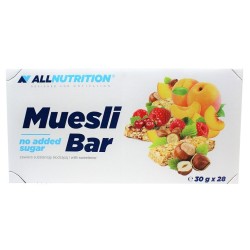
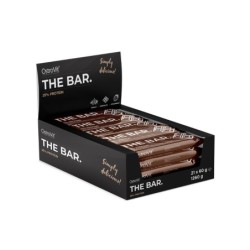
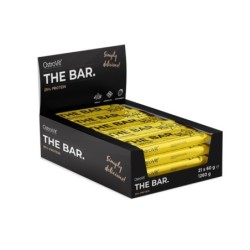
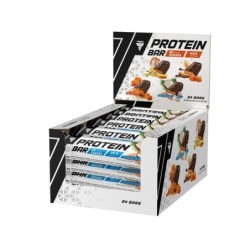
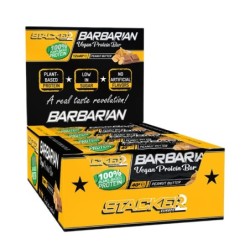
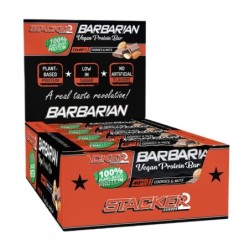
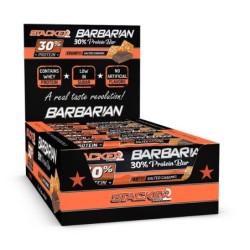
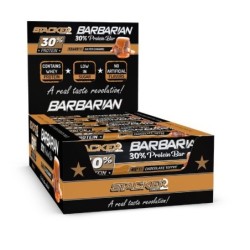
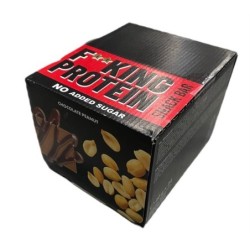

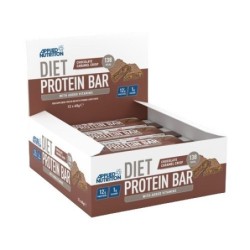
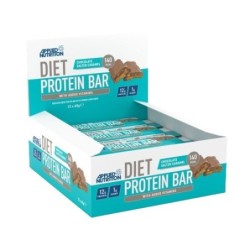
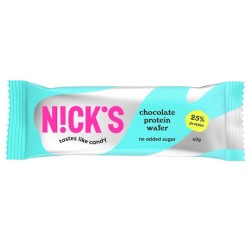
- Out-of-Stock
- SF
* High protein content
* Ideal after training
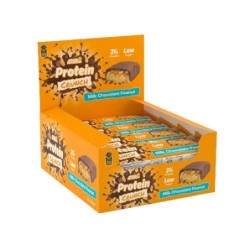
* Intense chocolate
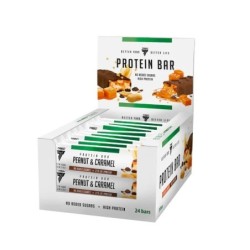
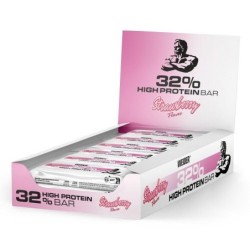
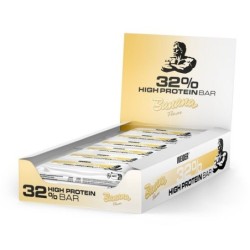
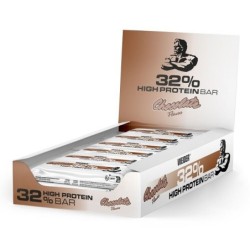
Protein bars
A protein bar packs proper protein into a snack you eat one-handed, so it lives in gym bags, desk drawers and glove boxes. We stock whey and plant-based protein bars side by side – high-protein, low-sugar and vegan – so the one you grab matches your goal, not the wrapper. Protein runs from token to serious, sugar from barely-there to dessert. Pack the right one and skip that guesswork for good!
What to look for in a good protein bar
Turn a protein bar over and the numbers that matter are on the label. Five things are worth comparing before you buy: protein per bar, the grams on the panel rather than the hype on the front; sugar per 100 g, where 5 g or less earns a “low sugar” label and 0.5 g or less counts as “sugar-free”; protein source, whey or casein for dairy bars, soy, pea or rice for plant-based ones; fibre and sweeteners, since bars that cut sugar with polyols carry a laxative-effect note above 10%; and allergen and diet labels, as vegan, gluten-free and “may contain” lines vary bar to bar.
The word “high-protein” is literal: a bar earns it only when protein supplies at least 20% of its energy, so trust the panel, not the front.
Browse protein bars by need
Our protein bars split by what you are shopping for, so start from the need and let the label confirm the rest.
High-protein, low-sugar bars
High-protein, low-sugar bars are for shoppers who want protein to lead and sugar to stay down. That means “high-protein” only where protein makes up at least a fifth of the energy, paired with 5 g of sugar or less per 100 g for the “low sugar” label. Many reach that figure with sweeteners, so read both numbers on the panel.
Vegan protein bars
Vegan bars swap whey and casein for plant proteins such as soy, pea or rice. Remember that vegan is a dietary choice, not an allergen guarantee, so a bar can still read “may contain milk” if it shares a line. Our plant-based options sit in the wider healthy bars range, ready to compare against whey.
Protein bars vs a mass gainer – when to use which
Protein bars and mass gainers answer different needs, so the choice is about format and calories. A protein bar is a compact, protein-led snack, easy to eat between meals. A mass gainer is a high-calorie powder that blends carbohydrate with protein, for plans that need calories food alone struggles to cover. Reach for a bar when you want protein in a pocket-sized format, and a mass gainer when you want a higher-calorie shake in your plan.
When to eat a protein bar
There is no single right time – a bar works whenever it fits your day: between meals, after training, at your desk, or travelling when a full meal is out of reach. Timing matters far less than the total protein you eat across the day, so treat a bar as a convenient top-up, not a fixed ritual.
These bars also sit alongside our wider snack range. When you want something lighter to carry you between meals, our healthy snacks cover the same grab-and-go moments without the protein hit. Pick the option that keeps you consistent, and a bar earns its place.
Frequently asked questions about protein bars
How much protein should a good bar have?
There is no legal minimum, so read the grams per bar rather than a headline claim. Sports-style bars often sit around 20 g of protein per serving, but the right amount depends on your whole day, not one snack.
Which protein bars are low in sugar?
Only bars at 5 g of sugar or less per 100 g may be labelled “low sugar”, and 0.5 g or less “sugar-free”. Below that, a bar is better called lower in sugar than a comparison product, not low sugar outright.
Do you sell vegan protein bars?
Yes – vegan bars carry a V label on the listing, so they are easy to spot as you browse. The product page also lists the protein source and full ingredients, since that varies more bar to bar than the badge alone shows.
Can I eat a protein bar as a meal replacement?
A protein bar works best as a convenient snack or top-up, not a routine stand-in for meals. A standard bar is not automatically a complete meal – it can cover you in a pinch, but will not match a varied plate for fibre and micronutrients.