


 SAME DAY DISPATCH; ORDER BY 2PM
 SECURE PAYMENT
  4.8/5 RATING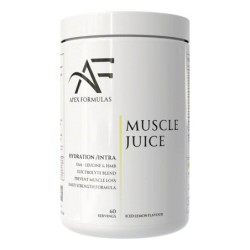

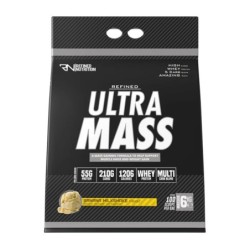
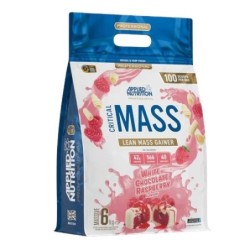
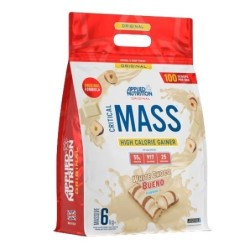
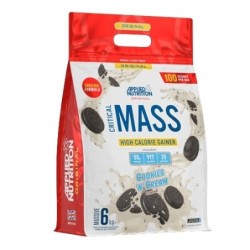
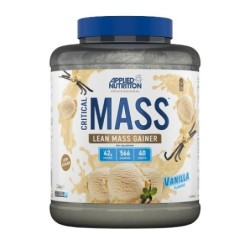
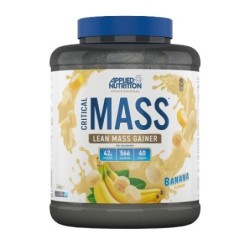
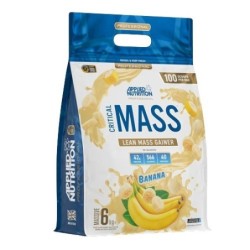
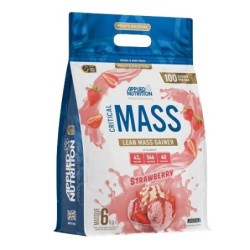
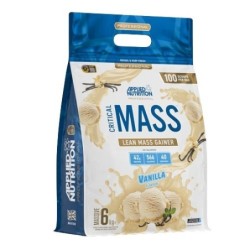
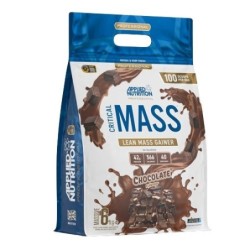
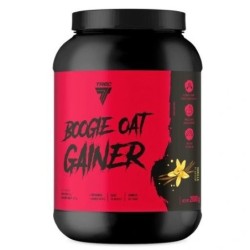

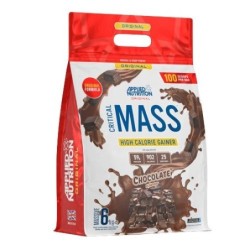
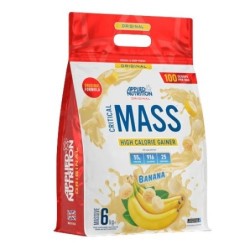
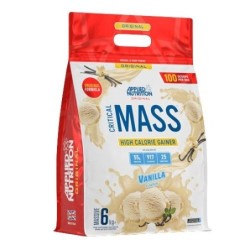
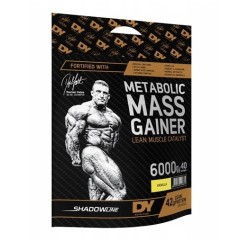
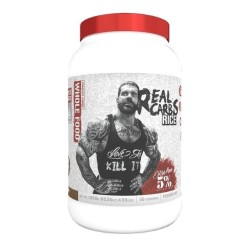
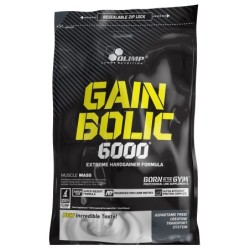
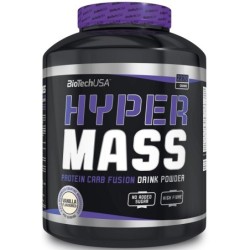
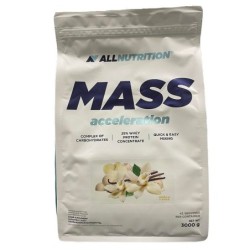
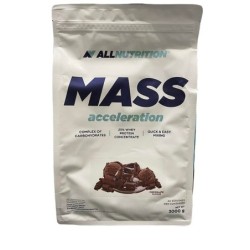
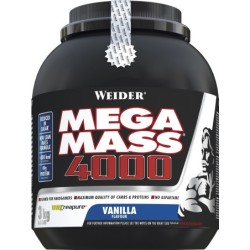

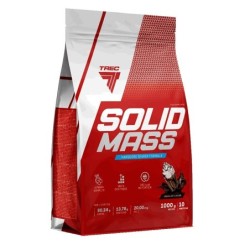
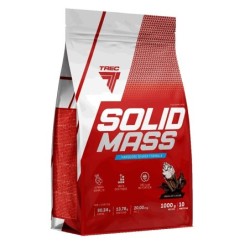
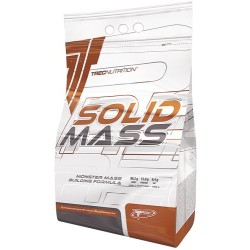
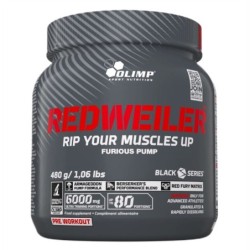
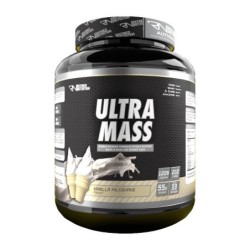
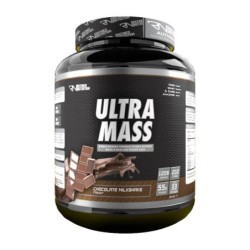
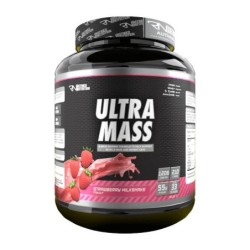


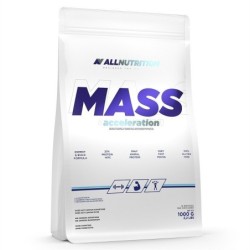
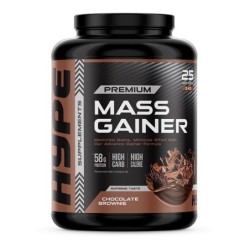
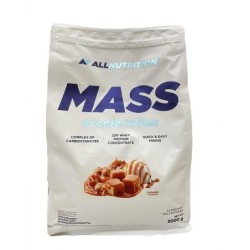
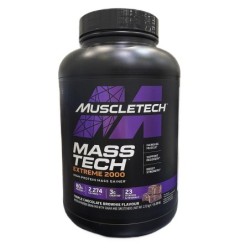
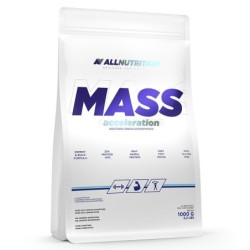
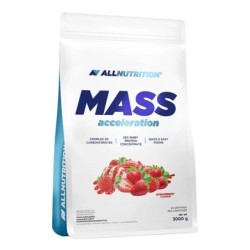
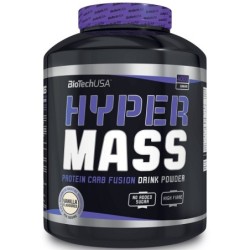

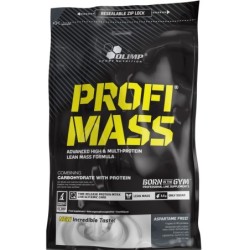
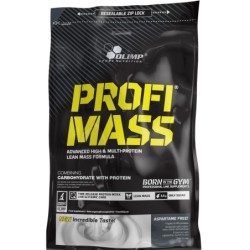
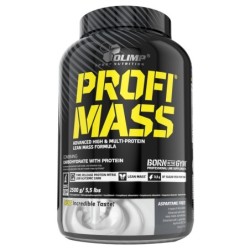
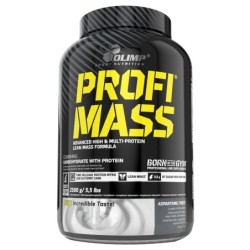
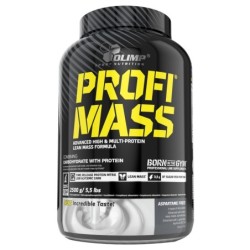
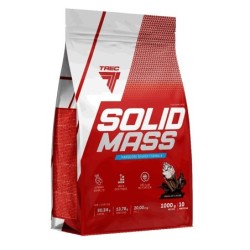
Mass gainer & weight gainer
Putting away enough calories is the hard part of any gaining phase, and that is the gap a mass gainer fills. In our range you'll find high-calorie powders that combine carbohydrates and protein, so one shake adds convenient calories, protein and carbs to your daily intake. We stock powder and higher-protein options, so you can match the macros to your plan. Fuel your gaining phase with a formula that fits your targets!
What a mass gainer is and who it's for
A mass gainer is a high-calorie powder that pairs carbohydrate with a protein blend, for people who find it hard to eat enough in a gaining phase. It suits hard trainers, anyone on a bulking phase, and people who cannot hit their calorie targets from food alone. A weight gainer covers the same ground – on UK shelves the two names mean the same thing.
Browse gainers by format
Gainers come in a few clear formats, and the right one depends on how you take them and how much protein is in the mix.
Powder mass gainers
Sold as a weight gainer or simply a gainer, powder is the classic high-calorie gainer format. You set the serving yourself – a full scoop for a big surplus, a half scoop to top up a meal. In our range you'll find powder gainers from brands such as Allnutrition, BioTechUSA and Olimp Nutrition.
High-protein gainers
High-protein gainers shift the balance towards protein, with a smaller carbohydrate share than a classic formula. Under UK rules a product can be labelled high protein only when at least 20% of its energy comes from protein, so read the panel rather than the front. When you want protein to carry between shakes, our protein bars sit alongside these gainers.
How to read a gainer label (calories, protein, carbs, sugar)
Four numbers decide whether a gainer fits your plan: calories, protein, carbohydrate and sugar. Read them per serving and per 100 g, since scoops vary hugely between brands. Calories are the headline figure – a big scoop can run to several hundred kcal, so match it to your surplus. Protein is grams per serving plus its share of energy, carbohydrate is usually the bulk and often carries added sugars, and for sugar itself, check the “of which sugars” line and trust “low sugar” only once the label meets that threshold.
Diet and allergen labels matter too: check for milk, soya, gluten and nuts, and any vegan or gluten-free mark. For a lighter way to add protein between shakes, our healthy bars follow the same label logic.
Using a gainer as part of your daily intake
A gainer works best as a top-up to real meals, not a replacement. Slot it between meals or after training. Because one shake carries a big slice of your daily energy, count it inside your calorie and macro targets, not on top of them. When you would rather build some of those calories from whole foods, our whole grain pasta adds slow-release carbs around training. Stock your shelf with a gainer that matches your plan, and let your training do the rest.
Frequently asked questions about mass gainers
What is the difference between a mass gainer and whey protein?
A mass gainer is calorie-focused, pairing protein with a much larger carbohydrate and energy load, while whey is mostly protein. Reach for a gainer when your struggle is total calories, and whey when you only need more protein.
How many calories are in one serving?
It depends on the product and scoop size, so two gainers can differ by hundreds of calories per serving. Match servings by weight when you compare products, not by scoop count, since scoops are not standardised.
When should I take a mass gainer?
There is no magic window – a gainer counts towards your daily calorie and protein totals whenever you take it. Fit it around your routine, and split a heavy shake if it sits badly before bed.
Do gainers contain a lot of sugar?
It varies, because the sugar in a gainer is a formulation choice. Some use added sugars for cheap calories, others starches, so weigh it against your whole day and check where sugar sits on the ingredients list – higher up means more of it.