

 SAME DAY DISPATCH; ORDER BY 2PM
 SECURE PAYMENT
  4.8/5 RATING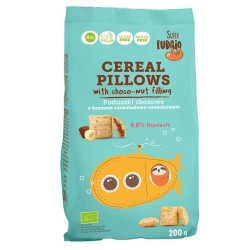
Chocolate Cereal Without the Sugar Rush
A child at this shelf wants chocolate cereal and the adult turns the box over to read the ingredients, and the sugar figures settle it – one box here has 15 g of sugars per 100 g, another 29 g. Cocoa pillows with nut cream, chocolate cornflakes and cocoa cereal balls sit here in organic versions, some of them gluten-free. At 4ecoshop the V, GF, SF and BIO badges show on the listing, so you can tell those versions apart before opening a product card. Read on to see which box suits your morning!
What is in organic chocolate cereal?
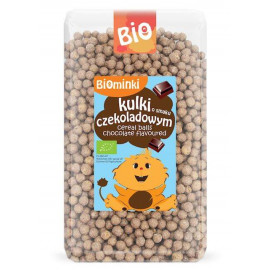
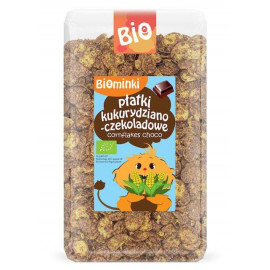
Every organic chocolate cereal here is built from a cereal flour, a sugar and cocoa, and the differences begin with which flour and which sugar the maker chose. Biominki build their cocoa balls on rice, wheat and maize flour, with cane sugar, rice syrup and 7% cocoa. Super Fudgio start from rice flour and maize grits, and the cocoa goes into the filling instead of the shell.
Protein sits between 5.0 and 8.6 g per 100 g across these boxes, and the Biominki choco cornflakes reach 6.8 g of fibre per 100 g, enough for a high fibre claim. Allergens are a per-box matter as well, since the filled pillows declare peanuts, soya and milk.
Cocoa pillows with nut cream filling
Forty per cent of a Super Fudgio pillow is filling: chocolate and nut cream with hazelnut paste at 12%, cocoa butter and cocoa. The shell is rice flour and maize grits, and these cocoa pillows are organic, vegan and gluten-free. Their 29 g of sugars per 100 g come from coconut sugar in the shell and cane sugar in the cream.
A smaller figure with cocoa still in the bowl sits on our low-sugar cereal shelf, which works from other grains, including buckwheat and spelt balls with cocoa from Helpa.
Is there chocolate cereal without added sugar?
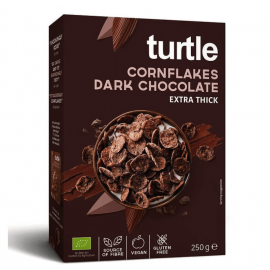
Every chocolate box on this shelf lists a sugar in its ingredients, and the real difference is how much. The Turtle cornflakes stop at 15.1 g per 100 g, the Biominki balls sit at 25 g and the filled pillows at 29 g. Two nutrition panels read side by side answer this faster than two names from the front of a pack. One of those names says “No Sugar” on a box with coconut and cane sugar in it.
The version genuinely made without added sugar is the cinnamon one: Super Fudgio pillows with a chocolate and cinnamon cream, sweetened with erythritol. That box holds 0.9 g of sugars and 12 g of polyols per 100 g, and it stands on our gluten-free shelf rather than this one. The cocoa itself, without a breakfast box, sits in our healthy chocolate range: dark bars between 70% and 99%, milk and white, from Torras, Cocoa and Meybona.
Gluten-free chocolate cornflakes
Turtle make the gluten-free chocolate cereal in this format: organic flakes from Belgium, 60% cereal coated with 40% dark chocolate on unrefined cane sugar. The panel gives 8.6 g of protein and 1.4 g of salt per 100 g. The Super Fudgio pillows are gluten-free too, so both formats stay open when wheat is off the table.
The Biominki cocoa balls are the box to check, because their flour mix includes wheat. The GF badge sits next to the product name on our listing, and our gluten-free cereal shelf keeps the same Turtle cornflakes and Super Fudgio pillows, so a wheat-free breakfast comes down to that pair. Pick whichever of those two formats you like in the bowl.
Serving chocolate cereal at breakfast
Milk, a plant drink or thick yoghurt all work, and the cornflakes hold their bite longer than the filled pillows, which soften faster. Cereal for kids is usually served plain in a bowl, though the balls also crush well over a dessert or stir into yoghurt with fruit. We keep organic recipes on this shelf, each with its flour named in the ingredients and cocoa or chocolate as a real part of the box.