


 SAME DAY DISPATCH; ORDER BY 2PM
 SECURE PAYMENT
  4.8/5 RATING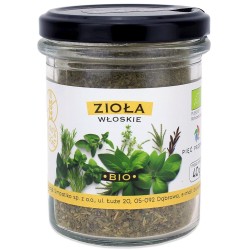
- V
- GF
* universal use in the kitchen
* certified BIO product
* gluten-free
- Bestseller
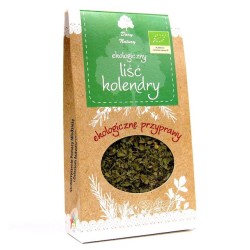
* Naturally dried for full flavor
* Ideal for Asian cuisine
* BIO certified
- Bestseller
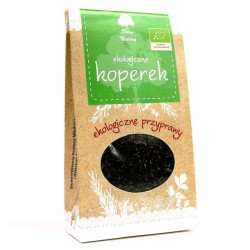
* Aromatic addition to dishes
* Heat resistant
* BIO certified
- Bestseller
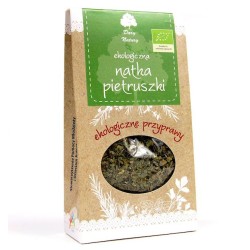
* Enhances the flavor of salads
* Ideal for soups and sauces
* BIO certified
Organic Dried Culinary Herbs
Dried herbs go in early with the liquid, fresh ones at the end – swap the two moments and the oregano tastes of nothing. Our range of culinary herbs follows that rule: an Italian blend plus single-leaf herbs that hold aroma through a long simmer. Below you will find how much dried herb replaces fresh and how to keep the jar smelling of something. Start here before the next pan goes on the hob!
Dried versus fresh herbs in cooking
As a rule of thumb, one teaspoon of dried herb replaces a tablespoon of fresh. Drying removes the water and packs the aroma into a third of the volume. Dried leaves need heat, liquid or a little oil to open up. That is why they go in with the onions or the tomatoes, not at the end when the cooking is done. Fresh parsley stirred in at the very end works the other way round and keeps its colour.
The same rule applies when the base comes ready-made. A jar of passata, pesto or mustard from our healthy sauces brings the acidity and the salt. Dried oregano warmed in that base for five minutes adds the herbal note it lacks, and the sauce tastes cooked rather than assembled.
Herbs for pasta, soups and roasted vegetables
Start with half a teaspoon of dried herb for two portions and taste before you add more. The Italian herbs blend suits tomato sauces and trays of roasted vegetables, where it has the whole cooking time to work. Dried dill belongs with potatoes, carrots and yoghurt dressings. Dried parsley finishes broths and barley soups, while dried coriander leaf suits lentils and mild curries.
Wholegrain pasta changes the amounts. Spelt, emmer and legume shapes from our whole grain pasta carry a nutty flavour of their own. Herbs for pasta made from those grains need a slightly heavier hand than with white shapes. Toss the drained pasta with oil first and the leaves stick to the strands instead of the bottom of the bowl.
Storing dried herbs and keeping the aroma
Aroma leaves the jar through light, heat and steam. Keep the jars closed in a dark cupboard, never on a shelf above the cooker or beside a window. The worst habit is shaking the packet straight over a simmering pot: the steam goes up into it and the leaves clump within days. Tip out what you need into your palm or a spoon, then add it to the pan.
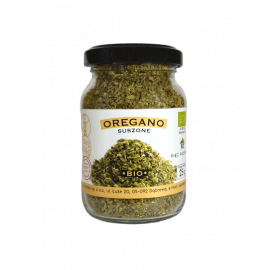
Whole leaves hold aroma longer than anything ground, so crush the herb between your fingers as it goes into the pan. A 25 g jar of oregano lasts months in a kitchen that makes tomato sauce once a week, while the 40 g Italian blend runs out faster. This is a five-jar shelf, not a spice aisle – an Italian blend plus single leaves, chosen to cover the pans most people actually put on.
Shelf life of dried herbs
Dried herbs do not spoil, they fade. Most keep a clear aroma for about a year after opening, and the date on the pack marks the outer limit. Rub a pinch between your fingers before you cook: if nothing rises, use more or start a new jar. Faded leaves still colour a dish, so the seasoning has to come from elsewhere. Salt and herbs work at different moments, and the coarse and fine grades on our healthy salts shelf season the water and the base.