


 SAME DAY DISPATCH; ORDER BY 2PM
 SECURE PAYMENT
  4.8/5 RATING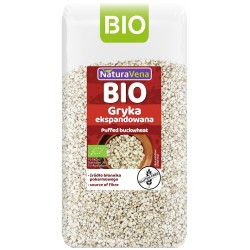
- V
- GF
- O
* BIO certified product
* low-processed product
* convenient snack form

- Bestseller
* Ideal for yogurts
* Lightly digestible
* Vegan product

- Bestseller
- V
* Helps regulate cholesterol levels.
* Easy to add to meals.
* Perfect for vegetarians and vegans.
- Bestseller
- V
- SF
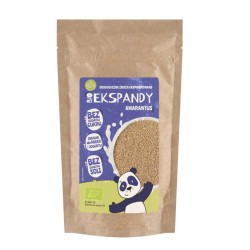
Organic Expanded Amaranth 100g Helpa, the great power of small seeds, no sugar, gluten-free .
- Out-of-Stock
- Bestseller
* Source of energy for the whole day
* Supports a diet rich in fiber
* Excellent base for bars
Puffed grains
A puffed grain is mostly air and crunch, and our puffed grains range keeps it that way: plain wheat, rice, buckwheat, millet and amaranth with nothing added to sweeten them. Because they arrive unsweetened, you decide how sweet breakfast gets. Reach for a bag and build a lower-sugar bowl your way!
What are puffed grains and how to use them
Puffed grains are wholegrains and pseudocereals expanded under heat and pressure into a light, crisp shape. Wheat, rice, millet and barley are cereals; buckwheat and amaranth are pseudocereals that puff into tiny seeds. Plain versions are just the grain, with no sugar, salt or oil added.
That plainness is what makes them flexible. Spoon them over yoghurt, or stir them into home granola and trail mixes. Their mild flavour takes on whatever you add.
Browse puffed grain by type
Each type brings a different size, flavour and gluten status, so it helps to know them apart.
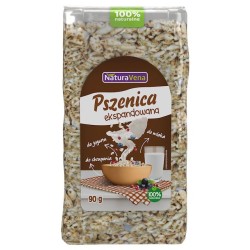
Puffed wheat
Puffed wheat is the classic of the shelf: whole wheat grains puffed into airy nuggets with a gentle, biscuity flavour. It is the base most people picture as puffed wheat cereal. As a wheat product it contains gluten, so it is not one for a gluten-free diet.
Puffed rice
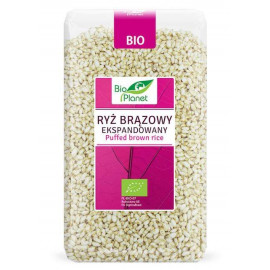
Puffed rice is the lightest and mildest option, with a fine, crisp bite. Plain puffed rice is one of the simplest low sugar cereal choices when you want a neutral base without syrups. Made from rice, it is naturally free from gluten, though a strict gluten-free diet still needs a pack labelled as such.
Puffed amaranth & ancient grains (buckwheat, millet, barley)
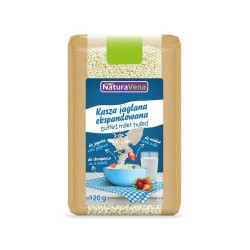
Amaranth, buckwheat and millet sit at the wholefood end of the range. Amaranth is a tiny pseudocereal that puffs into poppy-seed-sized crunch and is naturally gluten-free, a handy topping when the pack confirms it. Buckwheat and millet bring earthier, nutty notes and are naturally gluten-free too, while puffed barley is a cereal that still contains gluten.
Puffed grain for a no-added-sugar breakfast
These plain grains carry no added sugar of their own, which makes them a simple base for a no-added-sugar breakfast. Build the bowl yourself: the grain for crunch, then fruit and plain yoghurt for sweetness. That way the only sugars are the ones you choose to add. For more fibre, pick a wholegrain puffed option. If you also avoid gluten, our gluten free cereal range offers labelled alternatives.
Snack and baking ideas with puffed grain
Away from breakfast, puffed grains are a quick route to no-bake snacks: melt a little dark chocolate, stir through a few handfuls and chill in a tin into bars. They also add crunch to flapjacks and yoghurt pots without the sugar coating of many boxed puffed cereals. If you are stocking a wholegrain store cupboard, they sit beside staples like oats and whole grain pasta. Pick the wheat, rice, buckwheat, millet or amaranth that suits your recipe.
Frequently asked questions about puffed grains
Are puffed grains healthy?
They can be a plain, light cereal base, but whether a pack is healthy comes down to the label: added sugar and salt, the fibre it keeps and your portion size. Choose wholegrain versions where you can, and read the ingredients list.
Do puffed wheat and puffed rice contain added sugar?
Plain puffed wheat and rice carry no added sugar, but sweetened or frosted versions on the same shelf usually do. Check the “of which sugars” line on the nutrition label rather than trusting the front-of-pack claim alone.
Are any puffed grains gluten free?
Puffed rice, buckwheat, millet and amaranth are naturally gluten-free, while puffed wheat and puffed barley are not, since wheat and barley contain gluten. If you are coeliac, choose the gluten-free grains in packs clearly labelled gluten-free, as shared equipment can cause cross-contamination.
How do I keep puffed grains crunchy after opening?
Tip the grains into an airtight container as soon as you open them. They lose crunch when they take in moisture, so keep them cool and dry, away from the steam of a kettle or hob.