


 SAME DAY DISPATCH; ORDER BY 2PM
 SECURE PAYMENT
  4.8/5 RATING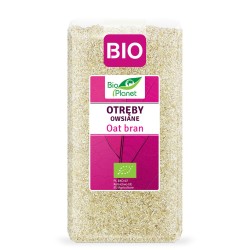
- V
- O
* BIO product
* natural cereal product
* suitable for daily diet
- V
- SF
* suitable for vegans
* improves the texture of dishes
* for baked goods and desserts
* Source of dietary fiber
* Ideal for coating
* Certified BIO product
- Out-of-Stock
- V
- K
* suitable for vegans
* improves texture of dishes
* for KETO Low Carb diets
Fibre Supplements and Psyllium Husk
A spoonful of psyllium husk left in water sets into a soft gel within minutes, while the same spoonful of finely milled acacia only thickens it. That difference runs through our whole fibre shelf: flaky husks and capsules on one side, powders milled from oats, buckwheat, potato and cocoa on the other. Read on, and match the form of fibre to the way you actually cook and eat!
Types of fibre available in the range
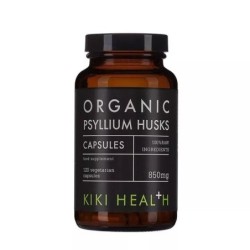
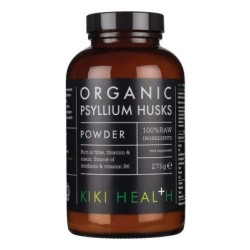
Three physical forms sit here, and each one meets liquid differently. The flakiest are the husks: KIKI Health sells them loose in a 275 g pack and as 120 vegetarian capsules, so one raw material serves both the mixing bowl and the suitcase.
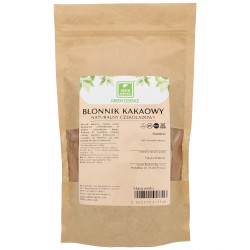
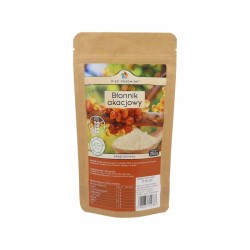
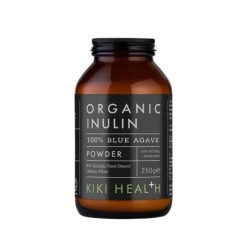
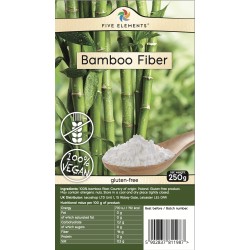
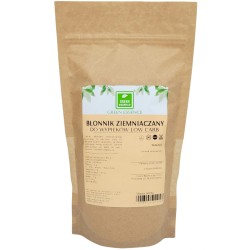
Next come the fine powders, milled until they disappear into a drink. Acacia fibre arrives in a 250 g pack, pale and neutral in taste. Bamboo fibre in the same size is equally light, and Green Essence adds potato fibre in that same format. Its cocoa fibre is the darkest powder on the shelf.
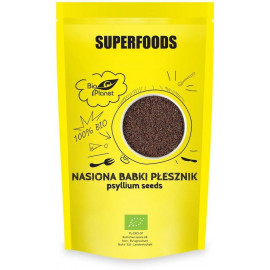
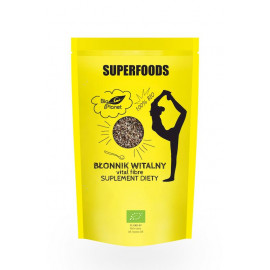
Oat bran sits at the coarse end, sold organic by Bio Planet in 300 g. One raw material, two formats, one supplier is the pattern that repeats here, which keeps the shelf short and the comparisons honest. Fibre also shares a section with the rest of our food supplements, which helps when protein or vitamins are going into the same order.
Psyllium husk in gluten-free baking
A fibre for baking has one of two jobs: it either gels or it only holds water. Psyllium husk belongs firmly to the first group. Stir it into the liquid first and give it five minutes. Added dry to flour, it takes up water unevenly and leaves lumps in the crumb.
Whole husks set slowly and give a springier, more open crumb, while ground husk hydrates faster and suits wet batters. Amounts stay a matter of kitchen practice, so follow your recipe and the directions on the pack.
Other fibres answer the second job. Bamboo fibre holds water without gelling, so it changes how moist a crumb feels rather than how it holds together. Potato fibre behaves in much the same way. Once you know which job you need filled, our gluten-free flour shelf supplies the base to match.
Oat bran and buckwheat fibre in the kitchen
Oat bran is the one you can cook. It softens in hot milk or water, thickens slowly and keeps a chewy bite, which is why it works in porridge and in the crumble scattered over a bake.
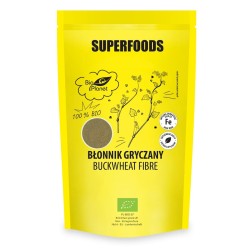
Buckwheat fibre works the other way round. It is a fine, dark powder in a 200 g pack, with a nutty edge that suits rye-style loaves, pancakes and dark bakes. It does not soften; it disperses, which makes it a small addition rather than a base. Both keep best sealed, dry and away from heat.
Adding fibre to porridge and smoothies
Timing matters more here than quantity. Psyllium husk keeps thickening in the glass, so blend it in last and drink it soon after.
A fine fibre powder such as acacia disperses without changing the texture much, which is the safer option if you dislike a thick drink. Oat bran belongs in the pan rather than the blender, since it needs heat and a few minutes. The oats and flakes underneath all this sit in our healthy cereal range, and a single 250 g pack of powder usually covers both the morning glass and the weekend bake.
That is also the simplest way to choose. Decide where you eat fibre rather than how much of it you want: loose husks at home, capsules when you are not. Both formats hold the same raw material.