

 SAME DAY DISPATCH; ORDER BY 2PM
 SECURE PAYMENT
  4.8/5 RATING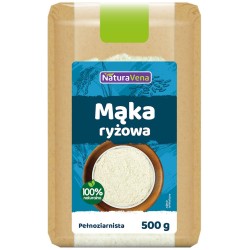
- V
* for daily cooking
* natural composition
* suitable for gluten-free cooking

- -80%
- Expiry date 23.07.2026
* Suitable for baked goods and cakes
* Certified BIO product
* Rich in dietary fiber
- Bestseller
* Finely ground texture
* BIO certified
- Bestseller
* Whole grain and rich in fiber
* Supports the balance of intestinal microflora
* Certified BIO product
- Out-of-Stock
- V
* Organic product.
* Rich in antioxidants.
* High protein content.
Organic Wholemeal Flour for Home Baking
Choosing between wholemeal wheat, rye type 2000 and einkorn decides how your loaf rises and how long it keeps – and that decision is what our whole grain range at 4ecoshop is built around. Next to everyday wholemeal flour you will find ancient grains that rarely reach British supermarket shelves, dark rye for sourdough and one gluten-free option. See which flour suits which loaf and how to keep it fresh once the bag is open!
Wholemeal flour for bread and everyday baking
Wholemeal means bran, germ and endosperm all reach the bag. The bran cuts through gluten strands and the flour takes up far more water, so a recipe tuned to white flour bakes dense and dry. Start with about a third wholemeal in the mix and rest the dough longer.
The whole shelf runs to seven items, which is a range you can read end to end before choosing, rather than a wall of near-identical bags. A 450 g pack of red wheat wholemeal suits occasional baking. The same whole grain logic runs through the healthy groats on our shelves, so one order covers bread and porridge.
Ancient grain flour: einkorn, emmer and heritage wheat
Einkorn and emmer are the oldest wheats still milled for baking, and they behave nothing like modern strong flour. Both contain gluten, but it is weaker and less elastic, so a dough made only from ancient grain flour spreads instead of climbing. They shine in flatbreads, pancakes and enriched doughs.
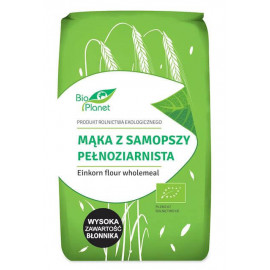
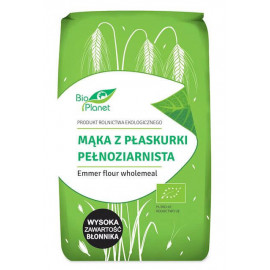
Einkorn flour comes in a 500 g pack from Bio Planet. Emmer flour sits beside it in the same size, and heritage wheat is milled into kilo bags, though stock moves, so check the listing before you plan the bake. The same grains appear as flakes in our healthy cereal section, an easier way to taste them first.
Rye flour type 2000 for sourdough bread
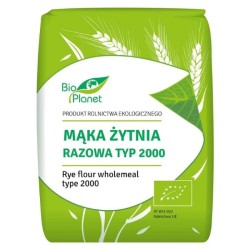
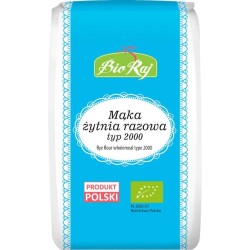
Type 2000 is a milling designation: it says how much ash is left after grinding, which at 2000 means effectively full wholemeal rye. Rye carries very little of the gluten that traps gas in a wheat loaf, so its structure comes from acidity, which is why rye flour type 2000 works with an active sourdough starter. Expect a wet dough that you scrape into a tin.
The crumb is dense and moist, and a rye loaf is usually better on the second day than straight from the oven. We stock wholemeal rye flour in kilo bags from Bio Planet and Bio Raj, the sensible size when you feed a starter weekly. For sandwich bread, cut it with strong wheat flour half and half.
Storing wholemeal flour at home
The bran and germ that make wholegrain flour worth buying also carry oils, and oils go rancid. An opened bag has weeks rather than months of good flavour, and a faintly bitter smell is the signal to replace it. Keep it cool, dark and sealed.
A 450 or 500 g bag fits one loaf a month, while kilo bags earn their place at a weekly rhythm. The freezer holds wholemeal in good shape for months, and the flour goes into the bowl straight from cold.
Gluten-free wholemeal flour in the range
Wholemeal rice flour is a gluten-free option in this range, sold in 500 g packs by NaturaVena. Everything else here contains gluten – wheat, rye, einkorn and emmer alike – so none of the flours above belong in a coeliac kitchen. Rice flour also will not stand in for wheat one-for-one, so it works in blends, with a binder, or in recipes written for it.
If you bake gluten-free as a rule, start in our gluten-free flour section, where the mixes and single flours are put together for that job. And if you simply want more fibre and flavour in a standard loaf, a third wholemeal in your usual recipe does most of the work.