

 SAME DAY DISPATCH; ORDER BY 2PM
 SECURE PAYMENT
  4.8/5 RATING
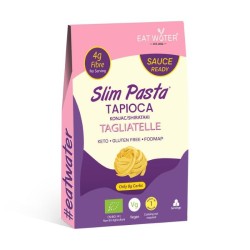
- V
- K
- GF
- O
* Low calorie
* Certified BIO product
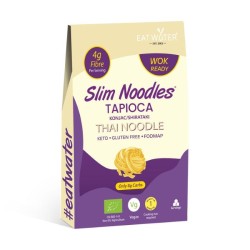
- V
- K
- GF
- O
* Gluten-free
* Low calorie
* Certified BIO product
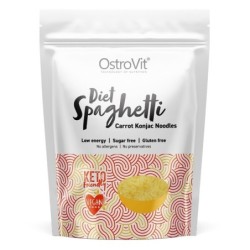
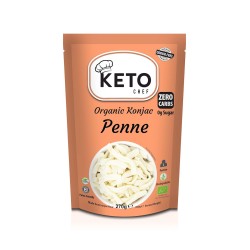
- V
- K
- O
* Low-calorie pasta
* Certified product
* Light and filling
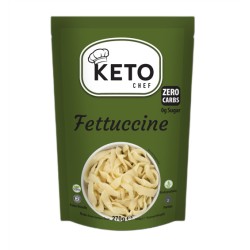
- V
- K
- O
* Low calorie pasta
* Certified product
* Suitable for keto diet
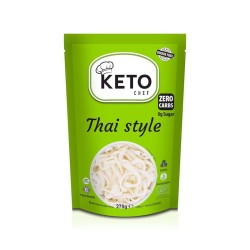
- V
- K
- O
* Neutral taste
* Delicate texture
* BIO product
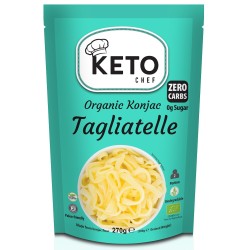
- Bestseller
- V
- K
- O
* Zero calories
* Certified product
* Zero carb
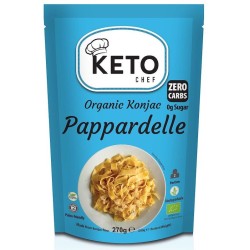
- Bestseller
- V
- K
- O
* Vegan composition
* Certified product
* Supports weight control
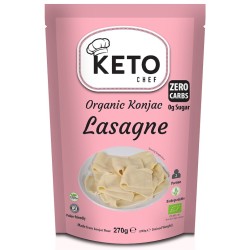
- Bestseller
- V
- K
- O
* Low calorie
* Ideal for keto diet
* Soft texture
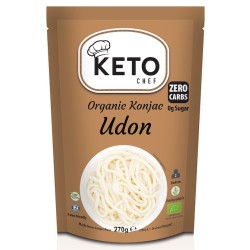
- Bestseller
- V
- K
- O
* Perfect for people monitoring their fat intake
* Suitable for vegans
* Supports the digestive system and the feeling of satiety
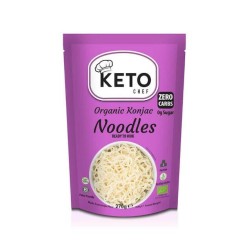
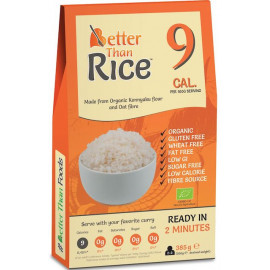
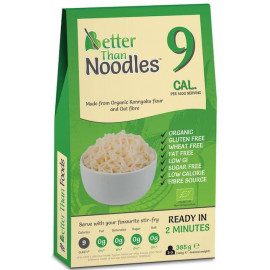
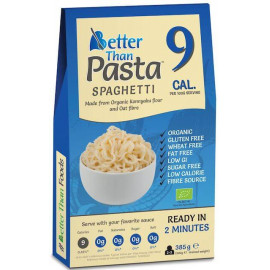
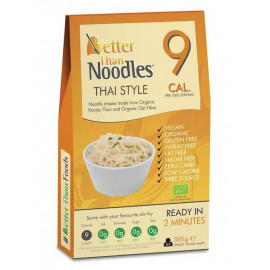
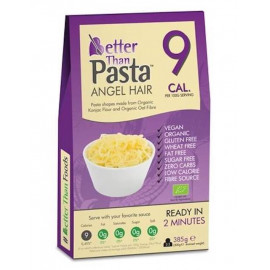
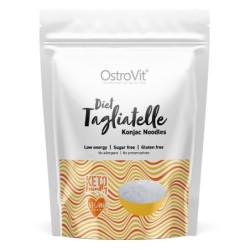
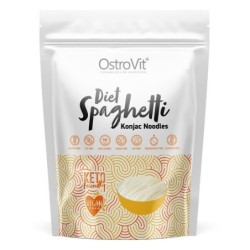
Konjac Pasta and Shirataki Noodles
Konjac pasta and shirataki noodles are two names for the same product, and at 4ecoshop they sit in one category. The noodle is konjac flour and water – the OstroVit pack lists water and konjac powder 3% – shaped as spaghetti, rice, lasagne sheets or udon. Next to it we keep a konjac and tapioca version, which chews much closer to wheat pasta. Read this before you open the first pack, because rinsing and dry-frying decide whether it comes out tender or rubbery!
What is konjac pasta made of?
Konjac pasta is made of konjac flour and water, with the flour milled from the root of an East Asian plant. The proportions are unusual for a pasta: the OstroVit pack lists water and konjac powder 3%, so most of what you lift out of the pouch is liquid held in shape by a little flour. The strands come out of the pouch already cooked, so they need no boiling to soften and reach the kitchen ready to drain rather than dry in a box.
Shirataki noodles is the Japanese name for the same noodle, so you are not choosing between two different products when you meet both words. Our packs are described on the konjac side of that pair, so search by konjac rather than by the Japanese name.
How do you cook konjac noodles so they are not rubbery?
Rinse the noodles under cold water first, then dry-fry them in a hot pan without any oil until the surface loses its wet sheen. The brine they are packed in carries a distinct smell that clings to the strands, and the water they hold stops a sauce from sticking. A short turn in a dry pan drives that water off and leaves a texture that holds together on the plate.
A rubbery first attempt usually comes from skipping both steps and boiling konjac as though it were wheat. The noodle is already cooked in the pack, so heat is there to dry and season it, not to soften it. Once the order is right – rinse, dry pan, then sauce – the same technique carries over to every shape in the category.
Konjac shapes: spaghetti, tagliatelle, rice, lasagne and udon
Shape matters more with konjac pasta than with wheat, because the noodle takes its flavour entirely from what you cook it with. Lasagne sheets and pappardelle suit baked dishes, where a wide surface has time to take on the sauce. Angel hair and Thai style belong in a hot wok, where the whole thing is over in moments. Konjac spaghetti, tagliatelle, fettuccine and penne stand in for the shapes you already cook with.
Konjac rice carries a bowl on its own, and the udon and wok-ready packs are the shortcut on an evening without a plan. If you are moving a household recipe across from wheat, compare it with our gluten-free pasta, where the base changes but the shape stays familiar. Everything leaves our own UK warehouse, and an order placed before 2 pm on a working day goes out the same day on Royal Mail Tracked.
Which konjac pasta fits a keto diet?
For a keto plan the pure konjac packs are the straightforward pick, because there is nothing in them beyond konjac flour and water. Better Than Foods runs its Keto Chef line in 270 g packs and its own line in 385 g, and OstroVit comes in 400 g, so the size follows how many people you are cooking for. Konjac is also the base most shoppers mean by low carb pasta, so both names lead to the same packs.
Keto pasta of this kind works as a carrier: it takes on the fat and seasoning of the sauce and gives the plate volume. People cooking without wheat reach for exactly the same packs, only for a different reason – the Better Than Foods pouches are labelled gluten free konjac noodles on the front. The sauces, flours and snacks that go around them sit in our wider keto foods category.
Konjac with tapioca: a firmer bite
Konjac with tapioca is the version to reach for when the pure kind feels too soft, and Slim sells it in 200 g packs. The tapioca gives a firmer, chewier bite that sits closer to wheat pasta, so it is the easier introduction for anyone at the table who has not tried konjac before. It takes the same rinse and dry pan, and when bite decides the choice it is worth setting against our high-protein pasta, built on a different base. Across both kinds our packs run from 200 g to 400 g.