


 SAME DAY DISPATCH; ORDER BY 2PM
 SECURE PAYMENT
  4.8/5 RATING


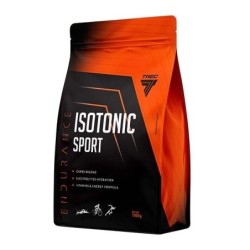


Isotonic Drinks and Electrolyte Powders
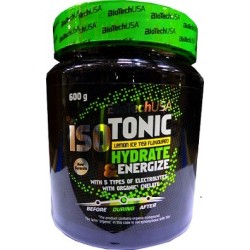
Most of this category is powder you mix yourself, and two products break that pattern – one isotonic in effervescent tablets and one bottled electrolyte water. Format is the first thing to settle here, before flavour and pack size. We keep isotonic drinks from Trec, Olimp, Allnutrition, Conteh Sports, HR Labs, BioTechUSA and Applied Nutrition, so all three formats are covered. Read on and see which one suits the way you train!
What are isotonic drinks and when do you need them?
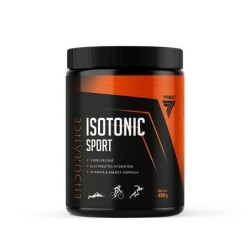
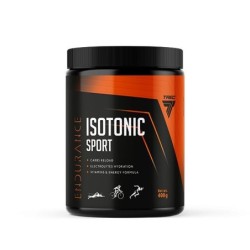
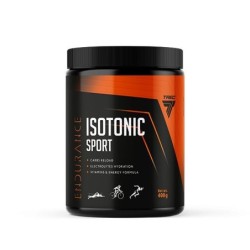
Sugars and mineral salts dissolved in water – that is what the name covers, and nothing more. Most of it is made up at home, one scoop at a time. In the products we stock the salts appear as sodium, potassium, calcium, magnesium and chlorides. Trec Endurance Isotonic Sport declares 231 mg of chlorides, 122 mg of calcium and 60 mg of magnesium in a serving.
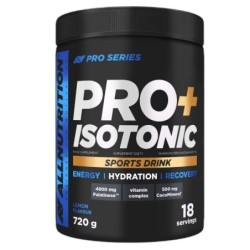
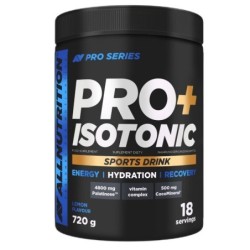
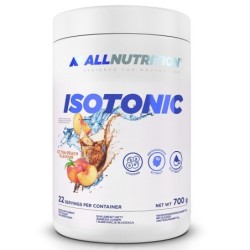
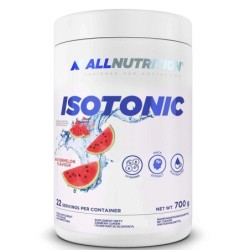
You reach for isotonic drinks when you want that composition in a flavoured drink rather than in plain water. The sugars come from sucrose, dextrose, maltodextrin or fructose, depending on the brand. Part of the shelf is sold as a hydration powder – HR Labs Wattr lists potassium citrate and pink Himalayan salt. Allnutrition builds its Isotonic on glucose, sodium citrate and calcium salts, with ashwagandha extract in that line.
Isotonic powder or electrolyte tablets?
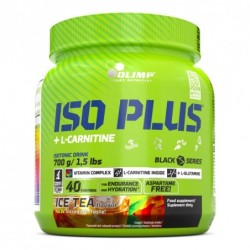
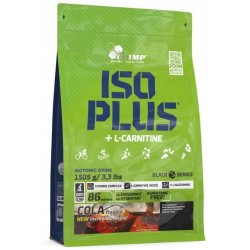
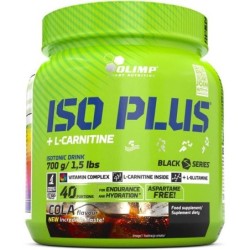
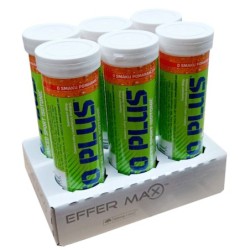
Powder is the default format here, and the effervescent version comes down to Olimp Iso Plus Effervescent Orange in six tubes of ten tablets. Powder is measured out with a scoop. A tablet drops straight into a bottle. An electrolyte drink made from tablets has one flavour on this shelf, since orange is the version stocked.
Isotonic tablets fit a gym bag, where a scoop and a shaker are one thing too many. An isotonic powder gives you control over how strong the drink comes out, because the amount of water is yours to set. Powders across the sports range are mixed the same way, so the habit carries over to EAA supplements.
How much powder do you mix per litre?
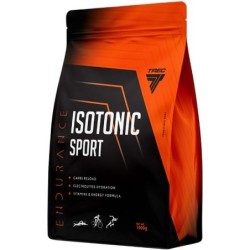
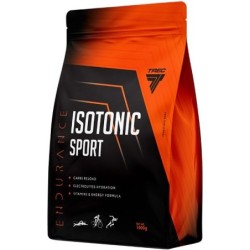
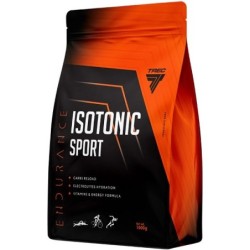
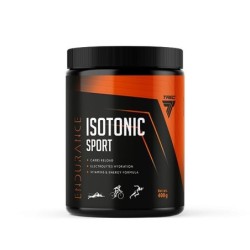
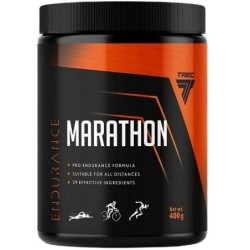
Trec Endurance Isotonic Sport takes 40 g, one scoop, in 500 ml, which works out at 80 g per litre. Olimp Iso Plus takes 17.5 g, a scoop and a half, in 250 ml, or 70 g per litre. Per litre the two sit close together, and per serving they do not.
The difference shows up in the number of servings a pack gives. A 400 g pack of the Trec powder gives about ten servings and the 1000 g pack roughly twenty-five. A 700 g tub of Iso Plus gives around forty, because one serving there weighs less than half of what it does with Trec. Before you compare two packs, work the servings out yourself – pack weight divided by serving weight.
Ready-to-drink electrolyte water
Ready-made electrolyte water here means Applied Nutrition Bodyfuel Electrolyte & Vitamin Water in Icy Blue Raz, twelve 500 ml bottles. The panel is printed per bottle – 136 mg of sodium, 89 mg of potassium, 160 mg of calcium, 48.5 mg of magnesium, 149 mg of chlorides and 79 mg of sulphates. That comes to 665 mg of minerals in one bottle, alongside 5 kcal and 250 mg of BCAA. Sugars stand at 0 g, so the sugar-free wording on the label is accurate.
The Bodyfuel panel is read per bottle, while powders declare theirs per 100 g or per serving, so the two are not compared side by side. Spring water and sucralose do the rest, and the batch is tested under Informed-Sport. Not every drink around a training day has to carry salts, and our healthy juices go the other way – mostly not-from-concentrate pressings, many of them organic.
Flavours and pack sizes for training days
Flavours cover cola, ice tea, watermelon, lemon, apple and mint, grape soda and pink lemonade, and pack weights start at the 300 g Hydra Flow tub. Powdered creatine HCl is a separate form with a serving of its own, so it keeps its own section. The brands in this category sit together in one place, so compositions and serving sizes compare side by side. Nearly all of that flavour choice sits with the powders, which is why they take up most of the room here.