

 SAME DAY DISPATCH; ORDER BY 2PM
 SECURE PAYMENT
  4.8/5 RATING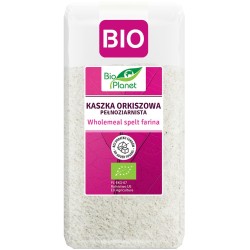
- V
- SF
- O
* suitable for vegans
* BIO certified
* easy to combine with additives
- Bestseller
* Simple composition
* No added sugar
* Natural organic ingredients
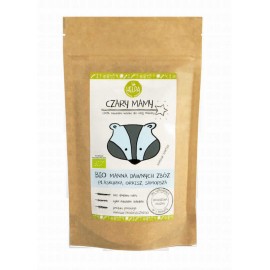
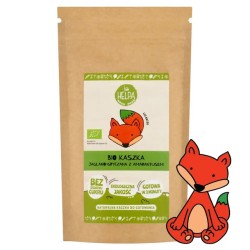
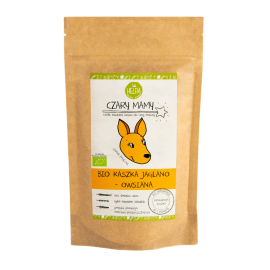

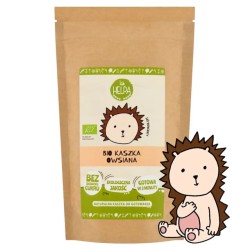
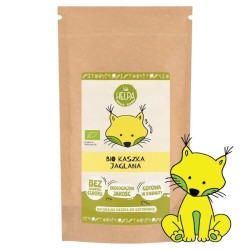
Organic Baby Porridge and First Cereals
The first question over a new pack is usually about thickness: how much powder goes into how much liquid, and the answer is printed on the box. Our organic baby porridge shelf is built around that moment – single grains such as millet, spelt and oat, blends that bring in buckwheat, amaranth or cocoa, and packs of 200 g and 400 g. Read on for how the grains differ, how the powder is mixed and which sets let you try more than one!
What is organic baby porridge made of?
Milled or flaked cereal, ground fine enough to swell in hot liquid, is the whole of the recipe behind organic baby porridge on this shelf. Millet, spelt, oat and buckwheat carry most of it, with amaranth, chickpeas and manna turning up in the blends. Every position here is certified organic. Spelt and oat put gluten on the allergen line, and the packs state it.
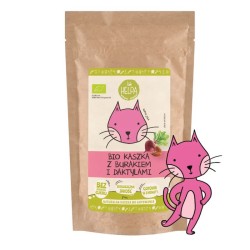
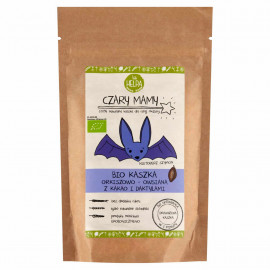
Blends are where the recipe gets specific. Helpa's spelt-oat porridge with cocoa and dates lists wholegrain spelt 46.5%, oat 40%, cocoa 10% and dates 3.5%, so the split between cereal and flavour is visible on the pack. Two brands stand behind the shelf, Bio Planet and Helpa, and both are certified organic across every position we list here.
Millet, spelt or oat: which porridge to start with
All three cook the same way, so the choice comes down to texture and flavour. Millet porridge for babies gives the mildest and most neutral result, while the blends with buckwheat or amaranth taste more of themselves. Spelt porridge sits between the two, with a light nuttiness that comes through most in the wholemeal 400 g pack.
The next decision is whether to stay with one cereal or move to a mixture: a single grain keeps the flavour constant, while a blend of millet with buckwheat and amaranth puts several cereals in one pack. Both routes work as porridge for first foods. If loose grain is already part of your cooking, the same cereals sit in our healthy groats category, in forms meant for the rest of the family.
How do you prepare baby porridge?
Two tablespoons to a cup of boiling milk or water is the measure printed on the Bio Planet pack, and each pack states its own. Both liquids are on the label, so that part follows whatever the rest of the meal is. Consistency is steered afterwards: a little more liquid loosens it, a little more powder tightens it, and manna behaves differently from wholemeal spelt, which keeps more of its grain.
Baby porridge with no added sugar
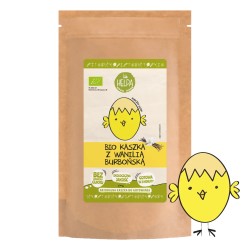
Two positions state the absence of added sugar on the label. Bio Planet's millet porridge is sold with no sugar added and gives sugars below 0.5 g per 100 g in the table, while Helpa's spelt-oat with cocoa and dates is described as made without added sugar or colours. The rest of the shelf carries no such declaration, so a baby cereal with no added sugar is something you confirm product by product, from the name and the nutrition table.
The rest of a child's shelf works differently from organic baby porridge. Our healthy sweets for kids category gathers lollipops, biscuits and gelatine-free jellies, and it belongs to a later part of the shopping list than first meals do.
Porridge sets for trying several grains
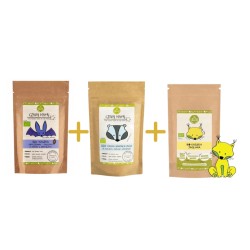
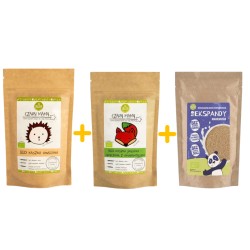
Helpa's two sets answer what a single pack leaves open: which grain actually gets eaten. One brings millet, ancient semolina and the spelt-oat with cocoa and dates together, the other pairs oat with a millet, buckwheat and amaranth blend. Everyday formats of the same grains sit in healthy cereal. Tasting a few this way is lighter than opening a full pack of each.