 SAME DAY DISPATCH; ORDER BY 2PM
 SECURE PAYMENT
  4.8/5 RATING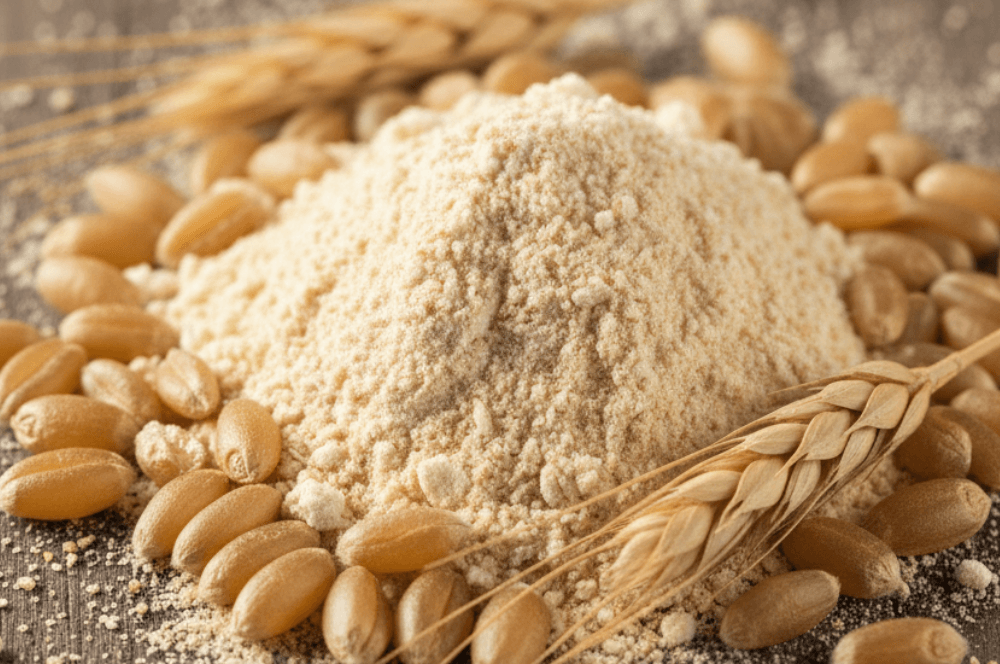
Einkorn flour - benefits and baking tips for healthier homemade baking
Einkorn flour is one of the oldest types of wheat and belongs to the category of ancient grains, which are gaining popularity in the UK due to their nutritional benefits and natural origin.
Einkorn flour is gaining popularity in the UK among health-conscious consumers, home bakers, and those looking for more natural alternatives to modern wheat. Known as one of the oldest grains in the world, einkorn offers a unique nutritional profile, rich flavour, and better digestibility compared to conventional wheat flour.
In this guide, we explore the key benefits of einkorn flour, how it differs from modern wheat, and practical baking tips to help you get the best results in your kitchen.
What is einkorn flour?
Einkorn (Triticum monococcum) is an ancient grain that has remained largely unchanged for thousands of years. Unlike modern wheat, which has been heavily hybridised, einkorn retains its original structure and nutritional integrity.
This makes einkorn flour a popular choice for those seeking natural, less processed alternatives in their diet. It is commonly available as wholemeal einkorn flour or refined einkorn flour, depending on your baking needs.
Key benefits of einkorn flour
1. Easier to digest
One of the most talked-about benefits of einkorn flour is its digestibility. While it still contains gluten, the gluten structure is different from modern wheat, making it easier for some people to tolerate.
2. Higher nutritional value
Einkorn is naturally rich in:
- Protein
- Essential fatty acids
- Vitamin B complex
- Minerals such as iron, zinc, and magnesium
- Antioxidants like lutein
This makes einkorn flour a great option for those looking to improve the nutritional quality of their baked goods.
3. Lower gluten content
Although not gluten-free, einkorn flour contains less gluten than modern wheat and has a weaker gluten structure. This contributes to its softer texture and improved digestibility.
4. Rich, slightly nutty flavour
Compared to standard flour, einkorn has a more complex taste profile. It adds a mild sweetness and nutty aroma, making it ideal for artisanal baking.
5. Less processing and more natural
Because einkorn has not been genetically modified or intensively bred, it is often considered a cleaner, more natural grain choice.
Einkorn flour vs modern wheat
Understanding the differences between einkorn and modern wheat is key when adapting recipes:
- Gluten structure: weaker and more fragile
- Water absorption: lower than regular flour
- Texture: softer, less elastic dough
- Nutrition: higher in micronutrients
Because of these differences, einkorn requires slightly different handling in baking.
Baking tips for einkorn flour
1. Reduce liquid in recipes
Einkorn absorbs less water than standard flour, so it’s best to reduce liquid by around 15–20% when adapting recipes.
2. Avoid overmixing
The gluten in einkorn is delicate. Overmixing can weaken the structure and lead to dense or flat baked goods. Mix gently and just until combined.
3. Expect softer dough
Dough made with einkorn will feel stickier and softer. This is completely normal and results in a more tender crumb.
4. Use in simple recipes first
If you're new to einkorn baking, start with:
- Pancakes
- Muffins
- Cookies
- Flatbreads
These recipes are more forgiving and allow you to understand how einkorn behaves.
5. Adjust baking time carefully
Einkorn products can bake faster due to their composition. Keep an eye on your oven and check slightly earlier than usual.
What can you make with einkorn flour?
Einkorn flour is incredibly versatile and works well in:
- Bread and sourdough
- Cakes and muffins
- Biscuits and cookies
- Pizza bases
- Pancakes and waffles
For best results, you can also combine einkorn flour with other flours such as coconut flour or almond flour to enhance texture and flavour.
Is einkorn flour suitable for gluten intolerance?
Although einkorn is easier to digest, it is not suitable for people with coeliac disease. However, some individuals with mild gluten sensitivity may find it more tolerable.
Where to buy einkorn flour in the UK?
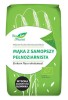
You can find high-quality einkorn flour in the UK in health food stores and online shops specialising in organic and natural products. When choosing a product, look for:
- Organic certification
- Stoneground milling
- Wholegrain options for maximum nutrition
Explore our range of organic flours to discover einkorn and other nutritious alternatives.
Final thoughts
Einkorn flour is an excellent choice for anyone looking to upgrade their baking with a more natural, nutritious, and flavourful ingredient. While it requires a slightly different approach compared to modern wheat, the results are well worth it.
By following these einkorn flour baking tips, you can create delicious, wholesome baked goods that stand out both in taste and nutritional value.
Learn more from our blog:
Low FODMAP diet: complete guide for beginners