 SAME DAY DISPATCH; ORDER BY 2PM
 SECURE PAYMENT
 4.8/5 RATING
Which nut butter to choose: almond, cashew or hazelnut?
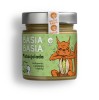
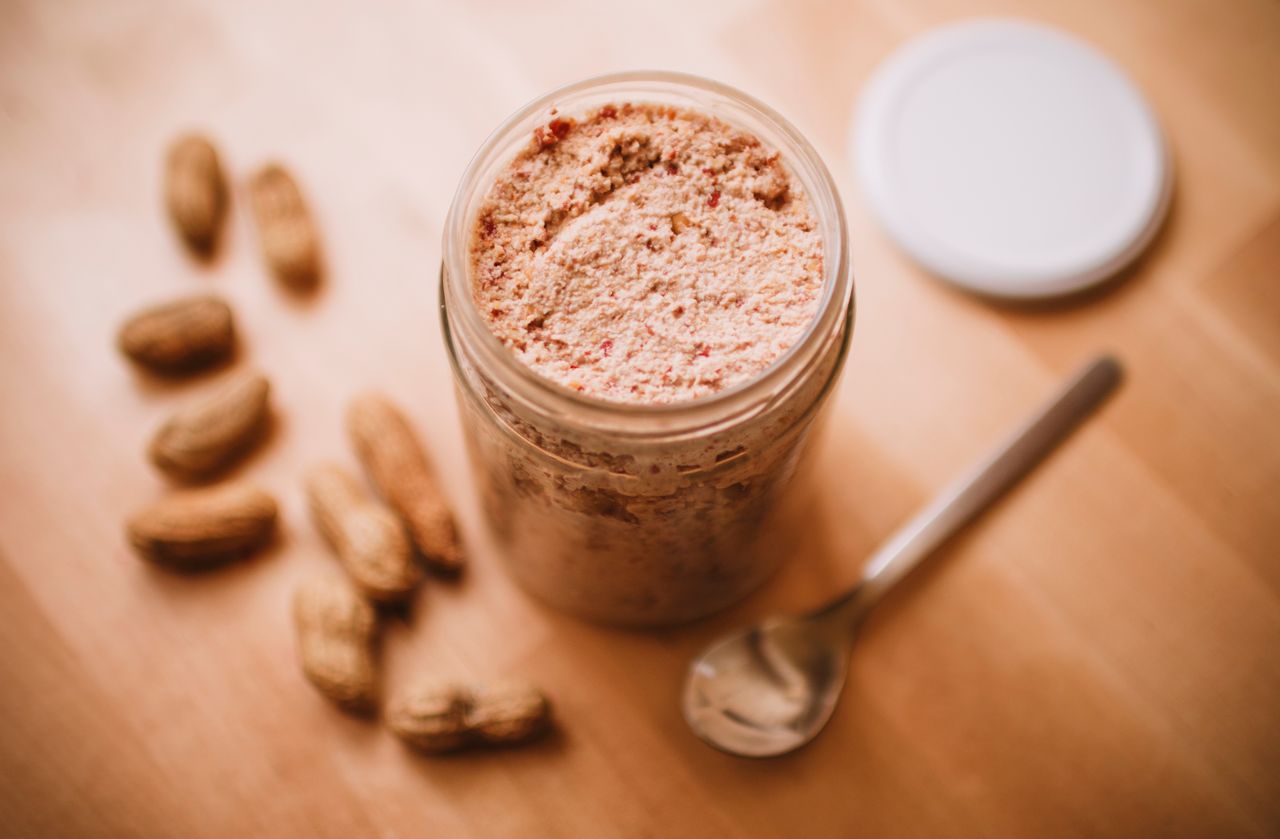
A spoonful of cashew butter melts into a warm sauce and thickens it. The same spoonful of almond butter stays grainy and sits on top. Choosing a nut butter is a question about the job it does, not about which nut sounds healthiest. One Polish jar of roasted almond paste, made from 99.7% almonds and sea salt, declares 24 g of protein per 100 g. Flavour, thickness and sweetness decide which jar earns a place in your cupboard!
Key takeaways:
- Ingredients decide the category: a plain paste lists the nut and perhaps salt, a spread adds sugar, dates, cocoa or extra fat.
- Texture follows the nut: cashew grinds down smooth and mild, almond keeps a firmer bite, hazelnut leads with roast.
- Oil on the surface is normal: stir it back through the jar instead of reading it as a fault.
- Peanut sits in a separate group: it is a legume, so peanut and tree nuts are declared as different allergens.
- Match the paste to the dish: a sauce wants a mild creamy paste, a bake wants flavour that survives the oven.
What separates a nut butter from a sweet spread?
The ingredient list settles it. Ingredients on a UK label run in descending order of weight, so the first line tells you what you are really buying. A nut butter names one nut at or close to the whole jar, sometimes with a pinch of sea salt. A sweet spread adds sugar, dried fruit, cocoa or extra fat to that base.
A natural nut butter is defined by that list, not by the word printed on the front of the jar. Turn the jar around and read the first three ingredients before you decide which group it belongs to. Both kinds sit on the same nut butters shelf. A hazelnut cream built from hazelnuts, dried dates and cocoa is a spread rather than a plain paste, with 9.3 g of sugars per 100 g to match.
Which nut butters can you choose from?
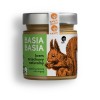
Beyond peanut, three flavour directions are worth exploring: almond, cashew and hazelnut. They differ in how strong the flavour is, how thick the paste stays and how much sugar the recipe brings with it. At 4ecoshop the clearest example of a plain paste is an organic roasted almond butter made from 99.7% roasted almonds and sea salt. It comes in a 250 g jar produced in Poland.
The three nuts differ in ways you feel at the hob:
Almond butter
Almond butter is the firmest of the three and keeps a light graininess even after long grinding. The organic jar above declares 655 kcal, 60 g of fat, 24 g of protein and 5.4 g of fibre per 100 g. That makes it a source of protein and a source of fibre. Roasting builds that toasted note; a white almond cream from unroasted nuts tastes milder and paler.
Cashew butter
Cashew butter tastes the mildest and the sweetest of the three, with no added sugar behind that impression. Cashews are softer than almonds, so they grind into a paste that pours rather than crumbles and blends into warm liquid without lumps. Roasted versions gain depth, while unroasted cream stays closer to plain dairy cream in taste.
Hazelnut butter
Hazelnut butter is the most aromatic of the three, and it is nearly always sold sweetened rather than as a plain nut paste. A typical hazelnut cream combines roasted hazelnuts with dried dates, coconut manna and cocoa, which lands at 26 g of carbohydrate per 100 g. A plain hazelnut paste is a rarity, and the ingredient list tells you within one line which of the two you are holding.
Nut butter and peanut butter side by side
The difference is botanical. Peanuts grow underground and count as legumes, while almonds, cashews and hazelnuts are tree nuts. That single fact drives the allergen labelling, so the two groups are declared separately even when the jars stand next to each other.
In the kitchen peanut butter brings a salty, savoury depth that suits satay-style sauces and noodles, while tree-nut pastes stay rounder and less assertive. An allergy to peanuts does not automatically mean an allergy to almonds or cashews, and the reverse is equally true. A shelf of peanut butter also carries almond, cashew and pistachio creams, so the jar tells you more than the shelf label does.
How do you read a nut butter label?
Read it in the order the label is written: ingredients first, allergens second, nutrition panel third. That order matches how much each part changes the decision, and the first line usually settles the question of paste against spread.
Four lines on the jar carry most of the useful information:
- Ingredient percentage: a figure such as 99.7% roasted almonds tells you the jar holds nuts and salt, nothing more.
- The allergen statement: a paste may be produced beside peanuts, hazelnuts, cashews and sesame, and that line is where it is declared.
- The nutrition panel: protein, fibre and sugars per 100 g let you compare two jars honestly, without trusting the front of the label.
- Storage and use: most jars ask for a dry and cool place, and many add that oil on the surface should simply be stirred back in.
One manufacturer puts it plainly on the jar: „a layer of oil on top does not indicate poor quality of the product. Mix the cream well before consumption.” Gluten-free wording follows the same logic, since the legal threshold sits below 20 mg/kg rather than at absolute zero.
Which seed pastes work as an alternative?
Sesame paste is the main alternative, and tahini ground from 100% roasted sesame is the version most recipes assume. It tastes savoury and slightly bitter rather than sweet, so it behaves less like a spread and more like an ingredient.
Thinned with water or lemon juice it becomes a dressing, it carries hummus and baba ganoush, and it gives halva its structure. A seed paste is not an allergy-safe substitute, because sesame is a regulated allergen in its own right, exactly like tree nuts and peanuts. If nut pastes are out of the question in your kitchen, tahini is worth trying on its own terms rather than as a copy of almond or cashew.
How do you use nut butter beyond toast?
Treat it as a fat and a thickener, not only as a spread. A spoonful stirred into a warm dish behaves a little like cream: it thickens, softens acidity and carries flavour through the whole pan.
Three habits cover most of what one jar can do:
- Sauces and dressings: thin cashew or almond paste with water, lemon and soy so it clings to noodles or roast vegetables.
- Baking: swap part of the butter or oil in cookies and traybakes, remembering that fat and grind change how far the dough spreads.
- Breakfast bowls: stir a spoonful through porridge, overnight oats or yoghurt while it is still warm, so it melts instead of sitting in a lump.
Baking is the one place worth testing on a small batch first. Results are recipe-specific, and a mild paste disappears into the crumb where hazelnut stays noticeable.
Picking a nut butter for how you actually eat
Start from the dish you make most often, not from the nut that sounds best. If most of the jar goes on bread and into porridge, a firm roasted almond paste earns its place. If you cook sauces, a smooth cashew cream saves you the blending step and the extra washing up.
Anyone moving on from peanut butter for the first time gets the clearest result from a single-ingredient jar. There is nothing in it to judge except the nut. If peanut butter is still the only jar in your cupboard, a 250 g pot of organic roasted almond butter from 4ecoshop is the simplest first step onto the rest of the shelf!
Frequently asked questions about nut butter
Why does nut butter separate in the jar?
A nut-only paste has no stabiliser holding the oil and the solids together, so the lighter oil rises. Stir it from the bottom with a narrow knife, or keep the jar upside down between uses so the oil travels back through.
Does nut butter need refrigerating?
An unopened jar keeps in a dry and cool cupboard. After opening, follow the instruction printed on your jar: chilling slows the separation, but it also makes the paste hard to spread straight from the fridge.
Which nut butter works best in baking?
There is no universally best paste for baking, because fat content, moisture and how coarsely the nuts are ground change how far the dough spreads, how firm it bakes and how much it loses in the oven. The right choice depends on the specific recipe.
Is roasted or raw nut butter better?
Roasted and raw are processing terms, not a quality ranking. Check the ingredient percentage and composition on the label to compare jars – that line tells you more than whether the nuts were roasted.
How long does an open jar keep?
There is no universal figure, because it depends on the recipe and on the stabiliser, so follow the after-opening instruction on your own jar. A clean lid and a dry spoon do more for the paste than any general rule.