 SAME DAY DISPATCH; ORDER BY 2PM
 SECURE PAYMENT
 4.8/5 RATING
How to make sugar-free jelly at home
Two sachets on the same shelf show the problem in a single glance. One sets without gelatine, yet carries 92 g of sugars per 100 g; the other has no sugar at all and lists pork gelatine first. A home-made sugar-free jelly removes that trade-off, because the powder, the sweetener and the fruit base become three separate decisions. See how each of those choices changes the texture, the sweetness and the claim you can honestly make!
Key takeaways:
- Two compromises on the shelf: ready-made sachets are usually free from gelatine or free from sugar, rarely both at once.
- Agar is not a direct swap: it needs its own liquid ratio, a short boil and constant stirring, unlike gelatine.
- The sweetener sets the flavour: xylitol tastes closest to sugar, while stevia strength depends on the blend you buy.
- Juice brings its own sugars: a jelly made on fruit juice can be excellent without being legally sugar-free.
- One basket, one recipe: at 4ecoshop the setting powders, the sweeteners and the juices travel in a single order, so a repeat batch stays simple.
What goes into a sugar-free jelly?
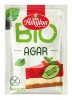
A sugar-free jelly needs three things: something to set it, something to sweeten it and something to carry the flavour. Ready-made packs bundle those roles, conveniently, until you read what each one contains. An organic powder set with agar gives a jelly without gelatine, yet sugar sits at the very top of its ingredients list.
A sugar-free version reverses the problem, because the sugars drop to zero while pork gelatine leads the composition. Neither pack does both jobs at once, and that single fact is the strongest argument for mixing your own.
Three components decide how a home-made jelly behaves:
- The setting agent: agar, described on packs as a natural agar agar thickener, gives a firm gel that breaks cleanly, while gelatine gives the classic elastic wobble.
- The sweetener: granulated xylitol behaves much like sugar in the pan, whereas steviol glycosides work at far smaller doses and need careful tasting.
- The flavour base: juice, purée or a cold infusion decides the colour and the aroma, and it also decides how much natural sugar the dessert carries.
Labels matter more than category names. Terms such as vegan jelly describe what a dessert lacks, not how sweet it is, so the nutrition table decides.
Which setting agents work in a sugar-free jelly?
Agar and gelatine both set a jelly without any sugar, but they are not interchangeable spoon for spoon. Agar comes from seaweed and builds a firm gel that breaks cleanly; gelatine is a protein and gives the familiar springy texture. Pectin behaves differently again, because the conventional high-methoxyl type relies on sugar and acid, while the low-methoxyl type can set with calcium.
Sugar is not only a sweetener in this system, since it changes how much water stays available to the gel network. Taking it out can soften the result, and the fix is usually a different dose of powder rather than more sweetness.
An agar-based batch follows a fixed order:
- Read the ratio first: the agar powder we keep is dosed at 10 g per litre of cold water, and every brand states its own figure.
- Start cold: whisk the powder into cold liquid so that it disperses fully before the pan warms up.
- Sweeten while it is liquid: add the sweetener at this point, taste, and adjust before the mixture leaves the hob.
- Boil rather than simmer: agar wants three minutes at a proper boil with constant stirring, while a sugar-free jelly powder based on gelatine dissolves in hot water and must not boil.
- Pour and chill: transfer the mixture to moulds while it still flows and let the fridge finish the work.
The same sequence runs with fruit juice in place of water, which is where the flavour question begins.
Which sweetener works in a jelly?
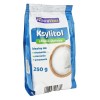
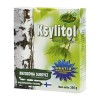
Xylitol is the easiest swap when you want the dessert to taste close to the original, because it dissolves and sweetens much like table sugar. Sold simply as xylitol, it carries a mild cooling note and measures with an ordinary spoon. Steviol glycosides work at far smaller doses, and the perceived strength depends on the blend. Erythritol sits between the two, being less sweet than sugar and noticeably cool on the tongue in a chilled dessert.
Large portions of polyols can have a laxative effect, worth knowing before serving a full bowl. Whichever route you take, taste the mixture once it has cooled, since sweetness reads differently cold than hot.
How do you get fruit flavour without syrup?
Juice, purée and cold infusions carry the flavour that syrup would otherwise provide, and they do it without any added sweetener. A pressed NFC juice gives the cleanest fruit character, and the healthy juice shelf runs from cherry and pomegranate through beetroot, celery and fermented vegetable pressings. That range matters in practice, because tart juices such as cranberry or aronia need less sweetener than mild apple-based blends.
One labelling detail deserves a place in the notebook: no added sugar is not the same claim as sugar-free, which in Britain means no more than 0.5 g of sugars per 100 g or 100 ml. Fruit juice supplies its own natural sugars, so a jelly built on it can be honest and delicious while sitting outside that legal threshold. A separate caution applies to gelatine, because fresh pineapple digests it through the enzyme bromelain, while heat-treated juice largely avoids the problem and agar ignores it entirely.
How long does homemade jelly keep?
A home-made jelly keeps in the fridge for around two days, and it should sit covered at 0–5°C from the moment it sets. Home batches contain no preservatives and often rest on fresh juice, so the sensible rule is to eat it within roughly 48 hours. Cover the dish, because an exposed gel dries at the surface and picks up aromas from the shelf.
Freezing is possible, though rarely worth the effort: water separates during thawing and the texture turns watery instead of springy. If you need a longer runway, keep the juice or purée chilled on its own and set the dessert on the day you plan to serve it.
Which jelly suits a children's party?
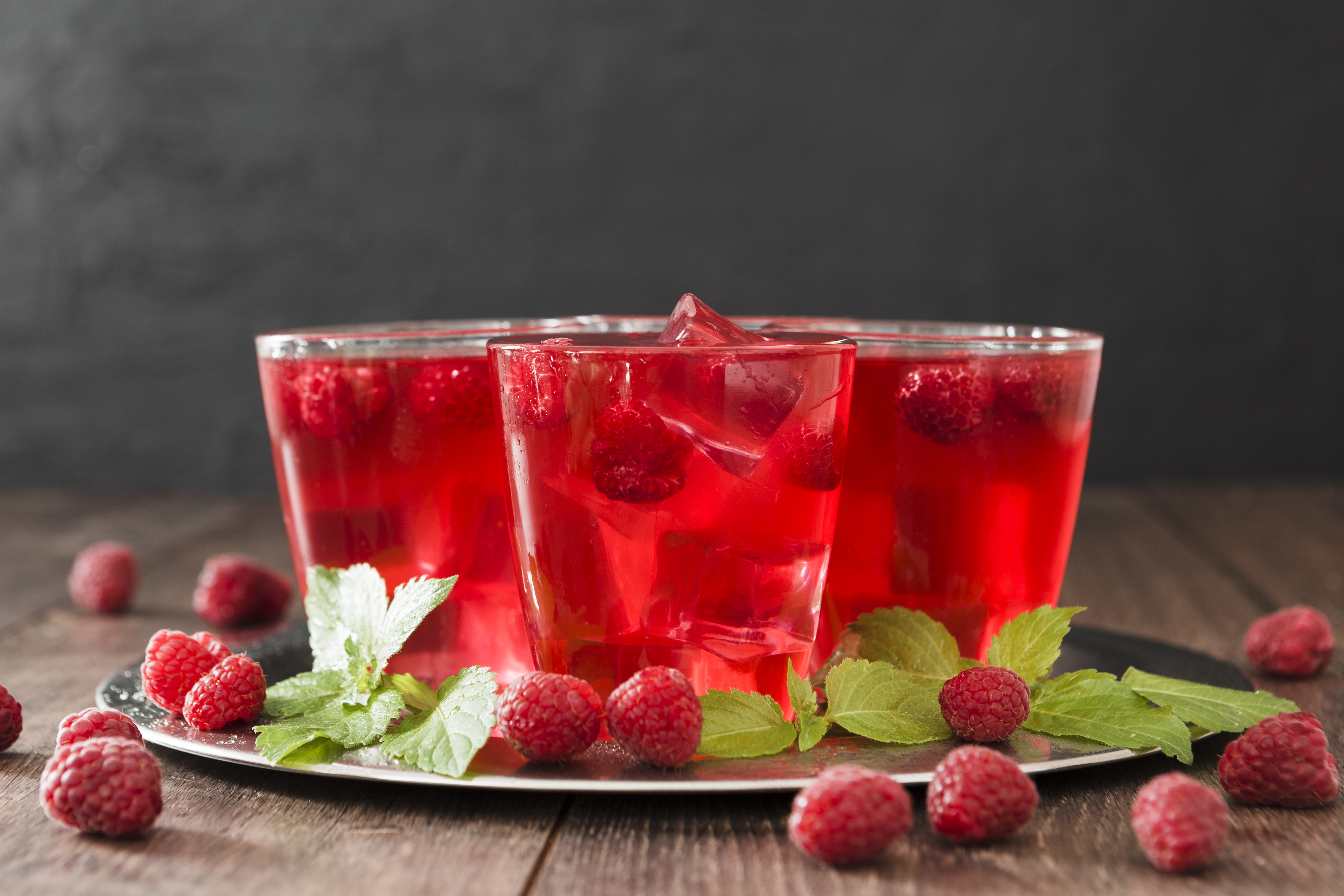
For a children's party the safest format is soft portions served with a spoon, set in small bowls rather than in firm one-bite shapes. Firm, slippery mini-cups slide down whole very easily, so a gentler set removes the risk without changing a single ingredient. Colour can come from beetroot, blackcurrant or carrot juice, which keeps the table bright without a drop of syrup.
Three formats work well on a party table:
- Shallow bowls: a softer set eaten with a teaspoon, which suits younger guests and keeps portions easy to control.
- Layered glasses: two juices poured one after the other, with each layer chilled before the next goes in.
- Cut cubes: a firmer agar batch chilled in a tray and cut with a knife once it has set completely.
Tell the parents what went into the bowl, since xylitol and stevia are invisible in a finished dessert. A short card beside the table covers allergens too, for guests with their own dietary rules.
Making a jelly worth repeating
A low sugar dessert becomes repeatable once the three components stop being a guess and turn into a shopping habit. Once you know which powder ratio works, which sweetener your household prefers and how sharp your favourite juice is, the recipe stops moving between batches.
Write those three notes inside the cupboard door, because a working proportion is far easier to protect than to rediscover. Keep an agar powder, a sweetener that matches your taste and a juice you would happily drink on its own, and one order at 4ecoshop covers the entire recipe!
Frequently asked questions about sugar free jelly
Does sugar-free jelly set as firmly as the classic one?
Firmness is not the whole story: the set can feel very different in the mouth at the same firmness. Agar breaks cleanly with a short snap, while gelatine keeps the familiar wobble. For a softer dessert, ease back the agar dose rather than adding more.
Which sweetener leaves the least aftertaste?
Aftertaste depends less on the sweetener family than on the exact product. Xylitol's cooling feel comes from how it dissolves and stays constant pack to pack; two products both labelled „with stevia” can still taste different, since the blend varies. Check the label on that product, not the category name.
Can you freeze homemade jelly?
Freezing changes what the dessert is good for rather than ruining it outright: thawed jelly suits a sauce or a smoothie better than a clean wobble on a plate. If a firm set matters, skip the freezer and keep the fresh batch in the fridge at 0–5°C, eaten within about 48 hours.
Is sugar-free jelly suitable on a keto diet?
It depends on the sweetener and on the rest of the recipe, because the absence of table sugar does not settle the carbohydrate count. Check the carbohydrate figure per portion on the powder and on the juice, since juice is the usual source of hidden carbohydrates here.
Why is my jelly cloudy?
Cloudiness normally comes from pulp, suspended particles or air whisked into the mixture, and it says nothing about safety. Strain the juice through a fine sieve and skim the foam before pouring, and the next batch will set noticeably clearer.