 SAME DAY DISPATCH; ORDER BY 2PM
 SECURE PAYMENT
  4.8/5 RATING
How to use spirulina powder in smoothies and meals
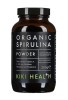
Spirulina powder turns a smoothie deep green and brings a strong marine, grassy note that catches many people off guard on the first sip. It is a dried blue-green algae, sold as a fine powder, and in the kitchen it is valued mostly for that vivid colour and for the plant protein it contains. At 4ecoshop we keep spirulina powder alongside our other superfoods, so this guide sticks to the practical side: how much to use, how to mask the taste, and where a spoonful fits into meals you already eat. Get those three things right and a spoonful of spirulina slots into smoothies, bowls and cold dishes without taking over the flavour!
Key takeaways:
- Start small: add about half a teaspoon, blend, taste and adjust; for daily use, follow the manufacturer's instructions on the label.
- Balance the flavour: pair spirulina with banana, mango, pineapple, cocoa or citrus to soften its grassy, marine note.
- Blue and green differ: green powder is the whole dried algae, while blue is usually a phycocyanin extract with a milder taste.
- Add it off the heat: the colour fades when heated, so stir it into cold or finished dishes for the brightest green.
- Check the pack: protein content, organic certification and vegan status all sit on the label.
How do you add spirulina powder to a smoothie?
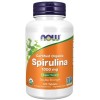
Blend about half a teaspoon into your usual fruit-and-liquid base, then taste before adding more. A high-speed blend spreads the fine powder evenly and stops it clumping into green flecks, while starting low keeps the marine note in check. Our spirulina powder mixes smoothly into a cold base, which is the easiest place to begin.
Which fruits work best in a spirulina smoothie?
Sweet, strongly flavoured fruits work best, because they cover spirulina's grassy edge. Banana, mango, pineapple and berries all do the job, and a squeeze of citrus lifts the whole glass. Frozen fruit helps too, thickening the drink and dulling the taste a little further.
How much spirulina powder should you add per serving?
Start with about half a teaspoon per serving and adjust to taste over the following days. This is a culinary starting point rather than a set dose, so for a daily amount always follow the manufacturer's instructions on the label and do not exceed it. Many people settle near a teaspoon once they are used to the flavour, but the pack is the guide.
How can you mask the taste of spirulina powder?
The most reliable way is to keep the dose small and let bolder flavours sit over it.
Three techniques do most of the work:
- Pair it with sweet or tart flavours: cocoa, nut butter, banana, pineapple and a little citrus all balance its grassy, marine notes.
- Blend with frozen fruit: this smooths the texture and softens the flavour a little further.
- Build up slowly: move up from a small amount over several servings rather than in one jump.
Let the fruit do most of the work on flavour, and the powder stays in the background rather than leading the glass.
What does spirulina powder taste like?
Spirulina powder tastes strongly of the sea and fresh grass, with roasted, savoury notes underneath. The flavour is more intense in the dried powder than in fresh biomass, which is why recipes lean on sweet fruit and modest amounts.
How do you make a spirulina smoothie bowl?
Blend frozen fruit with just enough liquid to keep the mix thick and spoonable, then stir in half a teaspoon of spirulina powder. Plant-based drinks such as oat or almond make a smooth, dairy-free base, and a thick blend carries the colour well for a vivid green bowl. Top it with fresh fruit, seeds, nuts or granola.
What meals can you add spirulina powder to?
Beyond drinks, spirulina powder works best stirred into cold dishes, where the colour and flavour stay put.
Three everyday dishes take it well:
- Dips and spreads: a pinch in hummus or guacamole is a common way to use it.
- Dressings and energy balls: a small spoonful blends straight into the mix.
- Yoghurt and overnight oats: stir it through for a breakfast bowl with a green tint.
Keep the amount small so it tints the dish without dominating.
Can you cook with spirulina powder?
You can, but heat dulls its bright colour, so it is best added at the end of cooking or to no-cook recipes. The blue-green pigment is sensitive to heat and light and holds up best below about 45°C, so simmering or baking with it tends to leave a duller, olive shade. It sits alongside other superfoods you can fold into everyday cooking.
How does blue spirulina powder differ from green spirulina?
The two come from the same organism: green powder is the whole dried biomass, while blue is usually a phycocyanin extract, the pigment that gives it a brighter colour. Blue has a milder taste, but it is not a separate species, and the green whole-biomass powder is the one that carries the fuller flavour and the plant protein. Choose by the colour and taste you want, and check the ingredients list on the pack.
Should you choose spirulina powder or tablets?
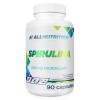
Choose powder if you want to mix spirulina into smoothies and food, and tablets if you prefer a quick option with no taste. Powder is flexible and lets you control the amount you use, while tablets skip the strong flavour completely. Both come from the same ingredient, so it comes down to convenience, and our range of food supplements includes tablet and capsule forms for anyone who would rather not taste it.
Start small: one teaspoon at a time
The easiest way to get comfortable with spirulina is to build up in small steps. Begin at half a teaspoon, blend it well, and let sweet fruit carry the flavour while your palate adjusts. Once half a teaspoon feels normal you can nudge it towards a teaspoon, letting the label guide your daily amount.
Frequently Asked Questions about spirulina powder
Can you mix spirulina powder with just water or juice?
Yes, you can stir it into water or juice, though the flavour comes through much more strongly without fruit to soften it. Juice hides it better than plain water, so start with a small amount and a well-flavoured juice.
How should you store spirulina powder after opening?
Keep it in a sealed container, somewhere dry and away from light, and use it by the date on the pack. Air and light gradually fade the green colour, so a tightly closed tub keeps it at its best.
Is spirulina powder suitable for vegans?
Spirulina powder is plant-based, so it is generally suitable for vegan diets. Check the label, though, as some blends add other ingredients, and look for any vegan certification on the pack.
Can you add spirulina powder to porridge or overnight oats?
Overnight oats are ideal, because they are not heated, so you can stir the powder straight in. With hot porridge, add it once the pan is off the heat to keep the colour bright.
Can you freeze smoothies made with spirulina powder?
Yes, you can freeze them as you would any smoothie, and normal freezer temperatures are fine. The colour and texture may shift a little once thawed, but there is no special rule for spirulina here.