 SAME DAY DISPATCH; ORDER BY 2PM
 SECURE PAYMENT
  4.8/5 RATING
What does chicory coffee taste like, and who is it for?
Chicory coffee suits anyone who wants the warm, roasted ritual of a morning cup but would rather skip the caffeine. It is made by roasting and grinding the root of the chicory plant, then brewing it much like coffee, and pure chicory coffee is naturally caffeine-free. The taste is dark and roasted, closer to a bitter, caramel-edged brew than to a smooth Arabica. See how it tastes, who tends to reach for it and how to brew a decent cup at home.
Key takeaways:
- Caffeine-free by nature: pure chicory coffee contains no caffeine, though a chicory-and-coffee blend still does, so check the ingredient list.
- Dark, roasted flavour: expect woody, nutty and caramel-like notes with a clear bitter finish, not an exact coffee match.
- Two formats: instant chicory dissolves in hot water, while roasted grounds need steeping or filtering; follow the ratio on the pack.
- Tame the bitterness: use a little less, brew for less time or add warm milk to soften the cup.
- Who it suits: anyone cutting down on caffeine who still wants a hot, coffee-like drink and does not mind a bitter edge.
What is chicory coffee?
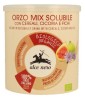
Chicory coffee is roasted chicory root, brewed as a soluble powder or as grounds in place of or alongside coffee. It comes in two main forms: soluble instant chicory, a dried extract you stir into hot water, and roasted ground chicory, which you steep or filter like coffee grounds.
The roots are naturally bitter and turn dark and aromatic once roasted, which is where the coffee-like character comes from. You will find chicory coffee sold both as instant powder and as roasted grounds.
What does chicory coffee taste like?
Chicory coffee tastes dark and roasted, with woody, nutty and caramel-like notes and a clear bitter finish. It is not a like-for-like swap for Arabica: it lacks the bright, fruity acidity and complex aroma of brewed coffee beans, leaning instead on a deeper, earthier profile. How strongly those notes come through depends on the roast level and on whether you are drinking pure chicory or a blend.
Is chicory coffee bitter?
Yes, chicory coffee has a noticeably bitter edge, which comes from natural compounds in the roasted root rather than from any additive. The level varies from person to person and from product to product, and a lighter roast or a smaller dose gives a gentler cup. If the bitterness is too much, brewing for less time or adding milk softens it.
How does chicory coffee differ from regular coffee?
Chicory coffee and regular coffee differ in what they are made from, whether they contain caffeine and how the cup tastes.
They part ways on three counts:
- The raw material: chicory coffee comes from the roasted root of the chicory plant, while regular coffee comes from roasted coffee beans.
- The caffeine: pure chicory is naturally caffeine-free, whereas coffee beans carry caffeine of their own.
- The cup itself: coffee brings brightness, acidity and a wide range of aromas, whereas chicory is darker, earthier and more bitter with caramel notes.
Many people who switch keep the ritual by brewing chicory the same way they brewed 100% arabica coffee, just without the caffeine.
Does chicory coffee contain caffeine?
Pure chicory coffee is naturally caffeine-free, because the chicory root contains no caffeine of its own. A chicory-and-coffee blend is a different story: the caffeine comes from the coffee part, so always check the ingredient list if you are avoiding it. If you actually want caffeine from a coffee alternative, drinks such as yerba mate contain it, whereas pure chicory does not.
Who is chicory coffee for?
Chicory coffee is for anyone who wants a warm, roasted, coffee-like drink without the caffeine: people cutting back in the afternoon or evening, those sensitive to caffeine, and anyone who simply enjoys a dark, bitter brew. It also appeals to drinkers looking to vary their morning routine. Chicory root naturally contains inulin, a plant fibre, though whether a given product carries it comes down to the label.
Can you drink chicory coffee during pregnancy?
Pure chicory coffee is naturally caffeine-free, but caffeine-free does not automatically mean a drink has been tested as safe in pregnancy. If you are pregnant, the sensible step is to check the product with your GP, midwife or pharmacist and read the label, rather than assuming it is fine simply because it has no caffeine.
How do you make chicory coffee at home?
To make chicory coffee at home, match the method to the format you have bought.
Instant powder and roasted grounds are prepared in different ways:
- Instant chicory: stir the powder straight into hot water, exactly as you would any soluble drink, and the cup is ready in seconds.
- Roasted ground chicory: give it a few minutes to steep in hot water, then filter it much as you would coffee grounds.
- Strength and ratio: concentration varies between products, so follow the ratio printed on the pack and adjust to taste from there.
Whichever format you have, taste as you go and treat the first cup as a trial run rather than a fixed recipe.
How do you make chicory coffee with milk?
To make chicory coffee with milk, brew it a little stronger, then top it up with warm dairy or plant milk, much as you would a latte. The milk rounds off the bitterness and adds body, so it is an easy way to make the cup more mellow. This works with both instant chicory and grounds, and it is the same approach that softens a strong cup, whether you reach for chicory or other coffee and coffee alternatives.
Is chicory coffee worth trying?
Chicory coffee is worth trying if you like dark, roasted flavours and want a hot drink with no caffeine, and less so if you are hoping for something that tastes exactly like a good espresso. It rewards a little experimenting: adjusting the strength, switching between instant and grounds or adding milk quickly shows whether the bitter, caramel character suits you.
For many people it becomes a steady evening cup or a caffeine-free stand-in when a second coffee would keep them awake, and the only way to know is to brew one and see.
Frequently Asked Questions about chicory coffee
Can you mix chicory with regular coffee?
Yes, mixing chicory with regular coffee is a long-standing way to drink it, giving a cup with a deeper, slightly bitter-sweet edge. Because the coffee is still in the cup, the blend is not caffeine-free, so start with a small amount of chicory and adjust the ratio to taste.
Is chicory coffee acidic?
Chicory brews do contain some organic acids, but there is no single answer, because acidity depends on the product, the roast and how you prepare it. It is often described as gentler than coffee, though that varies cup to cup, so judge by taste rather than expecting a fixed level.
Can you make chicory coffee in a cafetière?
You can make roasted ground chicory in a cafetière: add the grounds, pour over hot water, let it steep for a few minutes and press the plunger down slowly. Instant chicory does not need a cafetière at all, since it dissolves straight into hot water.
How should you store chicory coffee?
Store chicory coffee in a sealed container in a cool, dry place away from light, and use it by the date on the pack. Instant chicory in particular can clump if it picks up moisture, so keeping the lid tight matters more than anything else.
Where can you buy chicory coffee in the UK?
You can buy chicory coffee in the UK online and in many health-food shops, both as instant powder and as roasted grounds. Look for a clear label showing whether it is pure chicory or a chicory-and-coffee blend, and check for organic certification if that matters to you.