 SAME DAY DISPATCH; ORDER BY 2PM
 SECURE PAYMENT
  4.8/5 RATING
What is apple fibre and how do you use it?
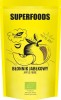
Most kitchens keep one packet that nobody has ever opened, and dried apple powder milled from the pulp left after juicing is a classic candidate. Apple fibre is easier to use than it looks: the 150 g Bio Planet pack declares 55 g of fibre per 100 g, so it is measured out by the teaspoon rather than by the cup. At 4ecoshop it sits among the fibre supplements, but it belongs in the cupboard with the groats and the porridge, because this is a cooking ingredient rather than a capsule. Start with the amounts, then the liquid it needs, then the dishes where it earns its place!
Key takeaways:
- What it is: apple pulp left after juicing, dried and milled into a fine, beige powder.
- How much fibre: the Bio Planet 150 g pack declares 55 g per 100 g, which makes it a high fibre food.
- How to dose it: the label sets a maximum of four teaspoons a day and suggests starting with one.
- Liquid matters: the powder takes up water, so porridge, batters and doughs need more of it.
- Not a psyllium swap: the two behave differently in a bowl, so they do not stand in for each other.
What is apple fibre made from?
Apple fibre is made from the apple solids that stay behind once the juice has been pressed out; the pulp is dried and then milled into a powder. Pectin is one part of that mixture, so apple pectin fibre is a fair description, though the powder is not purified pectin. It keeps the fibrous cell walls of the fruit as well, and that is what shapes the way it behaves in a bowl.
On the fibre supplements shelf it stands next to psyllium husks, buckwheat, acacia, bamboo, cocoa and potato fibre, oat bran and vital fibre. The pack linked here is organic apple fibre from Bio Planet, and its declaration reads 293 kcal, 35 g of carbohydrate including 5 g of sugars, 4 g of protein and 55 g of fibre per 100 g. That last figure is what allows a high fibre description.
Apple fibre and psyllium husk
The two fibres behave differently once they meet liquid, so one does not stand in for the other. Psyllium sets into a firm, slippery gel, while apple fibre binds moisture more gently and brings apple solids with it. Psyllium husks from KIKI Health come as a 275 g powder and as capsules, and the powder is usually stirred into plain water on its own.
Apple fibre goes into something you are already making. When a smoothie has to thicken in seconds, psyllium does that job with a very small amount. In porridge, muffins or pancake batter, apple powder blends in without turning the mixture rubbery, and its mild fruit note suits sweet dishes. That difference decides which packet you reach for.
What does apple fibre taste like?
It tastes mildly of apple, with a light tartness and a faint baked-apple smell as soon as it meets hot liquid. Apple fibre powder is beige and slightly sandy between the fingers, closer to fine bran than to flour. In porridge or yoghurt the flavour hides easily under fruit or cinnamon. In a pale sponge it shows in both taste and colour, because it tints the crumb a shade darker.
How do you add apple fibre to porridge and baking?
Start with one teaspoon and add it late. Stir it into porridge once the oats are cooked, take the pan off the heat and give it two or three minutes to take up the liquid. In baking, swap out a small share of the flour instead of adding the powder to a finished recipe, and pour in a little extra milk or water to match.
The same spoonful works in a bowl of ready-mixed healthy porridge, where protein blends sit alongside a few organic ones, and in overnight oats left in the fridge until morning.
Apple fibre earns its place in a few everyday dishes:
- Porridge and overnight oats: a teaspoon stirred in at the end, with a splash more milk than usual.
- Yoghurt and smoothies: mixed in and left to stand for a minute, so the texture settles before you eat.
- Muffins and loaf cakes: a small share of the flour swapped out, with the liquid raised to match.
- Pancake batter: worked in before the batter rests, which thickens it and gives softer edges.
- Warm fruit compotes: stirred into the pan at the end to give the fruit more body.
Two things stay the same in all of them. Add it early enough to hydrate, and raise the liquid to match.
How much water does apple fibre need?
There is no fixed ratio, because how much liquid the powder takes depends on how finely it was milled. Add it in small amounts, stir, wait two or three minutes and then judge whether the mixture still needs more. A batter that looked right at the start can stiffen while it rests, and it will ask for more liquid than the same weight of flour.
Three things are worth watching when you add it:
- Order: tip the powder into the liquid rather than pouring liquid onto a heap of powder, or it clumps.
- Amount: a teaspoon at a time is enough to see how the texture changes before you add any more.
- Resting time: give it a couple of minutes, because the mixture keeps thickening after the spoon stops.
The pack sets its own limits, and the glass of water alongside matters as much as the spoon. Follow the label on your own pack rather than a ratio copied from a recipe.
Which grains bring fibre to the same meal?
Wholegrain groats carry fibre of their own, which makes a spoonful of powder a top-up rather than the main event. Roasted buckwheat, spelt, emmer and barley keep the bran with the grain and hold their shape after cooking. Millet, bulgur, corn couscous and polenta cook softer and take on the flavour of whatever they are cooked in.
A pot of healthy groats cooked in the evening also gives you a breakfast base: yesterday's millet warmed with milk and a teaspoon of apple powder behaves much like porridge. Semolina and manna do the same job when you want something smoother.
Where apple fibre fits in the kitchen
It fits wherever a dish is already wet and already carries enough flavour to take a mild apple note. Porridge, yoghurt, compotes, muffins and pancake batter accept it without any fuss. Dry, delicate baking is where it struggles, because it drinks liquid and weighs down a light crumb.
Kept dry and well sealed, a 150 g pack lasts a long time at a teaspoon a day, so one packet answers a lot of breakfasts. Have a look at the fibre supplements at 4ecoshop, compare apple fibre with psyllium husks and pick the one that suits the way you cook!
Frequently asked questions about apple fibre
Can you use apple fibre every day?
Four teaspoons a day is as far as the label goes, working out at roughly 10 g of fibre, so daily use stays within that ceiling. Start with a single teaspoon, build up over the following days and take it with a glass of water, following the routine printed on the pack.
Does apple fibre dissolve in cold drinks?
It disperses rather than dissolves, because part of the powder is insoluble and stays suspended in the glass. Stir it well and drink it fairly soon, and expect a slightly grainy texture. In a thicker cold drink such as a smoothie that texture is much harder to notice.
Is apple fibre suitable on a gluten-free diet?
The powder is made from apples, so no gluten grain goes into it. If you avoid gluten strictly, look for a gluten-free declaration on the pack, because that covers how the product was handled and not only what it contains.
Can you bake with apple fibre?
Yes, as a small share of the flour rather than as an extra spoonful on top of the recipe. Expect a darker crumb, a moister centre and a slightly heavier loaf, and add a little more liquid than the recipe states.
How should apple fibre be stored?
Keep it in a dry place in a well-sealed pack, away from steam and from the hob. Use a dry spoon every time, because damp powder clumps and those clumps never mix in properly afterwards.