 SAME DAY DISPATCH; ORDER BY 2PM
 SECURE PAYMENT
  4.8/5 RATING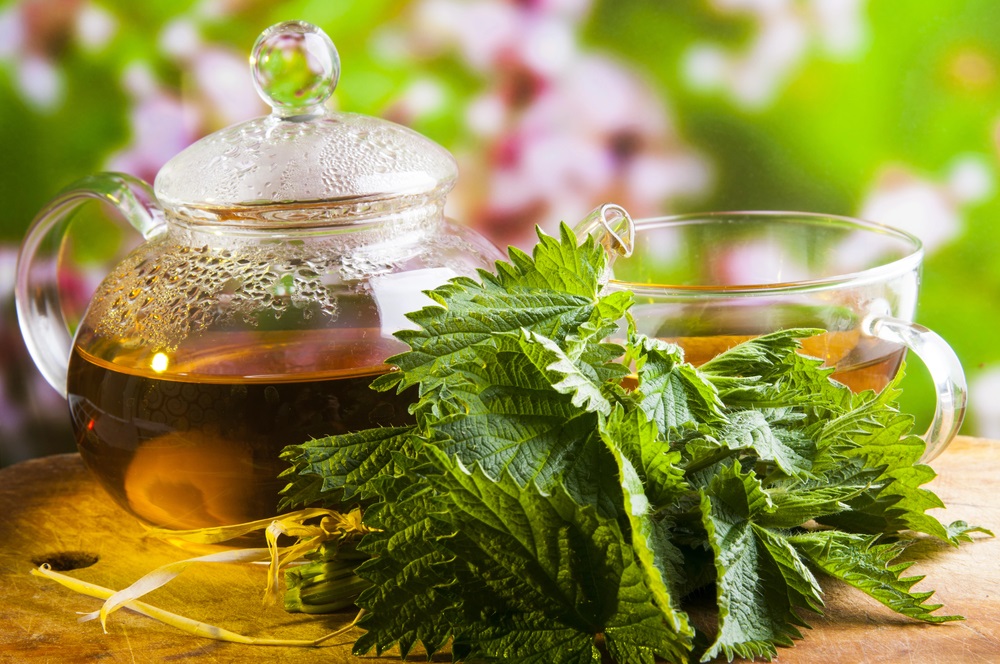
What is nettle tea good for?
Nettle tea is a caffeine-free herbal infusion brewed from the dried leaves of the common nettle, and it needs only hot water and ten minutes. If you want a caffeine-free swap for ordinary black or green tea, that simple method is the whole starting point. Much of the talk around nettle tea benefits comes down to what the leaf contains and how the cup slots into your routine. Below we walk through brewing, sensible daily amounts and what to keep an eye on, so your first brew goes smoothly!
Key takeaways:
- Caffeine-free: nettle tea is a herbal infusion with no caffeine, so it suits the evening as easily as the morning.
- Simple to brew: one to two teaspoons of dried leaves, water at about 90°C and around ten minutes are all it takes.
- What the leaf holds: nettle leaves naturally contain vitamins A, C and K along with minerals such as iron and magnesium.
- A sensible amount: one or two cups a day is typical, with about three as a comfortable everyday upper limit.
- Mind a few cautions: if you are pregnant or take medication, check with a doctor before drinking it every day.
What is nettle tea?
Nettle tea is an infusion made by steeping the dried leaves of the common nettle (Urtica dioica) in hot water. It is naturally caffeine-free and has a mild, green and slightly grassy flavour that many people soften with a little lemon or honey.
The plant behind it is the same stinging nettle you find along hedgerows and footpaths; once the leaves are dried and brewed, the tiny stinging hairs are deactivated and the cup is perfectly smooth to drink. It is easy to compare loose leaf and teabags side by side in the nettle tea category before you pick the form you like best.
What is nettle tea good for? Benefits of nettle tea
Nettle leaf tea is valued first and foremost as an easy, caffeine-free everyday drink with a gentle green taste. Much of the interest comes from what the leaves naturally contain rather than any single effect: nettle is a nutrient-dense leaf that has been eaten and brewed across Europe for centuries.
In practice, people reach for it as a herbal alternative to black or green tea, either on its own or with a slice of lemon. Treating it as a pleasant part of a varied diet, rather than a remedy, is the most honest way to think about nettle tea benefits.
What nutrients does nettle tea provide? Nettle tea benefits
Nettle leaves contain a mix of vitamins and minerals, small amounts of which pass into the cup as they steep. On the vitamin side you will typically see vitamins A, C and K along with several B vitamins listed for the leaf, while the mineral profile includes iron, magnesium, potassium and calcium.
The exact amounts in a single cup are modest, since a light infusion is not the same as eating the leaf or taking a supplement. It is best to think of nettle tea as a pleasant drink that happens to come from a nutritious plant.
How do you make nettle tea?
To make nettle tea, pour water at around 90°C over one to two teaspoons of dried nettle leaves and let it steep, covered, for about ten minutes. Water just off the boil is kinder to the leaf than a rolling boil, and keeping the cup or pot covered holds in the aromatics while it brews.
Once the time is up, strain out the leaves and add lemon or honey if you like a softer, sweeter cup. A single pack of dried nettle leaves goes a long way, because each cup needs only a teaspoon or two, so it is an easy herbal tea to keep in the cupboard.
Can you make tea from fresh nettles?
You can brew fresh nettles, but they need a little handling first. Pick young tops in spring while wearing gloves, rinse them well, then blanch or dry the leaves so the stinging hairs are neutralised before they go anywhere near your cup.
Fresh leaves give a brighter, greener taste, though the flavour varies with the season and how young the nettles are. Most people find dried leaves simpler and more consistent all year round, which is why they are the usual starting point.
How much nettle tea per day?
For most people, one or two cups of nettle tea a day is a sensible amount, with around three cups as a comfortable everyday upper limit. There is no need to drink large quantities to enjoy it; treating it like any other herbal tea keeps things straightforward.
If you are new to nettle, it makes sense to start with a single cup and see how you get on before you build it into your routine. As with any drink you have regularly, variety across the day is better than relying on one thing.
Does nettle tea have caffeine?
Nettle tea contains no caffeine at all, because it is brewed from nettle leaves rather than the leaves of the tea plant, Camellia sinensis. Black, green and white teas all come from that one plant and carry caffeine, whereas herbal infusions like nettle, mint or chamomile are naturally caffeine-free. That makes nettle a useful option if you are cutting back on caffeine or simply want a warm drink that will not leave you buzzing.
Can you drink nettle tea at night?
Because it has no caffeine, nettle tea is perfectly fine to drink in the evening. Many people enjoy a warm, caffeine-free cup late in the day, in place of a late coffee or ordinary tea. The only thing worth keeping in mind is fluid intake close to bedtime, which applies to any drink rather than to nettle in particular.
Are there any side effects of nettle tea?
Nettle tea is generally well tolerated as an everyday drink, but a few sensible cautions are worth knowing.
Keep these situations in mind before drinking it daily:
- If you take regular medication: herbs can interact with some medicines, so it is worth a quick word with your GP or pharmacist before drinking it every day.
- During pregnancy or breastfeeding: advice here tends to be cautious, so check with a doctor before making nettle tea a daily habit.
- If it is new to you: start with a small cup and see how you feel before you drink more.
For most people, though, an occasional or daily cup slots into an ordinary, varied menu without any fuss, and any concerns are easy to check in advance.
What other nettle products are worth trying?
Beyond loose leaf, nettle appears as teabags, pyramids, ready blends and even a pressed juice, so there is a format for every routine.
At 4ecoshop we stock a few nettle options worth knowing:
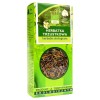
- Loose dried leaf: an organic nettle leaf from Dary Natury in a 500g pack suits anyone who brews by the pot.
- Teabags and pyramids: a 25g box or a set of pyramid sachets keeps a single cup quick and tidy.
- A hibiscus, nettle and liquorice blend from Clipper: nettle sits alongside tart hibiscus for a fruitier, ruby-coloured cup.
- Pressed nettle juice: a not-from-concentrate juice made from fresh nettle herb, meant to be diluted.
That pressed option, an organic nettle juice from Bio Planet, has a sharp, green taste, and as the label suggests it is taken in a small measure of about 50 ml before a meal, diluted with water. If you like exploring past tea, you will also find it among the other healthy juices in the shop.
Nettle tea in your daily routine: where to start
Start by treating nettle tea as your caffeine-free cup for the afternoon or evening, brewed the same way each time so it becomes second nature.
We usually suggest keeping a pack of dried leaves or a box of bags within easy reach, and pairing the cup with lemon or honey until you land on a taste you enjoy. Once the method feels automatic, exploring the wider shelf of herbal teas comes naturally, and you will soon know which flavours you return to most.
Take a look at the nettle options at 4ecoshop, choose a format that suits your routine, and brew your first pot with confidence!
Frequently Asked Questions about nettle tea
Is nettle tea good for you?
Nettle tea fits into a varied diet as a simple, caffeine-free swap for your usual cup, not a stand-in for a balanced diet on its own. Pair it with plenty of fruit, vegetables and wholegrains, and a daily cup adds little beyond a pleasant drink you enjoy.
What does nettle tea taste like?
Steep it lightly and it tastes close to a delicate green tea; leave the leaves in for the full ten minutes and it turns more savoury, close to a light vegetable broth. Many people warm to the taste after a few cups.
Is stinging nettle the same as the nettle used for tea?
Every pack of nettle tea starts with Urtica dioica, the same stinging species, so the Latin name on the label is the quickest way to check what you are buying. The white dead-nettle that looks so similar in gardens is a different, unrelated plant and is not the nettle used for this tea.
When is the best time to drink nettle tea?
Because it takes about ten minutes to steep, nettle tea suits a slower moment rather than a rushed exit out the door. A mid-morning break or a quiet stretch after dinner works better than drinking it on the go.
What are the benefits of nettle tea for women?
Nettle tea is the same caffeine-free herbal drink whoever is pouring it, and it is not aimed at any one group. Traditionally it has simply been enjoyed as an everyday infusion, and any nutrients come from the same leaves described above.
Is nettle tea good for your hair?
Nettle tea is simply a drink, so it is best thought of as a pleasant caffeine-free cup and nothing more. If you enjoy the flavour, it can sit in your daily routine like any other herbal tea.