 SAME DAY DISPATCH; ORDER BY 2PM
 SECURE PAYMENT
  4.8/5 RATING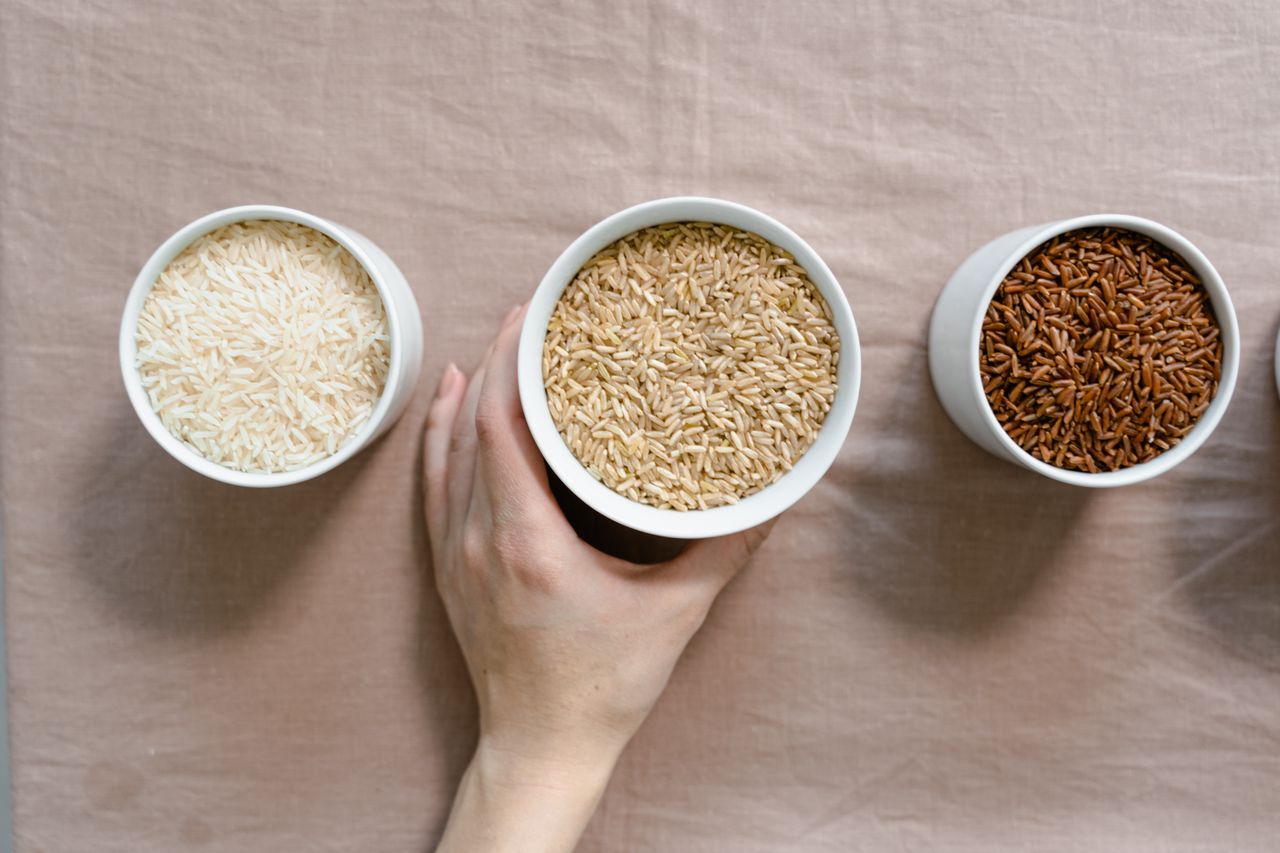
Which rice is healthiest? Wholegrain, brown and organic compared
There is no single healthiest rice that suits every plate and every cook. Wholegrain types such as brown, red and wild rice usually keep more fibre and minerals than polished white rice, yet the best choice depends on the dish, the portion and how you cook it. Read on to see how brown, wholegrain and organic really differ, and which grains earn a place in your cupboard.
Rice at a glance:
- No universal winner: wholegrain rice usually offers more nutrients, but the right choice depends on the meal and your routine.
- Brown over white for fibre: keeping the bran and germ means more fibre and minerals than polished white rice.
- “Organic” is about farming: it certifies production standards, not grain type, glycaemic index or nutrition.
- Variety matters: rotating grains keeps meals interesting and spreads out naturally occurring substances such as arsenic.
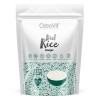
- Easy everyday choice: our Healthy Rice range at 4ecoshop gathers wholegrain, organic and speciality types in one place.
What makes rice healthy?
Rice becomes a healthier choice mainly through how much of the whole grain it keeps, and the bran and germ carry most of the fibre, B vitamins and minerals that milling strips out of white rice. You will find a broad selection of rice varieties in our range.
Is brown rice healthier than white rice?
Brown rice is generally more nutritious than white rice because it keeps the fibre-rich bran and the germ. White rice is polished until those layers are removed, leaving a softer texture but less fibre and fewer minerals.
Brown rice vs white rice: key nutritional differences
The clearest gap comes from what milling removes, since brown rice keeps the bran and typically supplies more fibre gram for gram.
Three nutrients show the gap most clearly:
- Fibre: the bran stays on the grain, so a serving of brown rice usually gives more.
- Magnesium: brown rice tends to hold more than polished white rice.
- B vitamins: much of the grain's supply sits in the layers milling strips away.
Exact figures vary by product, so check the pack when comparing closely.
Is brown rice the same as wholegrain rice?
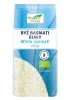
Yes, brown rice is a type of wholegrain rice, because it keeps the whole kernel including the bran and germ. Labels can be confusing, as “basmati” describes an aromatic rice type rather than a milling level, so basmati can be brown (wholegrain) or white (polished). If you want the wholegrain benefits, look for “wholegrain” or “brown” on the pack, and browse our wider selection of whole grain foods.
Is wild rice healthier than brown rice?
Wild rice and brown rice are both nutritious wholegrains, and neither is automatically healthier than the other. Wild rice is actually the seed of an aquatic grass rather than true rice, and it is naturally high in fibre and protein.
Why choose red or black rice?
Red and black rice keep a pigmented bran layer that contains phenolic compounds, giving them their deep colour and a nuttier flavour. A deeper colour does not guarantee a specific health effect, so enjoy them for their look and taste.
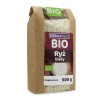
Is organic rice different from regular rice?
Organic rice is grown and processed to certified organic standards, and in GB that label generally needs certification and at least 95% organic agricultural ingredients.
What the certificate does not tell you:
- Not always wholegrain: organic rice can just as easily be polished white rice.
- Not a lower glycaemic index: certification says nothing about how the grain behaves once cooked.
- Not more nutritious by default: that depends on the grain and the milling, not the farming method.
Organic certifies production standards, not grain type or nutrition, so check the grain and nutrition information separately.
Which rice has the lowest glycaemic index?
No rice has a single fixed glycaemic index, because the figure changes with the variety, the milling, the cooking time and even cooling after cooking. Some wholegrain and higher-amylose varieties tend to test lower than very soft, quick-cook white rice, but results vary between products and studies.
Which rice should you choose for everyday cooking?
For everyday cooking a reliable all-rounder is wholegrain brown rice, which balances nutrition, flavour and a reasonable cooking time.
The main types compare like this:
As a health-food shop, we keep a range of grain products so you can rotate types and keep everyday meals varied.
What are healthy alternatives to rice?
Healthy alternatives to rice include wholegrains and pseudo-grains such as buckwheat, quinoa, bulgur and barley, which add fibre and variety. These swaps change the flavour and texture of a dish while keeping it filling, and most cook in similar ways to rice. Our buckwheat groats are a popular starting point if you want a naturally gluten-free, nutty option.
What is konjac rice?
Konjac rice is a rice-shaped alternative made from glucomannan, a fibre from the konjac plant, rather than a true rice variety. It is very low in calories and carbohydrates, with a soft, slightly springy texture that soaks up sauces well. Formulations differ, so check the label for the exact composition and cooking method.
The bottom line on healthy rice
The healthiest rice is the one that fits your plate, your budget and how you like to cook, with wholegrain types offering more fibre and minerals overall. Rotating brown, red, wild and the occasional white rice keeps meals interesting and your nutrients varied. Explore our Healthy Rice range at 4ecoshop to compare wholegrain, organic and speciality options, and stock your cupboard with grains you will actually enjoy!
Frequently Asked Questions about healthy rice
Is rice gluten-free?
Plain rice is naturally gluten-free, but processed or flavoured rice products can pick up gluten through cross-contact, so check the label. A GB “gluten-free” claim means the product contains no more than 20 mg/kg of gluten.
Is basmati or jasmine rice healthier?
Neither is clearly healthier, as both are usually sold as white, aromatic rice, so a wholegrain brown version of either offers more fibre. Choose based on flavour and the dish, and pick brown basmati if you want the wholegrain option.
Does brown rice take longer to cook than white rice?
Yes, brown rice usually takes longer, often around 25 to 35 minutes against 10 to 15 for white rice, because the bran layer slows water absorption. Soaking it beforehand can shorten the cooking time.
Should you rinse rice before cooking?
Rinsing rice removes surface starch for a less sticky result and is a sensible habit, though it does not make rice arsenic-free. Follow the pack instructions and use plenty of water for cooking.
Can you eat rice every day as part of a balanced diet?
Rice can be eaten daily as part of a varied, balanced diet, as long as portions stay moderate and the rest of the plate carries vegetables, pulses or protein. This keeps rice a supporting ingredient rather than the whole meal.
How should you store rice at home?
Store dry rice in an airtight container in a cool, dark cupboard to keep it fresh. Cool cooked rice within one hour, refrigerate it, eat it within 24 hours and reheat it only once.