 SAME DAY DISPATCH; ORDER BY 2PM
 SECURE PAYMENT
  4.8/5 RATING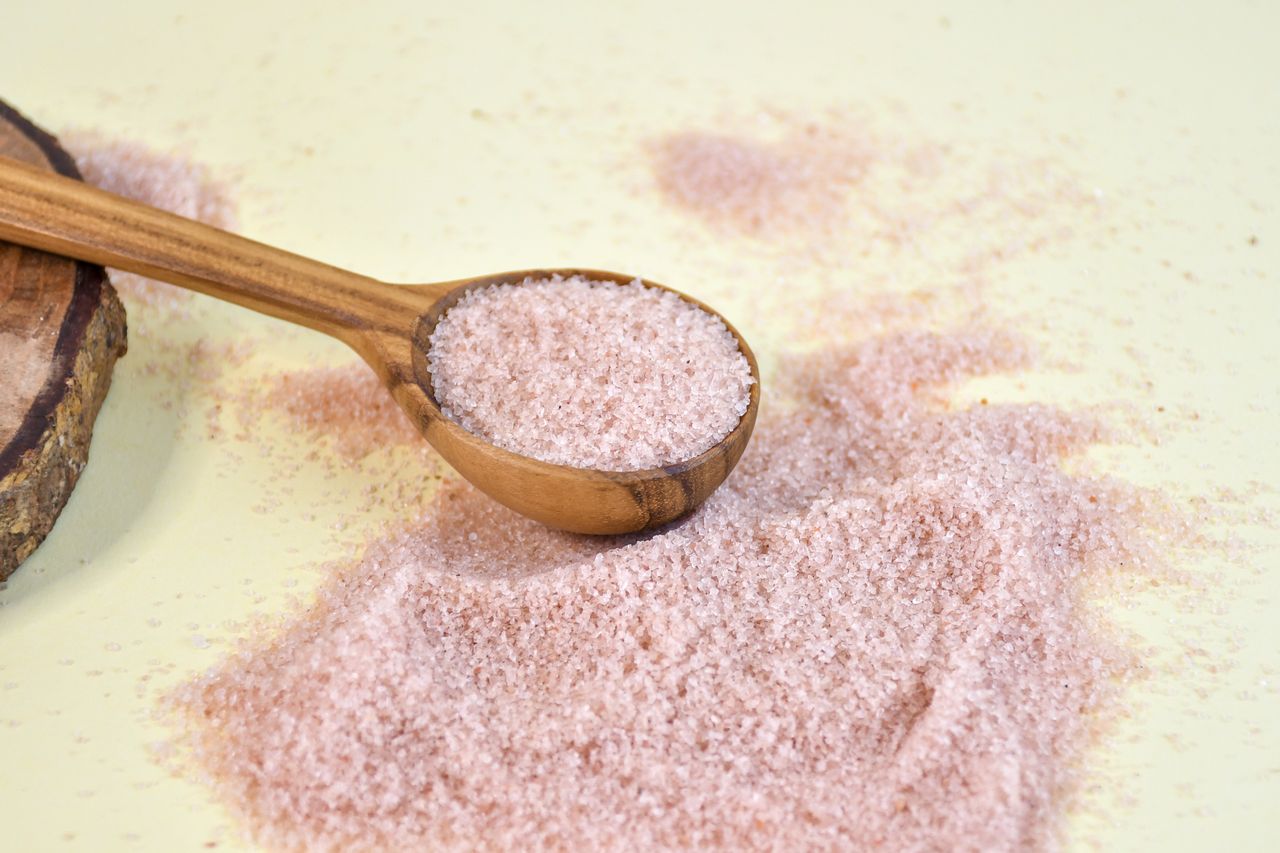
Is rock salt better than table salt? Unrefined salts explained
Rock salt is not meaningfully healthier than ordinary table salt: both are largely sodium chloride, and the differences that matter in the kitchen come down to crystal size, flavour and how the salt behaves in the pan. Unrefined salts such as Klodawa, Himalayan pink and coarse sea salt carry small amounts of other minerals, but those traces shift colour and taste far more than nutrition. In the UK, most rock salt is also non-iodised, so iodine is a separate choice to check on the packet. This guide compares the main types and shows which to reach for, from a slow brine to a final pinch, so you season more precisely without reaching for the shaker more often!
Key takeaways:
- Mostly the same salt: rock, sea and table salt are all mainly sodium chloride, so none is a genuine health upgrade.
- Minimal processing only: “unrefined” tells you a salt is lightly processed, not that it is purer, iodised or healthier, so read the label.
- Coarse or fine is a cooking choice: coarse crystals suit grinders, brines and crusts, while fine salt dissolves fast for baking and everyday seasoning.
- Iodine is separate: most rock salt is not iodised, so look for iodised salt by name if you want it.
- Plenty of unrefined options: our healthy salts range spans coarse and fine crystals, from Polish Klodawa to Himalayan pink.
What is rock salt?
Rock salt is salt mined from underground deposits of halite, the mineral form of sodium chloride left behind by ancient seas. It is the same basic compound as table salt, only extracted as crystals from rock rather than crystallised from brine. In the kitchen it is valued for its clean flavour and for its range of crystal sizes, which is why it anchors the wider family of unrefined salts worth keeping in the cupboard.
How is rock salt different from table salt?
The main differences are processing, crystal size and added iodine, not the underlying nutrition:
- Processing: table salt is refined into fine, uniform grains and often carries anti-caking agents, while rock salt is minimally processed.
- Crystal size: coarser rock crystals dissolve more slowly than fine table grains.
- Iodine: in some countries table salt is fortified with it, whereas rock salt usually is not.
At the table you mostly notice texture and how fast the salt dissolves, and there is no real health advantage of one over the other.
What does unrefined mean on a salt label?
On a salt label, “unrefined” usually signals that the salt has had minimal processing and keeps more of its natural crystal structure. It does not, on its own, certify the origin, purity or iodine content, and it is not a promise that the salt is better for you. Check the ingredients and the food-use statement on the pack for the specifics that actually matter.
Is rock salt the same as sea salt?
Rock salt and sea salt are not the same, even though both end up as edible crystals. Rock salt is mined from underground deposits, while sea salt is made by evaporating seawater. That difference in source shapes the crystal form and the trace elements each one carries, though both are still overwhelmingly sodium chloride. Nutritionally they are much the same.
What is Klodawa salt?
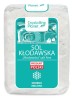
Klodawa salt is a Polish mined salt from the Klodawa salt dome in central Poland, where thick underground deposits formed from ancient evaporated seas. It is valued for its origin, crystal form and clean, savoury character in cooking, not for any special health effect. For everyday cooking, reach for Klodawa coarse rock salt.
Is Himalayan pink salt a rock salt?
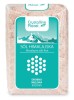
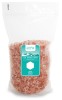
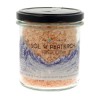
Yes, Himalayan pink salt is a type of rock salt. It is mined from ancient deposits and takes its rosy colour from tiny amounts of iron and other minerals in the crystal. Those traces give it its look and a mild flavour, but they do not make it more nutritious than a plain white rock salt. If you like its colour, Himalayan pink salt is easy to keep alongside the others.
The main types compare like this:
Crystal size and the dish matter more here than the name on the packet.
When should you use coarse salt in cooking?
Reach for coarse salt when you want slow, controlled seasoning, such as in grinders, brines, salt crusts and finishing just before serving. Coarse crystals dissolve slowly and give a pleasant crunch on finished dishes like bread, roast vegetables or grilled meat. Because coarse crystals pack loosely, measure by weight rather than by spoon when a recipe matters, and pick a food-grade coarse salt.
When is fine salt a better choice?
Choose fine salt when you need it to dissolve quickly and evenly, such as in baking, dough, sauces and everyday seasoning at the stove. Its small grains spread fast and blend without gritty spots, which is exactly what a cake batter or a smooth sauce needs. For those jobs a fine unrefined salt is easier to work with than large crystals.
Does rock salt contain iodine?
Rock salt does not naturally contain useful amounts of iodine, and most rock salt is not iodised either. In the UK, added iodine is uncommon across table, sea and rock salts, so you cannot tell from the name or the colour whether a salt is iodised. If you specifically want iodised salt, choose it by name from the ingredients or product title on the pack.
A balanced approach to salt in your kitchen
Whichever type you prefer, the healthiest habit is to use all salt in moderation as part of a balanced diet. UK guidance is to keep total salt to no more than 6 g a day from all sources, and switching to rock or Himalayan salt does not change that, since the sodium is much the same. Let good ingredients do more of the work.
Whichever crystal you reach for, we keep a broad choice of unrefined salts in our healthy salts range, so you can match the salt to the dish and season with confidence!
Frequently Asked Questions about rock salt
Is rock salt edible straight from the packet?
Rock salt is edible straight from the packet only when it is sold as food or for culinary use. Salt sold for de-icing, dishwashers or bath products is not food-grade and should never go near cooking, so always look for clear food-use labelling before you reach for it.
Can you use rock salt in a salt grinder?
Yes, dry coarse rock salt works well in a salt grinder, as long as the crystals are hard and free-flowing. Damp or very fine salt tends to clog the mechanism, so keep the salt dry and choose crystals sized for grinding rather than fine table salt.
How should you store rock salt at home?
Store rock salt in a sealed, dry container away from steam and humidity, which is the main thing that affects it. Moisture makes the crystals clump together, but it does not spoil the salt, so a tight lid and a dry cupboard keep it pouring freely.
Does rock salt expire?
Rock salt does not really expire, and cooking salt is legally exempt from a use-by date. It does not normally become unsafe to eat, though damp can make it cake, so store it dry and follow any date printed on the packet.
Is black salt (Kala Namak) also a rock salt?
Black salt, or Kala Namak, is a rock-salt-derived seasoning rather than plain rock salt straight from the ground. It is usually kiln-fired and processed with other ingredients, which gives it a distinctive sulphurous, savoury aroma often used in vegan and South Asian cooking. Treat it as its own flavouring rather than a direct swap for everyday rock salt.