 SAME DAY DISPATCH; ORDER BY 2PM
 SECURE PAYMENT
  4.8/5 RATING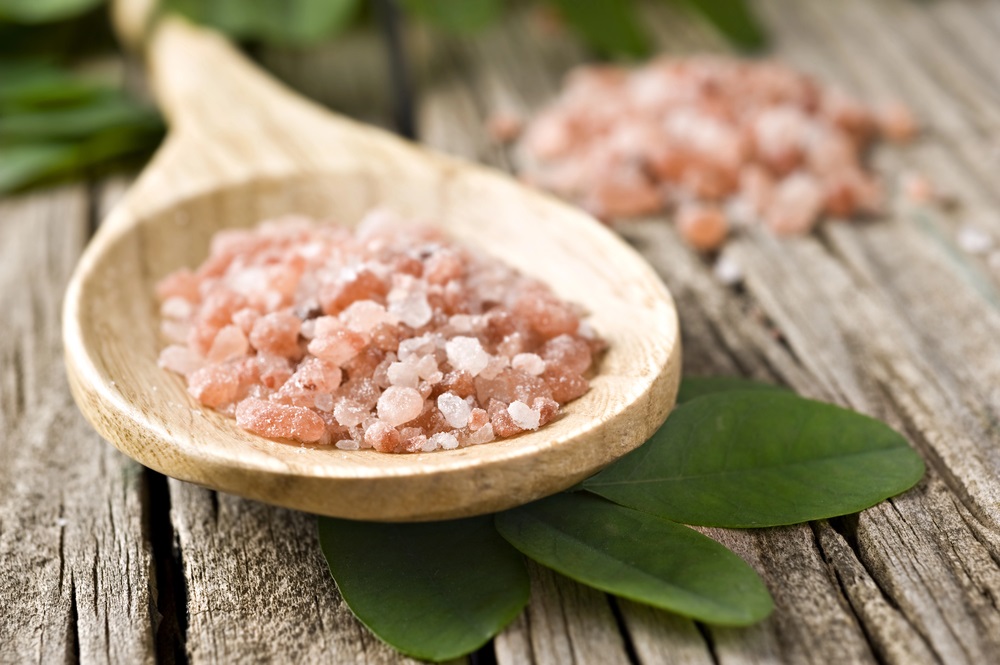
Is Himalayan salt different from other salts?
Three salts can end up in one dish: pink crystals, white flakes and coarse grey grains, each with a different geography behind it. Himalayan salt is mined rock salt that comes out of the Salt Range in Pakistan. Sea salt comes from evaporated seawater, and ordinary rock salt is dug from other deposits entirely. Read on to find out how the three types compare with one another, and where iodine fits into the picture!
Key takeaways:
- Mined rock salt: it is halite from an ancient underground deposit, so it reaches the kitchen as a hard crystal.
- Colour comes from minerals: iron oxides and other natural impurities give the pink shade, and a deeper tone says nothing about quality.
- Grain decides the job: fine salt dissolves quickly, coarse crystals suit a mill or a brine, and flakes finish a plate.
- Collect it when it suits you: our InPost Lockers option gives you 24/7 pick-up in England, Scotland and Wales.
Where does Himalayan salt come from?
Pakistan is the source: the deposits lie in the Salt Range of Punjab, and the Khewra mine is the site most often named on packaging. Geologically Himalayan salt is halite, the same mineral as the rock salt dug in European mines, left behind when an ancient sea dried out, which is why it reaches the kitchen as a hard crystal broken down to size.
Here is what our 1 kg coarse pack declares:
- Composition: 100% Himalayan pink salt, coarsely ground and unrefined.
- Additives: none, so there are no anti-caking agents in the bag.
- Net weight: one kilogram, which lasts a long time in an average kitchen.
- Storage: a dry, cool cupboard keeps the crystals loose.
Our Himalayan salt coarse 1 kg from Crystalline Planet gives Poland as the country of production, and that entry names the plant that ground and filled the bag, while the deposit itself stays under the Salt Range.
Why is Himalayan salt pink?
The colour comes from mineral impurities trapped in the crystal as it formed, iron oxides above all. Iron gives the whole range, from barely blushed to deep red, and the exact shade depends on the seam a particular batch was cut from.
A darker crystal is not a better one. Shade tracks local geology and says nothing about purity or grade, and two bags from the same mine can differ by eye. Whatever the tone, the differences you can actually taste come from grain size and from the way the salt lands on food.
Does Himalayan salt contain iodine?
Packs of pink salt are normally sold as non-iodised, which means iodine was not added during processing. Iodised table salt carries iodine as a deliberate fortification, and a coarse, unrefined product usually skips that step. Naturally occurring trace elements vary between deposits, so „non-iodised” describes what was left out of the process, not a measured content.
In our healthy salts range the wording sometimes sits in the product name itself, as with Klodawska Salt Coarse Unrefined, Non-Iodized 1kg from Crystalline Planet. A statement like that belongs to that one product, which is the level at which the answer exists: one pack, one ingredients list, and no shelf-wide rule.
Himalayan salt, sea salt and rock salt compared
Source, processing and crystal shape are what separate them, while sodium chloride stays the main constituent of all three. Himalayan salt is mined and sold unrefined, sea salt is produced by evaporating seawater and often arrives as flakes or damp crystals, and Klodawska salt comes from a Polish deposit and is offered both coarse and finely ground.
In the kitchen the question narrows to one thing: is Himalayan salt different in a way that changes a recipe? By weight the three are broadly comparable; by the spoonful they are not, because crystal size decides how much fits in the measure. Unrefined salt also keeps whatever trace elements its deposit left behind, and those vary from seam to seam, so one bag is never a rule for the next.
Which grind works for which dish?
Fine salt goes wherever it has to dissolve, coarse crystals belong in a mill or a brine, and flakes land on a finished plate. The reason is mechanical: a small grain dissolves quickly and spreads evenly through a mixture, while a large one holds its shape long enough to be released slowly.
This is where each grind earns its place:
- Fine grind: reach for it in baking, brines and sauces, where the salt has to vanish into the mixture.
- Coarse crystals: keep them for the mill and for wet cures, where a slow release is the whole point.
- Flakes: scatter them at the table, on tomatoes, grilled meat or buttered bread, for texture as much as for seasoning.
Coarse Himalayan salt earns a mill of its own, standing next to the spices and dried herbs you already grind fresh.
Salt in the kitchen: what to remember
A kilogram of salt stays in the kitchen for months, and the label asks for a dry, cool spot. Give the coarse crystals a mill of their own, keep flakes for the last second, and season in moderation as part of a balanced diet. Choose the grind that matches how you actually salt, straight from our salt range!
Frequently asked questions about Himalayan salt
Is Himalayan salt saltier than table salt?
No, and the trap is in the measuring spoon: swapping fine table salt for coarse pink crystals in a recipe measured by volume leaves the dish under-seasoned, because fewer grams fit into the same spoon.
Why is Himalayan salt not iodised?
You can read it off the pack: added iodine is declared in the ingredients list, so a product that does not name it there was not iodised. Salt that was iodised has to say so, so the absence of that entry is itself the answer.
Can you use pink salt in baking?
Yes, provided you weigh it or use a fine grind, since coarse crystals may not dissolve fully during a short bake and can leave salty spots in the crumb.
Does Himalayan salt expire?
Dry salt is chemically stable and does not spoil, though moisture, added ingredients and packaging can affect its quality, so check the best-before date printed on the pack you have.
What is the difference between flakes and coarse salt?
Flakes are thin, irregular plates that melt the moment they touch a warm surface, while coarse salt is a dense crystal that holds its shape and needs a mill or moisture to break down.