 SAME DAY DISPATCH; ORDER BY 2PM
 SECURE PAYMENT
  4.8/5 RATING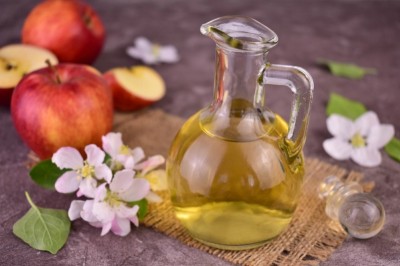
How is vinegar made? Types, uses and how to choose one
Pour out the last of a cider vinegar bottle and a cloudy, jelly-like disc often comes with it, close enough to mould that most of it ends up down the sink. That is a mother of vinegar, a film of bacterial cellulose and the plainest sign of how vinegar is made. It need not be there, since filtered and pasteurised bottles are vinegar just the same. What follows is the process itself, and which vinegar suits which dish.
Key takeaways:
- Two fermentations, one bottle: yeasts make the alcohol first, then acetic-acid bacteria convert it into acetic acid.
- The base names the vinegar: wine vinegar comes from wine, cider vinegar from apples, spirit vinegar from agricultural alcohol.
- Gluten follows the base: malt vinegar is brewed from barley, so the category alone never settles the question.
- Diet markings on our listings: listings show V, GF and BIO next to the products that carry them, so a vinegar that fits a gluten-free diet is visible from the list, before you open its product page.
- Acidity is a percentage: the figure on the label describes acid content and cannot be read as a pH value.
What is vinegar made of?
Every bottle starts from something that ferments: fruit, grain, cane sugar or a liquid that already contains alcohol. So what is vinegar made of? Two things at once: the base decides the flavour, the bacteria decide the sharpness. Acetic acid is the component that makes the result sour, and its share is what the percentage on a label describes.
In practice, grapes, apples, malted barley, rice and diluted agricultural alcohol all end up in bottles standing next to each other. Acidity and pH are not interchangeable readings: a 5% declaration tells you how much acid the liquid contains, not what a pH strip would show.
How is vinegar made? Fermentation step by step
Production runs as two separate fermentations, carried out by two different groups of microorganisms. In the first, yeasts consume the fermentable sugars in the base and produce ethanol, the same step that turns grape juice into wine and apple juice into cider. Temperature and time matter here, because the alcohol level entering the second stage sets the acidity coming out of it.
On an industrial scale, air is pushed through the liquid so the bacteria work throughout the tank, while traditional methods let the same reaction run slowly at the top of an open barrel.
From alcohol to acetic acid
Acetic-acid bacteria take over as soon as alcohol is present, oxidising ethanol through acetaldehyde into acetic acid. This stage cannot run without oxygen, which is why vinegar vessels are covered with a cloth rather than sealed tight.
Types of vinegar and what each one is for
Most types of vinegar are named after the liquid they were made from, which makes the ingredient list more useful than the front label. Read it and the bottle names its own base, whether that is wine, apples or alcohol from grain.
Spirit, wine, cider and balsamic
Spirit vinegar is built on distilled alcohol, so it is sharp and neutral. Wine vinegars carry the character of the wine behind them, while apple cider vinegar keeps a fruity note. Traditional Balsamic Vinegar of Modena PDO is made from cooked grape must that goes through alcoholic and acetic fermentation and is then aged, so a PDO bottle and an everyday balsamic are different products. Wine, cider and balsamic vinegars sit together in the sauces and vinegars category.
The base sets the character of each bottle:
Malt vinegar is the one type that stands apart for a single reason: it is brewed from barley, which brings us to the gluten question.
Is spirit vinegar gluten-free?
Spirit vinegar is normally produced from agricultural alcohol rather than from a gluten-containing cereal, so it usually suits a gluten-free diet, though the label settles it and never the category. In Great Britain „gluten-free” is a regulated claim: the food as sold must contain no more than 20 mg/kg (20 ppm) of gluten. Malt vinegar is the exception, because barley is a gluten-containing cereal and fermentation alone is not proof that the finished vinegar sits under that limit.
Sometimes a producer puts the declaration straight into the name of the product. The Organic Gluten-Free Spirit Vinegar 10% from Bio Food shows what that looks like on a label: one ingredient, organic spirit vinegar, an acid concentration declared at 10% and Poland as the country of manufacture. For a whole basket rather than a single bottle, the gluten-free foods category gathers products declared this way in one place.
How do you make vinegar at home?
Home vinegar starts with an alcoholic base left in contact with air until the bacteria finish the job. The „mother” that forms on the surface is a bacterial-cellulose film, not a compulsory ingredient, and filtered or pasteurised vinegar is still vinegar.
A batch at home needs a few conditions in place:
- An alcoholic base: cider, wine or a diluted spirit gives the bacteria the ethanol they work on.
- Air flow: the vessel is covered with cloth so oxygen reaches the surface while insects stay out
- Non-reactive equipment: glass, glazed ceramic or food-grade plastic, since acid attacks bare metal.
- Time in a stable spot: a warm, dark place lets both stages finish without stalling.
One limit matters more than the rest: the acidity of a homemade batch is not standardised, so it belongs in dressings and marinades. For preserving recipes that call for vinegar of a specified strength, and for pickles that will be stored, use a commercial bottle with the acid concentration printed on it.
What is vinegar used for beyond salad dressing?
Acidity is a working ingredient, so vinegar earns its place well beyond the salad bowl. It seasons marinades, sets the sharpness of pickles, lifts a pan sauce after roasting and reacts with bicarbonate of soda in baking.
Around the kitchen it does a few different jobs:
- Pickling and preserves: a vinegar of declared strength keeps the acidity of the jar predictable.
- Marinades: acid works on the surface of meat, fish and vegetables before they meet the heat.
- Dressings and sauces: a spoonful balances oil, sweetness and salt in the same bowl.
- Descaling at home: diluted spirit vinegar dissolves limescale on kettles and taps.
Vinegar also works quietly inside other products: it balances sweetness and helps preserve many shop-bought condiments, which is why it appears in the ingredient lists of most ketchups. Recipes vary, though, and a vinegar-free ketchup for children sits on that same shelf.
Choosing vinegar: what to remember
The base, the declared acidity and the dish in front of you narrow the choice quickly. The ingredient list gives the honest answer, and a single-ingredient bottle is the easiest to place in a recipe. Compare the labels in our sauces and vinegars, check the acidity and the diet markings, and pick the bottle that matches what you are cooking this week!
Frequently asked questions about how vinegar is made
What is vinegar made from?
The first entry on the ingredient list is the base. Flavoured versions list additions such as fruit or herbs after the vinegar itself, so the order tells you what came first.
Where does vinegar come from?
Geographically it comes from wherever the base was fermented and bottled, and packs state that as the country of manufacture; the Bio Food spirit vinegar, for instance, is made in Poland.
Is all vinegar gluten-free?
No, malt vinegar is brewed from barley. British labelling also allows a separate „very low gluten” category of up to 100 mg/kg, which is a weaker claim than gluten-free.
What is the difference between spirit vinegar and cider vinegar?
Beyond the base, the practical difference is strength: cider vinegars on the shelf are commonly declared at 5%, while spirit vinegar is also sold in stronger versions, including a 10% bottle.
How long does opened vinegar keep?
No single expiry covers every bottle, so follow the storage line on the label, which for the Bio Food spirit vinegar means a dry, cool place and 4°C after opening.