


 SAME DAY DISPATCH; ORDER BY 2PM
 SECURE PAYMENT
  4.8/5 RATING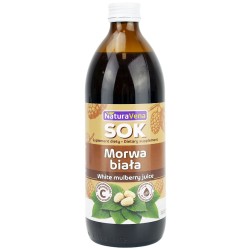
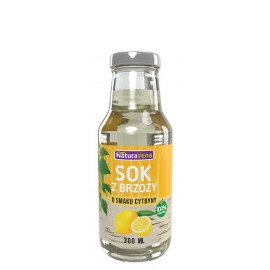
* with added vitamin C
* ready to drink
* white mulberry leaf juice

* 100% NFC juice
* Naturally tart
* Certified product

- V
- GF
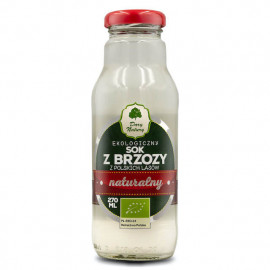
* Natural pickle juice
* Source of natural electrolytes
* Low calorie

- Bestseller
- V
- GF
* Natural pickle juice
* Source of natural electrolytes
* Low calorie

- Bestseller
- V
- GF
* Natural pickle juice
* Source of natural electrolytes
* Low calorie

- Bestseller
* NFC juice, not from concentrate.
* Certified product
* Naturally beet flavor
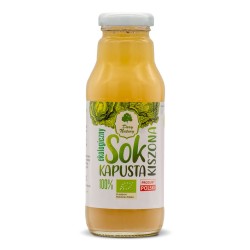
* Naturally fermented
* Certified product
* Supports digestion

- Bestseller
* BIO product
* Natural fermentation
* Intense flavor
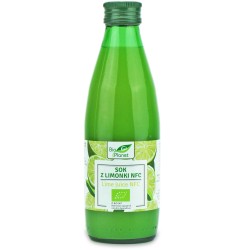
* 100% Lime
* Natural acidity
* Certified BIO product
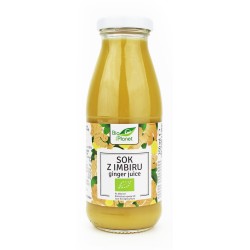
* 100% ginger juice
* Source of antioxidants
* Certified BIO product
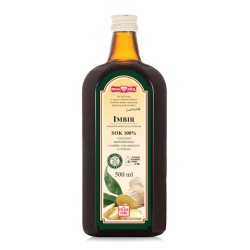
* Supports immunity
* Source of antioxidants
* Certified product
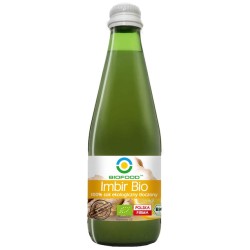
* Supports immunity
* Source of antioxidants
* Certified product
- V
- O
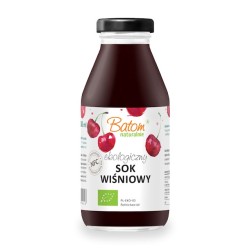
* 100% pressed juice
* Intense cherry flavor
* Certified product
- Bestseller
* Supports digestion
* Rich in vitamins
* Supports a healthy diet
- Bestseller
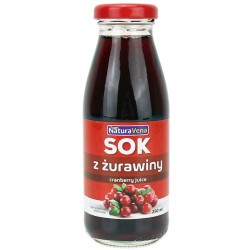
* Slightly tart, refreshing taste
* Supports cardiovascular system and heart
* Organic product
* Naturally sweet
* Ready to drink
* Certified product
- Bestseller
- V
- SF
* Rich in vitamin C
* Supports the immune system
* Pleasant, fruity taste
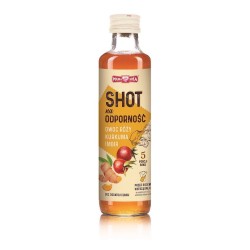
- Bestseller
* Natural immunity booster
* Rich in vitamin C
* Supports body recovery
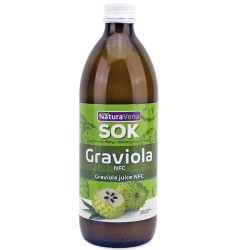
- Bestseller
* Supports digestion
* Rich in vitamins
* Supports a healthy diet
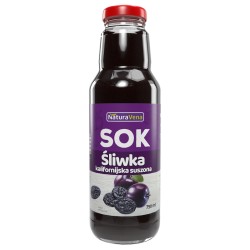
* Supports digestion
* Rich in vitamins
* Supports a healthy diet
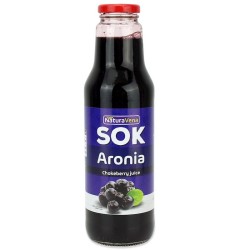
- Bestseller
* Rich in vitamin C
* Great for children and adults
* Ideal for drinks and desserts
- Bestseller
* High vitamin C content
* Distinctive, slightly tart flavor
* Vegan product
- Bestseller
- V
* Organic product
* Supports the immune system
* Supports collagen production
- Bestseller
- V
* Rich in vitamin C.
* It has an alkalizing effect on the body.
* Great base for lemonades.
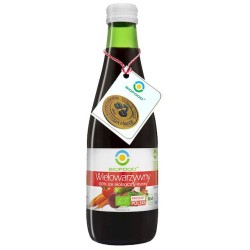
- Bestseller
- V
- GF
* Contains natural probiotics.
* Source of antioxidants.
* Improves digestion.
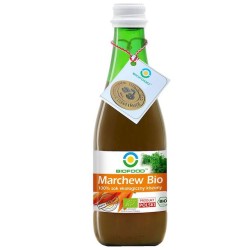
- Bestseller
- V
- GF
* Organic product.
* Supports the digestive system.
* Contains antioxidants.
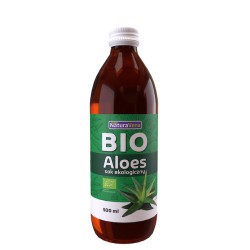
- Bestseller
- V
*Organic product.
* Anti-inflammatory effect.
* Helps maintain proper hydration levels.

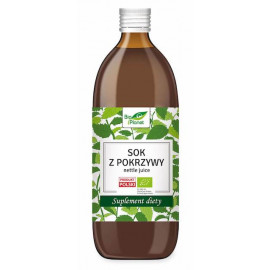
- Bestseller
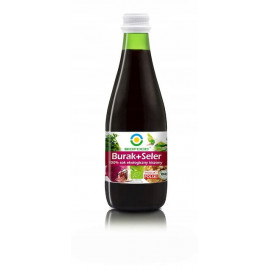
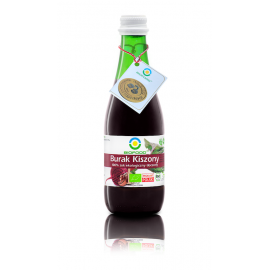
Organic sour beetroot juice 300ml Bio Food, natural source of vitamins and..
- Bestseller
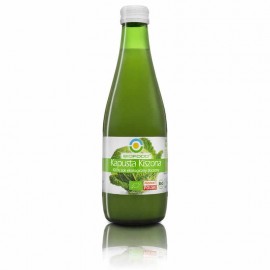
Sauerkraut Juice 300ml Bio Food, natural ant...
- Bestseller
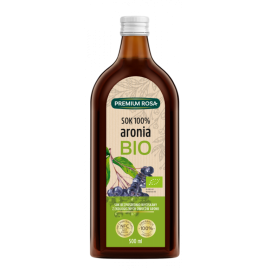
Chockeberry and its properties cannot be overestimated, it delays the aging process, strengthens immunity .
- Out-of-Stock
- V
- GF
* Contains potassium, supporting normal blood pressure.
* Supports maintaining a healthy weight.
* No refrigeration required before opening.
Healthy juice
In our healthy juice range the fruit and vegetables are pressed and bottled with nothing but the juice. That short recipe is the point: no added sugar and, on many bottles, not from concentrate. Flavours run from bright raspberry and sharp lemon to earthy beetroot, with plenty more fruit and vegetable pressings alongside. Start with the range below and pick the press that suits your taste!
What makes a juice a healthier choice
A healthier juice comes down to the ingredient list, not the front-of-pack wording: 100% fruit or vegetable juice with no added sugar is the cleanest choice. Its sugars are naturally occurring, so a small glass makes more sense than a large one.
Browse healthy juice by type
We group the healthy juice on this page by flavour, so you can shop by taste: bright and fruity, or savoury and earthy.
Fruit juices (raspberry, lemon and more)
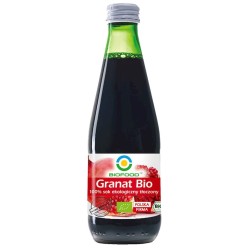
These are the easy-drinking bottles. Raspberry juice is bright and lightly tart, full of ripe berry flavour, while lemon juice is sharp and citrus-led, better cut with water or stirred into a drink than sipped neat. The range runs wider too, from cherry and pomegranate to darker, sharper pressings like chokeberry. The same fruit fills our healthy jams, so a flavour you like in the glass suits your toast too.
Vegetable and fermented juices (beetroot and more)
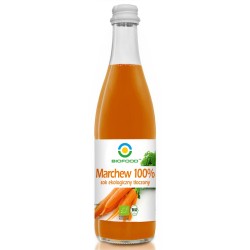
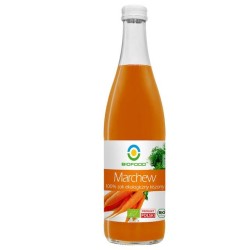
Beetroot juice is the anchor here: deep ruby-red, earthy and lightly sweet from the root itself. Alongside it sit other savoury pressings such as carrot and celery, plus tangy fermented options like sauerkraut juice. These reward a small glass and work well cut with water or a little fruit juice, or stirred into a smoothie rather than drunk neat. Like the fruit bottles, they are pressed, not-from-concentrate juices with nothing added to sweeten them.
How to drink pressed juices (dilution & serving)
Serving matters: a pressed juice is concentrated, so how you pour it counts as much as which bottle you pick. Three habits keep every glass right: dilute the sharp ones, since lemon and beetroot both soften with a little water; keep the glass small, because a modest serving suits these concentrated pressings; and drink it with food, as a glass alongside a meal sits better than one on its own. At breakfast that could be a small glass beside porridge or a bowl of low sugar cereal; either way, follow the serving note on the label.
No-added-sugar juices vs juice drinks
The difference shows up on the ingredient list. A no-added-sugar juice is pressed fruit or vegetables with nothing added to sweeten it, but it still holds naturally present sugars. A juice drink is another thing: often mostly water, with a little juice plus sweeteners or added sugar.
For the cleaner glass, check the pack for a high juice content and no added sugar. A healthy juice is really the produce and little else, and that short-label thinking carries across the shop to our healthy snacks and sweets.
Frequently asked questions about healthy juice
Do these juices contain added sugar?
Only what is naturally in the fruit – nothing is added during pressing, in the same way a ripe apple or grape already contains sugar. That is also why the label reads “no added sugar” rather than “sugar-free”: the two are not the same.
What does beetroot juice taste like?
It is earthy and lightly sweet rather than sharp, with the deep, mineral note of raw beetroot. Most people cut a small measure with water or a little fruit juice, or blend it into a smoothie rather than drink it neat.
How much pressed juice should I drink a day?
A small glass is plenty. Unsweetened juice counts once towards your five a day, and the guidance is to keep the combined total near 150 ml a day.
Are your juices pasteurised or raw?
It varies by product, so check the label rather than assume. Many bottled juices are pasteurised, but not all, and raw juices need extra care for young children, pregnant women or anyone with a weakened immune system.