 SAME DAY DISPATCH; ORDER BY 2PM
 SECURE PAYMENT
  4.8/5 RATING
  do codziennej diety.jpg)
How to add psyllium husk to your everyday diet
The simplest way to add psyllium husk to your everyday diet is to stir a small amount into a full glass of water and drink it straight away, then build from there. Many people buy a tub, use it once, then leave it at the back of the cupboard, unsure what to do next. This guide walks through the practical ways to use it day to day, from a morning glass of water to smoothies, breakfasts and gluten-free baking. Read on for a simple starting plan you can follow from your very first week!
Start here with psyllium:
- Start small and slow: begin with a small amount once a day and always follow the label.
- Water is not optional: take each serving with a full glass of water and drink it promptly.
- Whole husks or capsules: choose by texture and convenience; powder is the same fibre, more common elsewhere.
- A source of soluble fibre: it absorbs liquid and forms a thick gel, which also makes it useful in baking.
- Check the pack: fibre content, gluten-free status and directions all sit on the label.
What is psyllium husk?
Psyllium husk is the fibre-rich outer coating of Plantago ovata seeds; psyllium husk powder is simply the same material ground more finely. It is best known as a source of soluble fibre that absorbs liquid and forms a thick gel, which is why it feels so different from a dry powder once it meets water. You will usually find whole husks and capsules in the fibre supplements section rather than among everyday baking ingredients.
Which form of psyllium husk should you choose?
The right form depends on how you plan to use it, since no type is inherently healthier than another. Whole husks and capsules mainly differ in texture and how you measure them, so the choice comes down to convenience and what you plan to make; powder is simply the same fibre, more common elsewhere on the market.
Whole psyllium husk or powder – what is the difference?
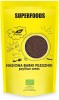
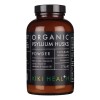
Whole husks and powder are the same plant material, with the powder simply ground more finely, so the main difference is texture and how quickly they thicken. Powder tends to gel faster and can feel smoother in drinks, while whole husks stay flakier and are easy to stir into water or sprinkle over food. If you follow recipes, avoid swapping one for the other by volume, because they do not measure one to one. In the shop you will find whole psyllium husks ready to keep in the cupboard, while powder is a form you will more often see elsewhere on the wider market.
Are psyllium husk capsules a good option?
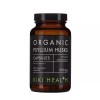
Capsules are a good option when you want a pre-measured, no-mix format that travels well and avoids any loose texture. Each capsule holds a set amount of husk, so you skip the spoon and the stirring, though you still need to drink a full glass of water with every serving. They suit busy mornings or trips, while loose husks give you more flexibility for baking and smoothies. Organic psyllium husk capsules are one convenient choice if you prefer this format.
How do you take psyllium husk with water?
Stir a small amount into a full glass of water, mix it briefly and drink it straight away before it thickens too much. Because it absorbs water and forms a gel quickly, waiting too long leaves you with a spoonable jelly rather than a drink. Follow the amount printed on the label, and have a second glass of water afterwards so the husk stays comfortably hydrated. Cold or room-temperature water usually works best.
How much psyllium husk should you take per day?
There is no single daily amount that suits everyone, so the safest guide is to always follow the manufacturer's instructions on the label. A sensible approach is to start with a small amount once a day and see how it fits your routine before doing anything more. If you take any medicines or have difficulty swallowing, ask a pharmacist before you begin.
How can you add psyllium husk to smoothies?
Add a small spoonful to a finished smoothie, blend briefly and drink it promptly, because the husk will keep thickening the longer it sits. It works well with banana, berries or oats, where a little extra soluble fibre blends in without changing the flavour much. Keep the blender moving for only a few seconds, then pour, as an over-thick smoothie is harder to drink. If you like building a varied store cupboard, you can also browse the probiotics range for other everyday staples.
How do you use psyllium husk in gluten-free baking?
In gluten-free baking, hydrated psyllium husk adds structure by holding moisture and giving dough something to bind to. Mix it with the liquid in your recipe first so it can gel, then combine it with the dry ingredients, and always work from a tested gluten-free recipe rather than adding it by eye.
Why does psyllium husk work as a binder?
Psyllium works as a binder because, once hydrated, its gel traps water and holds the crumb together in place of the gluten network found in wheat. That gel gives gluten-free bread and rolls more flexibility and a less crumbly texture. The effect depends on the recipe and the amount of water, so too much or too little liquid can leave a gummy or dense result. Follow the quantities in a recipe written for psyllium rather than guessing.
Your first week with psyllium husk – a simple starting plan
A simple starting plan is to keep the first week small, consistent and well hydrated.
Here is one easy way to ease it in:
- Days 1 to 2: take a small amount once a day in a full glass of water, following the label.
- Days 3 to 5: keep the same routine and notice how it fits around your meals and drinks.
- Days 6 to 7: stay consistent, and only adjust within what the label allows.
Throughout the week, drink plenty of water and give it time. If you would like to read more around digestion and long-term wellbeing, see the article on gut health and healthy ageing. And whenever you are ready to stock up, you will find whole husks and capsules together in our fibre supplements range at 4ecoshop!
Frequently Asked Questions about psyllium husk
Is psyllium husk gluten-free?
Psyllium is plant-derived and does not come from gluten grains, but if you avoid gluten for coeliac reasons, check the pack for a gluten-free label or certification. Not every product is tested to the same standard, so the label is the reliable guide.
What does psyllium husk taste like?
Psyllium husk has a very mild, slightly earthy taste that most people barely notice once it is mixed into water, a smoothie or a bake. Its main effect is on texture rather than flavour, since it thickens whatever it is added to.
When is the best time of day to take psyllium husk?
There is no single best time of day, so being consistent matters more than the exact hour. If you take medicines, it is sensible to leave a gap around them and check the label, since fibre can affect how other things are absorbed.
How should you store psyllium husk?
Keep psyllium husk in a sealed container somewhere cool, dry and dark, away from steam and damp. Moisture is its main enemy, because the husk starts to absorb water and can clump if the pack is left open.
Is psyllium husk suitable for vegans?
Psyllium husk comes from a plant, so it usually suits vegan diets, though it is still worth checking the label. With capsules in particular, confirm that the casing is plant-based, as some capsule shells are not.