 SAME DAY DISPATCH; ORDER BY 2PM
 SECURE PAYMENT
 4.8/5 RATING
Winter tea: how to make a warming blend at home
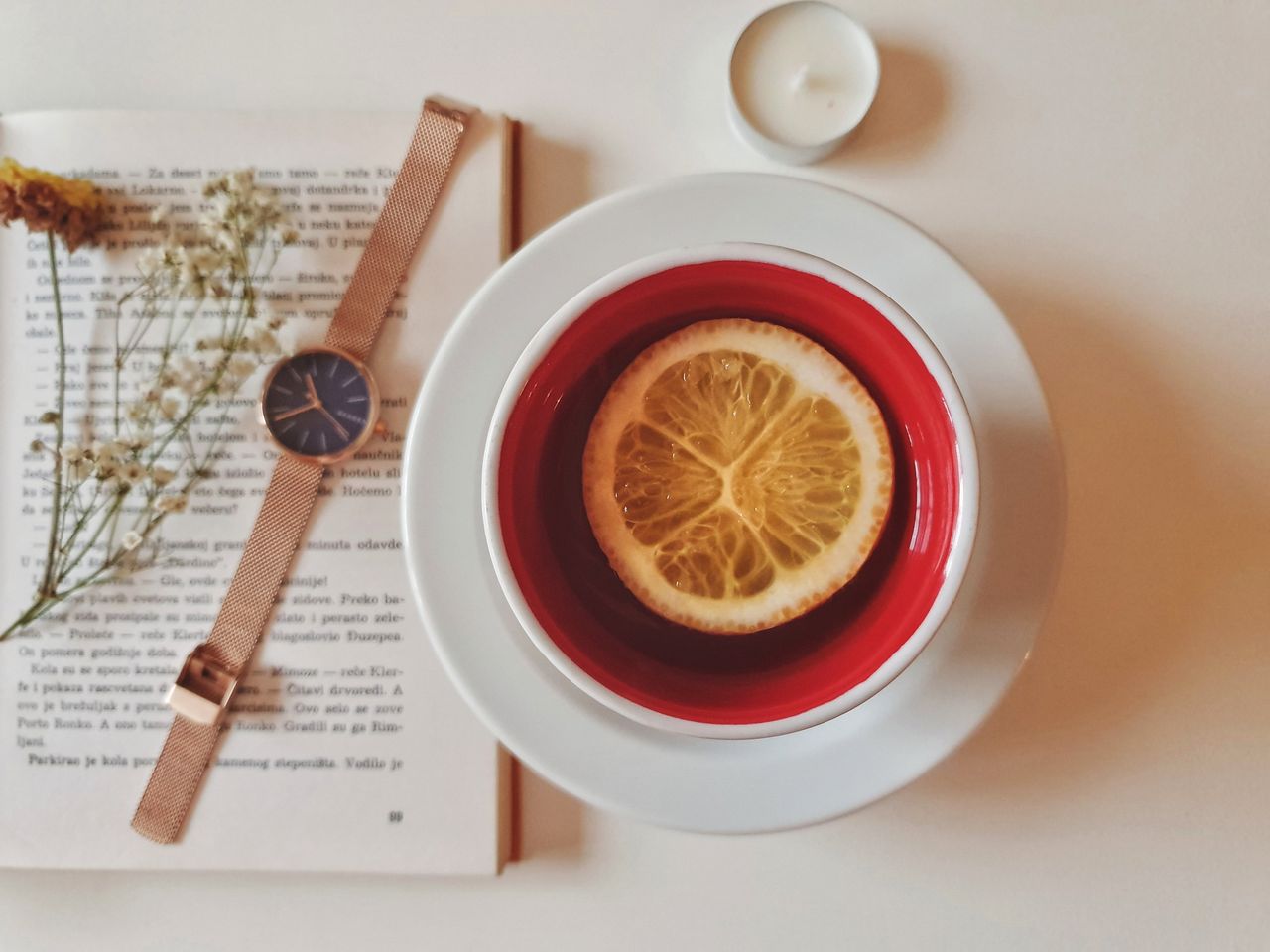
Winter tea is a hot drink made from a base, usually black tea or rooibos, and additions such as spices, freeze-dried fruit, honey or a fruit syrup, so you can put it together at home to suit your own taste. Once you know the right order, brewing it comes down to four steps!
Key takeaways:
- Caffeine comes with the base: black tea contains it, while rooibos, linden flowers and chamomile do not.
- Each part has its own timing: most black teas need 3–4 minutes, rooibos 5–7, and whole spices usually longer than the tea.
- Sweeten the finished cup: honey brings its aroma and raspberry syrup its fruit once the tea is poured.
- Poland has two winter classics: linden flower tea and tea with raspberry syrup.
What is winter tea?
Any hot cup that pairs a base with spices or fruit counts as winter tea, and its warming character comes from the heat of the cup and the flavour of spices such as cinnamon and cloves.
In the strict sense, only drinks brewed from the leaves of the tea plant, Camellia sinensis, such as black tea, are tea. Rooibos, linden flowers and chamomile are infusions that everyday English also calls tea, and herbal teas are the natural starting point for a winter cup without tea leaves.
Winter tea ingredients
Beyond the base, winter tea ingredients fall into three groups: whole spices for aroma, freeze-dried fruit for flavour and colour, and something sweet added at the end.
Warming spices for winter tea
Whole spices suit a pot of tea well, because they give their flavour to the water and are easy to strain out before you pour.
Spices worth reaching for in winter:
- Cinnamon: a piece of stick adds a sweet, woody aroma that suits both black tea and rooibos.
- Cloves: their flavour is strong, so start with a few and add more next time if you want the cup bolder.
- Anise: it brings a sweet note close to liquorice and pairs well with orange.
All three can go into one pot together, as they do in the Winter Punch mix.
Freeze-dried fruit for winter tea
In hot water, freeze-dried fruit takes up the liquid and softens. The organic winter punch mix 20 g from Dary Natury combines freeze-dried orange and cranberry with cinnamon, anise, cloves and rosemary: add it to your favourite tea and let it brew for 10–15 minutes.
Honey and fruit syrups
Sweetness is the last layer of a winter tea, added to the brewed cup a little at a time. Linden, acacia and multiflower honeys each have their own aroma, while raspberry syrup brings fruit and a deep red colour.
How do you make winter tea at home?
Steep whole spices and your chosen base in freshly boiled water, then strain the tea and finish each cup with fruit and a little sweetness.
Black tea or rooibos as a base?
Choose black tea for a classic, brisk cup with caffeine, and rooibos for an evening cup, since rooibos is naturally caffeine-free. Rooibos is also hard to over-steep, which suits spices that need time, whereas black tea turns bitter when it stays in the pot too long.
For a full pot, pick loose rooibos tea such as Lebensbaum Rooibos Classic in a 100 g pack, and reach for Clipper rooibos bags when you only need one mug.
Brewing time for spiced winter tea
Most black teas are ready after 3–4 minutes in water at 90–98 °C. Rooibos is brewed with water just off the boil for 5–7 minutes, while whole spices usually need longer than either, so in a spiced winter tea the spices go into the pot first.
A simple order for one pot:
- Water: fill the kettle with fresh water and boil it once.
- Spices and rooibos: put the spices in the pot, together with rooibos if that is your base, and pour the water over them.
- Black tea: when black tea is the base, add it once the spices have had a few minutes on their own and brew it for its usual time.
- Fruit and sweetness: strain the tea into cups, add freeze-dried fruit and stir in honey or syrup to taste.
With the Winter Punch mix and black tea, brew the tea first, take out the leaves and then let the mix steep in the hot tea for its full time.
Polish winter tea with linden and raspberry syrup
Linden tea and tea with raspberry syrup are two traditional winter cups in Poland. Linden flowers make a gentle, floral infusion, and raspberry syrup turns black tea into a sweet, fruity drink with a deep red colour.
The two traditions also meet in one cup when a spoonful of raspberry syrup goes into freshly brewed linden tea. Among the juices, syrups and jams we stock, raspberry syrup comes plain or with ginger, so you can decide how sharp the finished cup should be.
Which herbal tea for winter evenings without caffeine?
Linden flowers, chamomile and lemon balm give a caffeine-free cup for a winter evening, because none of them comes from the tea plant. The best herbal tea for winter is the one you enjoy plain, and spices or fruit only round it off.
Linden flower tea
Use one teaspoon of dried linden blossoms per glass of water. Cover the glass and leave it for about 15 minutes. The organic linden flower tea 30 g from Dary Natury is 100% linden flowers from organic farming, and its floral taste goes well with raspberry syrup or a piece of cinnamon.
Chamomile and lemon balm tea
Mild and slightly sweet, chamomile goes well with the fresh, lemony note of lemon balm, and each herb can also be brewed on its own. Brew a chamomile tea for the time given on the pack, then add freeze-dried orange or a little honey if you like a fruitier, sweeter cup.
Ready-made winter tea blends
With a ready-made blend there is nothing to measure, as the spices or fruit are already mixed with the base.
Blends that already carry winter flavours:
- Rose with cinnamon and cloves: the classic spices are already inside, so all that is left is choosing the sweetener.
- Lemon with ginger and black pepper: a sharper, spicier cup that takes a little honey well.
- Mint with cinnamon and liquorice: liquorice brings its own sweetness, so taste the cup before adding honey.
- Raspberry and linden: a Dary Natury tea that brings the two flavours together in one pack.
When you want a herbal tea for winter evenings, check the ingredient list for black or green tea, because some blends mix herbs with tea leaves.
A cup of winter tea: what to keep in mind
Getting winter tea right starts with who will drink it and when. Black tea with cloves and orange suits an afternoon mug, and rooibos, which has no caffeine, takes the same spices and fruit, so it works in the evening and for children. Change one addition at a time and keep the version you enjoy most. At 4ecoshop you can order the base, a winter punch mix and raspberry syrup together and brew your own winter tea as soon as the parcel arrives!
Frequently asked questions about winter tea
Should you add honey to boiling tea?
Let the tea cool for a moment before stirring in honey, as its aroma comes through better once the cup is no longer boiling.
Does winter tea contain caffeine?
The caffeine in winter tea comes from tea leaves, so the Winter Punch mix steeped in rooibos gives a caffeine-free cup, while the same mix in black tea does not.
How long does a homemade winter tea blend keep?
A dry homemade winter tea blend is best used by the earliest best-before date among its ingredients and stored in an airtight jar in a cool, dry and dark place.
Can children drink winter tea?
Children can drink winter tea made on a caffeine-free base such as rooibos or a fruit tea, once it has cooled enough to sip. NHS advice is not to give honey to babies under 12 months.
Can you drink winter tea cold?
Brew it hot first, because spices and freeze-dried fruit usually give up their flavour faster in hot water, then let it cool and drink it cold.