 SAME DAY DISPATCH; ORDER BY 2PM
 SECURE PAYMENT
 4.8/5 RATING
Vitamin D in winter in the UK: what the NHS advises
Once autumn arrives, the sun in the UK is too weak for your skin to make enough vitamin D. That is why the NHS advice on vitamin D in winter in the UK is for everyone to consider a daily supplement from October to early March. In practice, what matters is the amount per serving on the label and the number of days your supply has to cover.
NHS winter advice in short:
- Adults and children over 4: the NHS figure is 10 micrograms (400 IU) of vitamin D a day.
- Babies: the NHS advises 8.5 to 10 micrograms a day all year for breastfed and mixed-fed babies.
- Children aged 1 to 4: the NHS advises 10 micrograms every day of the year.
- Year-round groups: according to the NHS, people who get little sun on their skin should take 10 micrograms a day all year.
- Milk: the NHS notes that cows' milk in the UK is generally not fortified with vitamin D.
Should you take vitamin D in winter in the UK?
According to the NHS, everyone in the UK should consider a daily supplement in the colder months, when vitamin D has to come mainly from food and supplements.
Vitamin D contributes to the maintenance of normal bones. Vitamin D contributes to the maintenance of normal muscle function. Our vitamin D3 supplements include capsules, drops and D3 combined with K2.
What does the NHS advise about vitamin D in winter?
For adults and children over 4, the NHS sets one daily amount of vitamin D for the winter months, with separate year-round advice for babies, children aged 1 to 4 and some adults.
Vitamin D dose in winter for adults
For adults, the NHS figure is 10 micrograms (400 IU) a day, and it also applies during pregnancy and breastfeeding. The NHS describes this amount as enough for most people. If a doctor has set a different dose, the NHS says to follow that instead.
Vitamin D for children and babies
The NHS advises that breastfed and mixed-fed babies have 8.5 to 10 micrograms of vitamin D a day from birth, while babies drinking more than 500 ml of infant formula a day do not need an extra supplement. Children aged 1 to 4 should have 10 micrograms every day of the year, and the NHS gives the same autumn and winter advice on vitamin D for children over 4 as for adults.
When you browse our supplements for children, compare the micrograms per dose with the NHS figure for your child's age. DLux Junior from BetterYou, for example, gives 10 micrograms per dose.
Who should take vitamin D all year round?
Year-round advice from the NHS covers people who get little sun on their skin: those who are frail, housebound or live in a care home, and those who usually wear clothes that cover most of their skin. People with dark skin, for example from African, African-Caribbean or south Asian backgrounds, are advised to consider the same. These groups need to count their supply for all twelve months.
How do you get vitamin D in winter in the UK from food?
Food adds some vitamin D, but the NHS names only a short list of sources: oily fish, red meat, egg yolks and fortified foods such as some fat spreads and breakfast cereals. Oily fish and egg yolks contain vitamin D naturally, while in spreads and cereals it is added during production.
Fortified products are not all alike: vitamin D is not added to every spread or breakfast cereal, and the amount varies from one product to another. The nutrition information on the pack shows whether vitamin D is there and how much of it one portion provides.
Milk is missing from the NHS list, as cows' milk in the UK is generally not fortified and is not a good source of vitamin D. The NHS gives its winter supplement advice to everyone, whatever they eat, so these foods work as an addition to a supplement.
How do you choose a vitamin D supplement for winter?
When you choose a vitamin D supplement for the UK winter, start with the amount per serving, then look at the form of vitamin D and at a format you will take every day. Background on the vitamin itself is in our article on what vitamin D3 is good for.
Vitamin D3 or D2?
Vitamin D3 is the usual first choice, and NICE, which writes clinical guidance used by the NHS, lists it as the preferred form. Vitamin D3 in supplements is often made from lanolin, a fat from sheep's wool, while vitamin D2 comes from non-animal sources such as fungi. Whichever form you pick, the NHS daily figure stays the same, so compare the micrograms on the label.
Vitamin D spray, drops or capsules?
Spray, drops and capsules differ mainly in how you take them and how easily you can count the servings.
How the formats compare in daily use:
- Spray: one dose goes into the mouth, with no capsule to swallow.
- Drops: they are measured by volume, and the label states how many micrograms a set amount contains.
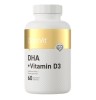
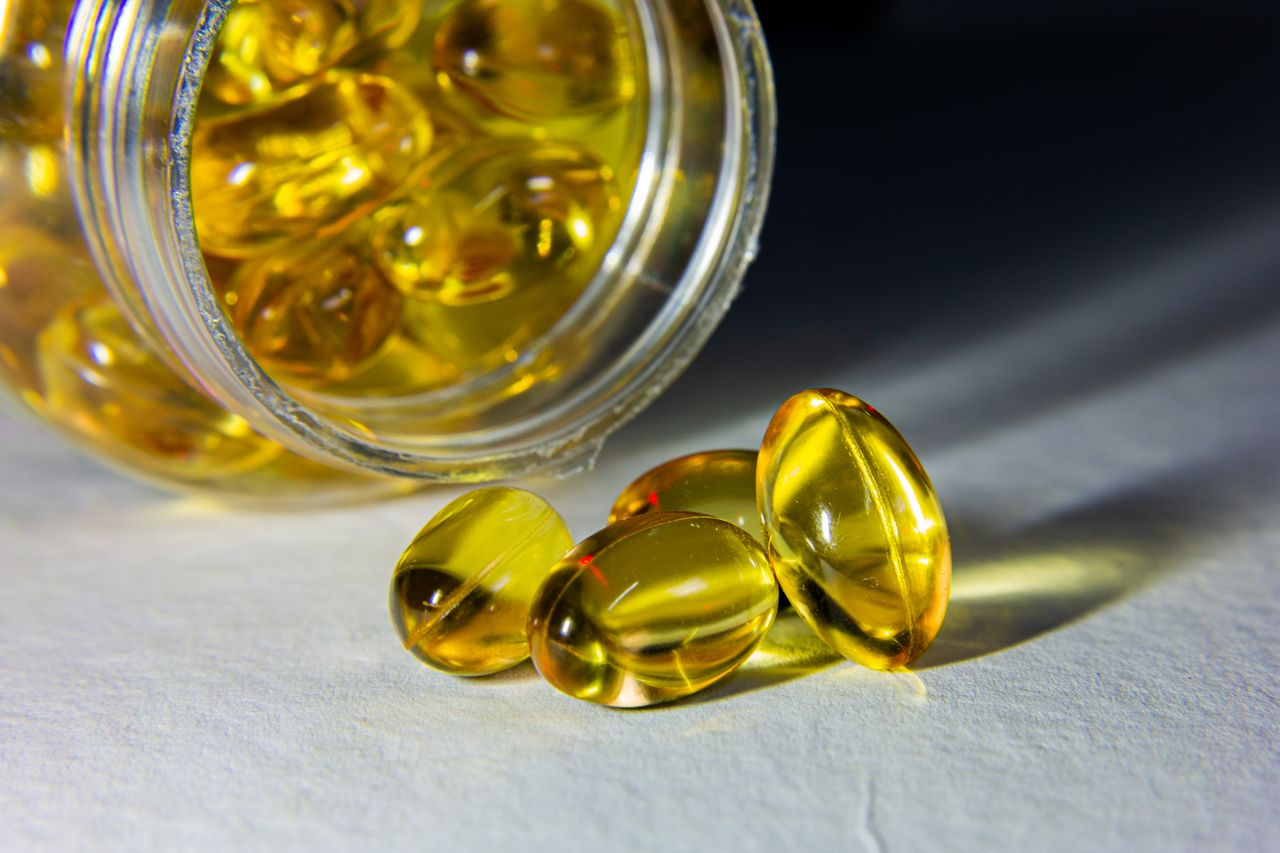
- Capsules: the number is printed on the pack, such as 60 or 120, which makes a season's supply easy to count.
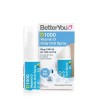
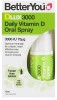
A vitamin D spray such as the D1000 daily vitamin D oral spray 15 ml from BetterYou gives 25 micrograms (1,000 IU) of vitamin D3 in one daily dose, sprayed into the mouth or onto the inside of the cheek without water or food.
Vitamin D3 with K2
Vitamin D3 with K2 is a combination product, and the NHS winter advice does not include vitamin K2. When a label lists both vitamins, the vitamin D amount is the one to compare with the NHS figure of 10 micrograms.
How long does a vitamin D supplement last from October to March?
At one serving a day, a pack lasts as many days as it holds servings. The count below runs from 1 October to 29 March, which is 180 days, so it covers the NHS advice until early March with days to spare. To count the packs you need, divide 180 by the number of servings and round up to a whole pack.
Packs needed for the season at one serving a day:
If a multivitamin from our vitamins and minerals also contains vitamin D, add its micrograms to your daily total.
Taking vitamin D through a UK winter: four takeaways
What to do before and during the season:
- In September: count how many packs cover October to early March and have the first one ready for 1 October.
- Check the limit before adding a second product: if you already take something with vitamin D, compare the total micrograms with the NHS daily limit for your age.
- Before ordering sprays or drops: check how many doses the pack holds.
- Carry on after early March where the advice is year-round: plan your supply for the whole year.
A supply counted from the label turns the NHS advice into a set number of packs you can put aside in autumn. With that count done before October, all that is left until early March is one dose a day.
Frequently asked questions about vitamin D in winter in the UK
When should you start taking vitamin D in winter in the UK?
Adults and children over 4 start in October and carry on until early March. Babies, children aged 1 to 4 and people with year-round advice do not wait for October, as their NHS advice covers every month.
Is 1,000 IU of vitamin D3 the same as 25 micrograms?
1,000 IU and 25 micrograms are the same amount, as the NHS gives 1 microgram of vitamin D as equal to 40 IU. To compare labels that use different units, multiply micrograms by 40 or divide IU by 40.
Can you take too much vitamin D in winter?
Too much vitamin D over a long period can be harmful, so the NHS sets daily limits: 100 micrograms (4,000 IU) for adults and children aged 11 to 17, 50 micrograms (2,000 IU) for children aged 1 to 10 and 25 micrograms (1,000 IU) for babies under 12 months.
Is there a vegan vitamin D3?
Vegan vitamin D3 is made from lichen, as in Plant-Based D3 from Nordic Naturals, which provides 25 micrograms (1,000 IU) in 0.5 ml.
Is a vitamin D spray as good as capsules?
For the NHS advice, what counts is how many micrograms of vitamin D you take each day, whether they come from a spray or a capsule. With a spray such as D1000, the opened bottle also has to be used within 6 months.