 SAME DAY DISPATCH; ORDER BY 2PM
 SECURE PAYMENT
  4.8/5 RATING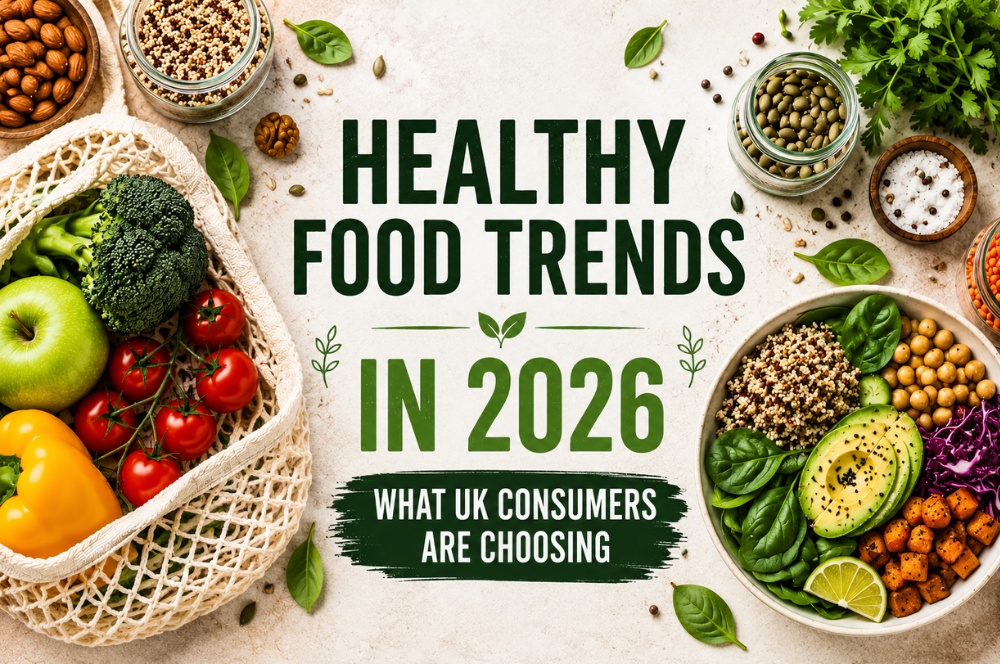
The biggest healthy food shopping trends in 2026
Consumers in the UK are becoming increasingly conscious about what they eat and where their food comes from. In 2026, healthy food shopping is no longer just about counting calories. Today's shoppers are paying closer attention to ingredient quality, nutritional value, sustainability, and transparency.
From clean-label products to healthier snack options, several key trends are shaping the future of food purchasing decisions across the UK.
Clean-label foods continue to gain popularity
One of the most significant healthy food trends in 2026 is the growing demand for clean-label foods. Consumers are becoming more selective and are carefully reading ingredient lists before making a purchase.
Learn more about this trend in our article on why more people are switching to clean-label foods.
Many shoppers prefer products made with simple, recognisable ingredients and avoid foods containing artificial preservatives, colours, flavourings, and other unnecessary additives. As a result, brands that offer transparency and straightforward ingredient lists are earning greater consumer trust.
The clean-label movement reflects a broader shift towards natural and minimally processed foods.
High-protein foods remain in demand
Protein continues to be a major focus for consumers seeking healthier lifestyles. While high-protein products were once primarily associated with athletes and fitness enthusiasts, they are now popular among a much wider audience.
Many consumers choose protein-rich foods because they help support satiety and fit well into balanced eating habits. Nuts, seeds, legumes, protein snacks, and plant-based protein products are all experiencing strong demand.
This trend is expected to continue as consumers look for convenient ways to support their nutritional goals.
Gut health is influencing food choices
Awareness of digestive health has increased significantly in recent years. More consumers now understand the importance of maintaining a healthy gut microbiome and are actively choosing foods that may support digestive wellbeing.
Explore our range of gut health supplements designed to support digestion and overall gut balance.
Fibre-rich foods, fermented products, and naturally nutritious ingredients are becoming increasingly popular. Consumers are seeking products that contribute to overall wellness rather than simply addressing hunger.
As education around gut health continues to grow, this category is expected to remain an important part of the healthy food market.
Lower-sugar options are becoming more attractive
Reducing sugar consumption remains a priority for many UK households. Consumers are becoming more aware of the relationship between excessive sugar intake and long-term health concerns.
As a result, products with reduced sugar content or naturally sweet ingredients are attracting greater attention. Many shoppers are actively comparing nutritional information and choosing products that support healthier eating habits without compromising on taste.
Food manufacturers are responding by developing products that offer healthier alternatives to traditional sweet snacks and beverages.
Plant-based foods continue to expand
Plant-based eating remains one of the strongest trends influencing consumer behaviour. Importantly, this trend extends beyond vegans and vegetarians.
Many consumers are adopting a more flexible approach to eating by incorporating additional plant-based foods into their diets while continuing to consume animal products occasionally. This approach allows shoppers to increase dietary variety and explore new food options.
Demand for plant-based snacks, protein sources, and everyday grocery products is expected to remain strong throughout 2026.
Sustainability is becoming a purchasing priority
Modern consumers increasingly consider the environmental impact of the products they buy. Sustainability is now an important factor in food purchasing decisions alongside nutrition and price.
Many shoppers prefer products with responsibly sourced ingredients, environmentally friendly packaging, and transparent supply chains. Consumers are also showing greater interest in supporting brands that demonstrate a commitment to ethical and sustainable practices.
As environmental awareness grows, sustainability is likely to play an even larger role in future purchasing decisions.
Online healthy food shopping continues to grow
Convenience remains one of the key drivers behind changing shopping habits. More consumers are purchasing healthy food online, where they can compare products, review ingredients, and access a wider range of options.
Online shopping allows consumers to discover specialist products that may not be available in local supermarkets. It also provides greater flexibility and convenience for busy households.
As digital shopping experiences continue to improve, online healthy food shopping is expected to remain a growing segment of the food industry.
Consumers want greater transparency
Today's shoppers want to know more about the products they purchase. They are increasingly interested in ingredient sourcing, production methods, nutritional benefits, and brand values.
Consumers are rewarding brands that provide clear information and demonstrate honesty about their products. Transparency helps build trust and supports informed purchasing decisions.
For many shoppers, understanding what they are buying has become just as important as the product itself.
Conclusion
The biggest healthy food shopping trends in 2026 highlight a clear shift towards more informed and conscious consumer behaviour. UK shoppers are increasingly prioritising clean-label products, natural ingredients, gut health, sustainability, lower-sugar options, and convenience.
Brands that focus on quality, transparency, and nutritional value are likely to be best positioned to meet the evolving expectations of modern consumers.
Frequently asked questions
What are clean-label foods?
Clean-label foods are products made with simple, recognisable ingredients and minimal processing. They typically contain no artificial colours, preservatives, sweeteners, or flavour enhancers.
Why are healthy food shopping habits changing in 2026?
Consumers are becoming more health-conscious and better informed about nutrition. Greater awareness of ingredient quality, gut health, sustainability, and overall wellbeing is influencing purchasing decisions.
Are organic foods healthier than conventional foods?
Organic foods are produced according to specific farming standards and are often chosen because they are grown without synthetic pesticides and fertilisers. Many consumers also choose organic products for environmental reasons.
Why are high-protein foods so popular?
High-protein foods can help support muscle maintenance and contribute to feelings of fullness after meals. They are popular among consumers seeking balanced nutrition and active lifestyles.
What foods are good for gut health?
Foods that support gut health often include fibre-rich ingredients and fermented products. Examples include oats, vegetables, legumes, yoghurt, kefir, seeds, and fermented foods.
Why are consumers choosing products with natural ingredients?
Many shoppers prefer products with natural ingredients because they are easier to understand and often contain fewer artificial additives. Clear ingredient lists help consumers make informed choices.
Is online healthy food shopping becoming more popular in the UK?
Yes. More consumers are choosing to buy healthy food online due to convenience, wider product selection, and easy access to nutritional information.
What are the biggest healthy food trends in the UK right now?
Some of the biggest trends include clean-label foods, high-protein products, gut health-focused foods, reduced-sugar alternatives, plant-based options, sustainable packaging, and products made with natural ingredients.
Learn more from our blog:
What to eat at night without gaining weight and sleep better?
What does gluten free mean? What products do we include in this group?