 SAME DAY DISPATCH; ORDER BY 2PM
 SECURE PAYMENT
  4.8/5 RATING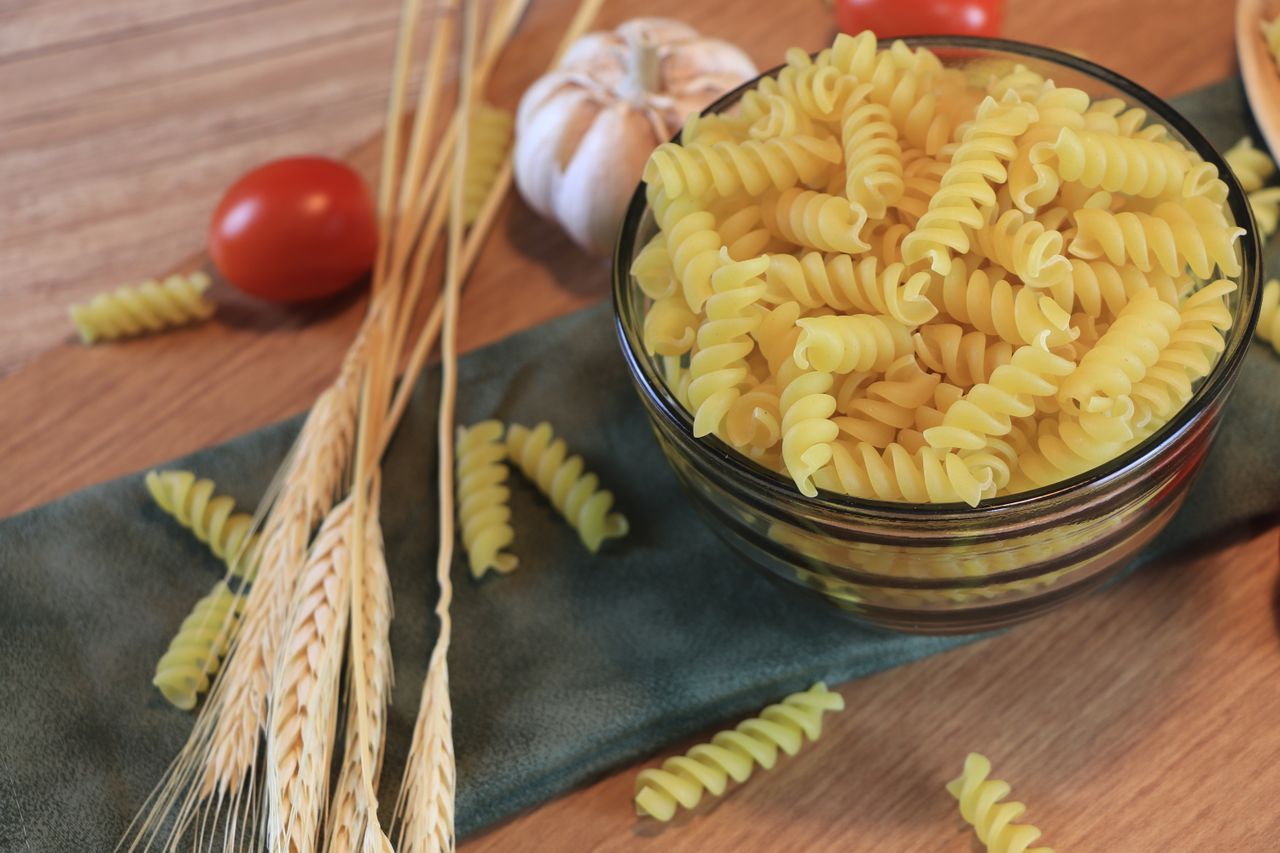
Which gluten-free pasta is best for everyday cooking?
Pasta that breaks into pieces or welds itself into one sticky lump is usually a timing problem, not a bad packet. With no gluten network to lean on, swollen starch holds the shape, and it gives way within a minute of the centre being cooked. The raw material decides how wide that window is, so gluten-free pasta made from rice behaves differently from one made of maize, buckwheat or pulses. Two packets of the same shape can cook two minutes apart, because the blend and the processing matter as much as the named flour. Read on and pick the type that survives a normal Tuesday dinner!
Key takeaways:
- Starch does the structural work: without gluten it holds the shape only briefly, which is why draining on time beats any brand comparison.
- Rice is the neutral one: mild flavour and a soft bite make it the easiest everyday swap for wheat.
- Maize and pulses stay firmer: maize keeps its edges in baked dishes, and red lentil shapes hold a firm bite in salads.
- The label decides, not the ingredient: only pasta labelled gluten-free is made to the 20 mg/kg limit, so check the packet when you cook for someone with coeliac disease.
- One shelf, four raw materials: at 4ecoshop the rice, maize, buckwheat and pulse types sit in the same gluten-free section, so you can compare them before committing to a shape.
What is gluten-free pasta made from?
Gluten-free pasta is milled from grains, pseudocereals and pulses instead of durum wheat. On the cereal side that means rice, maize, buckwheat, millet, sorghum and oats; on the pulse side, chickpea, pea, lentil and soya, alone or in blends. Our gluten-free pasta section covers all of those types, and the ingredient list is the part worth reading, because the blend and the processing change the result as much as the headline flour.
The raw material matters just as much for gluten-free flour, which is why anyone who bakes without wheat recognises the behaviour of a pasta before tasting it.
Rice and corn pasta
Rice pasta is the closest everyday substitute for wheat: white rice cooks fast and stays neutral, while brown and wholegrain rice keep a firmer bite and a faintly nutty flavour. Corn pasta is milled from maize and comes into its own when rice feels too soft. Blends of maize and rice sit between the two, which makes them a sensible first purchase when the whole household is trying gluten-free cooking.
Buckwheat and other grain pasta
Buckwheat is a pseudocereal rather than a grain, and its pasta tastes of it: earthy, savoury, darker in colour and noticeably quicker to cook than rice. Millet and sorghum types are gentler, with a mild flavour that suits vegetable sauces, and oat pasta brings a soft, almost creamy texture.
Pulse pasta: lentil, chickpea and pea
Pulse pasta is milled from a single legume, so the flavour is more pronounced and the colour gives it away before cooking. Red lentil is the one you will meet most often, and we list lentil pasta as a type of its own rather than a footnote to chickpea, because it holds a firm bite where softer types collapse.
Chickpea and pea versions cook similarly, and green soya, black bean and adzuki shapes belong to the same family. Check each packet for its own cooking time, as pulses vary more between products than cereals do.
Rice, corn and pulse pasta side by side
Put the main types next to each other and the differences are practical rather than nutritional.
Here is how the main types behave once they hit boiling water:
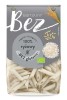
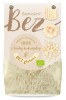
Reading a single packet makes the table concrete. The organic gluten-free brown rice pasta from Dalla Costa is a one-ingredient product: brown rice flour, nothing else, 362 kcal per 100 g with 75.7 g of carbohydrate and 2.7 g of fat, in a 250 g box made in Italy.
Which gluten-free pasta holds its shape when cooked?
Maize-rich and red lentil types hold their form best. The shape of the pasta matters almost as much as the flour inside it. Short ridged formats such as penne and rigatoni take heat evenly and survive stirring, while long thin strands travel from firm to fragile in seconds. A sturdy short shape in an ordinary blend usually outperforms a delicate long shape in an excellent one.
Cooking loss explains the rest. The more starch escapes into the water, the softer and stickier the result. Pasta made only from maize often stays firmer than a maize and rice blend, although processing can reverse that between brands. When a dish needs the pasta to stay recognisable after twenty minutes in the oven, choose the sturdier format first and treat the flour as the second decision.
How do you cook gluten-free pasta without it going sticky?
Use a large pan of fast-boiling water, stir during the first minute, and start tasting two minutes before the time on the packet. The useful window is narrow: the gap between a good bite and paste is often sixty seconds, and the pasta carries on cooking in its own heat after draining.
Three habits decide the texture more than the brand does:
- Give it room: a crowded pan drops off the boil, and pieces that sit still in warm water shed surface starch and glue themselves together.
- Taste early and drain at once: the centre should be only just cooked, because carry-over heat finishes the job while the water runs away.
- Skip the rinse unless the dish is cold: rinsing stops the cooking, but it also washes off the starch that makes sauce cling.
Knowing how to cook gluten-free pasta also means finishing it in the sauce rather than in the colander. Move the drained pasta straight into the warm pan, add a spoonful of the cooking water to loosen the sauce, and serve within a minute or two.
Which pasta suits which dish?
Match the format to the sauce and the raw material to the flavour of the dish. Ridges and hollows hold thick sauces, so penne, fusilli and shells belong with ragù, bakes and anything chunky. Smooth strands suit oil, butter and light tomato instead. If the recipe involves a second round of heat, decide on the sturdiest format before thinking about the flour at all.
How do you store and reheat gluten-free pasta?
Cool leftovers quickly, keep them in the fridge and eat them within two days, or freeze them in portions. Chilling firms the bite, because the starch sets as it cools, so cold gluten-free pasta feels harder than it did in the pan – that is normal, and a little sauce or water brings it back.
A short routine keeps leftovers worth eating:
- Cool it fast: spread the pasta out instead of leaving a hot bowl on the worktop, then refrigerate it as soon as it stops steaming.
- Dress it lightly: a spoon of oil or sauce stops the pieces from setting into a single block.
- Reheat once, thoroughly: warm the portion until it is steaming hot the whole way through, and do not send the same helping back for a second round.
Frozen portions go straight into a hot pan with sauce or a splash of water.
Choosing a gluten-free pasta you will cook again
There is no single best gluten free pasta, because the flour, the blend, the shape and your cooking habits interact. Start from the way you actually cook on a weeknight, then read the packet for the blend and the cooking time, and buy one box rather than four.
Comparing is easier when the types sit together, which is how we arrange the gluten-free section at 4ecoshop: rice next to maize, buckwheat next to pulses, each with its own ingredient list to read. Pick two types that suit two different dinners, cook them this week and keep the one your kitchen votes for!
Frequently asked questions about gluten free pasta
Why does gluten-free pasta fall apart?
Most breakages happen after draining rather than during boiling: pasta left standing in a hot colander, or stirred firmly while it is still fragile, loses its edges. Long thin shapes suffer most, so choose a short format for any dish that needs several minutes of tossing.
Can you reheat gluten-free pasta?
Yes, but not dry: pasta reheated on its own, with no added liquid, turns hard and dull because the starch has already pushed out water as it cooled. Warming the portion with a spoonful of sauce or a splash of water gives that moisture back, so treat sauce or water as part of the reheat rather than an optional extra.
Which gluten-free pasta tastes closest to wheat?
Rice and maize types come closest, because both are mild enough to sit under a sauce without arguing with it. Texture gives more away than flavour, so compare the bite of two products before deciding that one tastes wrong.
Does gluten-free pasta need more water?
Extra water is not a rule; what counts is that the pieces can move and that the pan returns to the boil quickly. Blends differ, so use the volume printed on the pack, and give a large batch a bigger pan rather than a longer cooking time.
Can you use gluten-free pasta in a cold salad?
Yes, and this is the one occasion where rinsing helps, since cold water stops the cooking and keeps the pieces separate. Choose a firm type such as red lentil or maize, dress it while it is still slightly warm, and expect a firmer bite once it has chilled.