 SAME DAY DISPATCH; ORDER BY 2PM
 SECURE PAYMENT
  4.8/5 RATING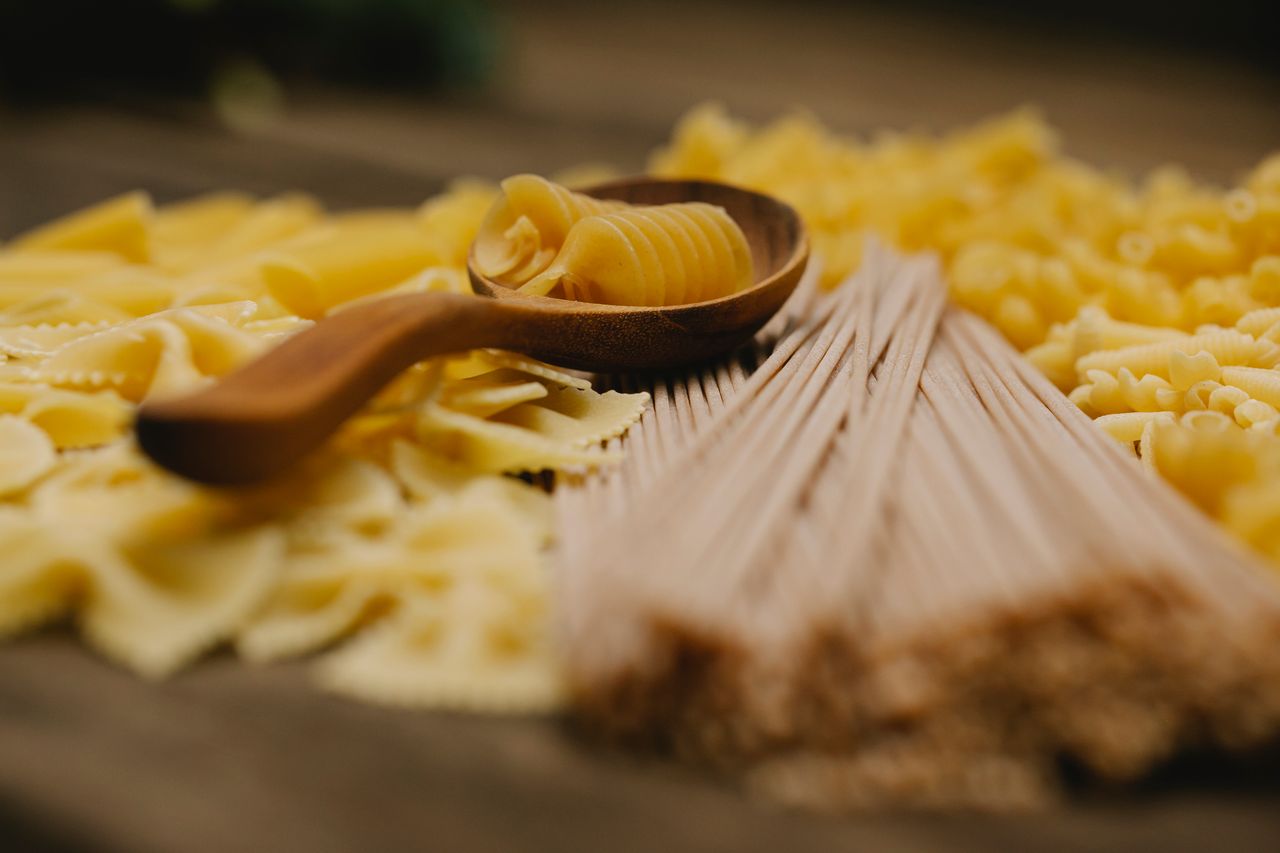
How to cook wholemeal pasta so it keeps its bite
White pasta and wholemeal pasta come in the same shapes, yet they are milled from different parts of the grain. White uses the starchy endosperm alone, while the wholemeal version keeps the bran and the germ as well. That is why wholemeal pasta takes on water differently in the pot and reads as a grainier, slightly bitter bite on the plate. Learn what the flour, the water, the timing and the sauce each do here, and the next pack will not catch you out!
Wholemeal pasta at a glance:
- Flour, not shape: the difference sits in milling, because wholemeal flour keeps the bran, germ and endosperm together.
- No single cooking time: cultivar, particle size and drying all move it, so the pack instructions rule.
- Plenty of water: around a litre per 100 g gives the shapes room to move and dilutes the starch they shed.
- Taste early: bite a piece a couple of minutes before the printed time runs out.
- Sauce with body: tomato, roasted vegetable, mushroom or nut sauces sit better against a grain-forward flavour.
What is wholemeal pasta made from?
Wholemeal pasta is made from flour that still contains all three parts of the grain: the bran, the germ and the starchy endosperm. White pasta uses the endosperm alone, which is why it looks paler and cooks to a smoother surface. British labels use wholemeal and wholewheat pasta interchangeably, and both point at the same milling.
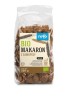
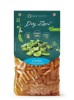
Most of the shapes you will meet are durum wheat, though the same idea carries over to rye, spelt, emmer and einkorn. The same grains appear in our whole grain pasta, in familiar fusilli, penne and spaghetti.
The same milling logic applies to baking, and a bag of whole grain flour tells the story on its own label. The ingredient list names the grain and the milling, and the nutrition panel gives the fibre and protein figures for that particular bag. Read those numbers rather than assuming a claim, because they move between grains and between mills.
Wholemeal pasta vs white pasta
The practical difference is texture and flavour, not difficulty in the kitchen. Bran and germ interrupt the protein and starch network that holds a strand together, so water and starch move more freely while it boils. Some wholemeal shapes therefore lose their bite sooner than a white equivalent, and others hold it just as long, because particle size, wheat cultivar, extrusion and drying pull the texture back the other way.
Flavour is the steadier difference: wholemeal pasta tastes wheatier, with a bitter edge that grows as the wholegrain share rises, while white pasta stays neutral and lets a delicate sauce lead.
Why does wholemeal pasta go soft so quickly?
It goes soft when the bran and germ let water reach the starch faster than the gluten network can hold the shape together. That is decided in the mill and the factory, long before your hob gets involved. A coarse bran fraction cuts through the network, while a finely milled one barely disturbs it.
The bite you get depends on four things:
- Particle size of the bran: coarse flakes break up the network, finely milled bran slips between the strands instead.
- The wheat itself: cultivar and protein quality set how much structure there is to lose in the first place.
- Extrusion and drying: a slower, warmer drying curve builds a tighter surface that resists water for longer.
- Water volume and stirring: a crowded pan holds shed starch against the shapes and softens their outside.
So no wholemeal pasta softens on a schedule you can copy from another pack. Taste it.
How much water and salt does wholemeal pasta need?
Give the pasta room and season the water rather than the grain. A litre of water per 100 g is the habit worth keeping: the shapes move freely, the water comes back to a rolling boil fast once they go in, and the starch they shed is diluted instead of coating them. Salt goes in once the water boils, and it seasons the whole dish rather than the pasta alone.
Packs differ, so read yours. The Alce Nero emmer fusilli asks for 1.5 litres of water and 15 g of salt per 100 g, with eleven minutes for an al dente finish. Stir during the first minute, when the surface starch is at its stickiest, then leave the pan to work.
Which wholemeal and ancient grain pasta can you choose?
The range runs from everyday wholemeal semolina to the older hulled wheats. Wholemeal durum semolina in fusilli and penne is the closest swap for a white pack, and it behaves most like the pasta you already know. Beyond it sit rye, einkorn, emmer and spelt, alongside orzo shapes and a broad bean pasta for anyone moving further from wheat. Grain names are not timers, so keep the pack instructions in view whichever you pick.
Spelt pasta
Spelt is a hulled wheat, older than modern durum, and it is not an option for a gluten-free diet. Its flavour is milder and a shade sweeter than emmer, which makes spelt pasta an easy first step away from white shapes. It comes as fusilli, spaghetti and spirelli, and each of those has its own time on the pack.
Emmer and heritage wheat pasta
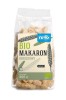
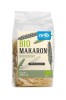
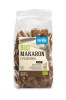
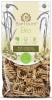
Emmer, sold in some kitchens as farro, is a different hulled wheat with a firmer, more savoury character. The organic wholemeal emmer pasta fusilli from Alce Nero is an organic wholemeal pasta in the strict sense, since nothing goes into it but wholemeal emmer flour and water. Its panel gives 5.7 g of fibre and 12 g of protein per 100 g, which makes that pack a source of fibre and a source of protein by its own label.
Einkorn, the oldest of these wheats, is milled and shaped in much the same way, and emmer pasta and einkorn need the same respect for the printed time.
Which higher-protein pasta suits the same dishes?
Legume pasta is the usual answer, and it does not cook like wheat at all. Red lentil, green pea, chickpea, edamame, adzuki bean and black bean shapes carry more protein than wholemeal wheat, and the protein source and fibre type change how much water they take up and how quickly they pass al dente.
Our high-protein pasta works in the same bowls as the wholemeal kind: tomato sauces, bakes and cold salads. Cook it by the directions on its own pack and drain it a shade early the first time you try a new one.
Which sauces work with wholemeal pasta?
Sauces with body and a little sweetness balance a grain-forward flavour best. The bitter, branny notes rise with the wholegrain share, so a thin cream or a delicate butter sauce is left carrying nothing. That is a preference rather than a rule; if you want the grain to lead, good olive oil, garlic and parsley are honest enough.
Four families of sauce sit well against wholemeal shapes:
- Tomato and slow-cooked ragu: acidity and long-cooked sweetness cut through the bitterness without hiding it.
- Roasted vegetables: peppers, courgette and squash bring caramel notes that echo the toasted taste of bran.
- Mushrooms: savoury depth meets the wheatier flavour halfway instead of fighting it.
- Nut and seed pestos: walnut, hazelnut and pumpkin seed pick up the nuttiness already in the grain.
Whatever you pour over it, finish the pasta in the sauce for a minute with a splash of the cooking water. The starch in that water is what makes a sauce cling rather than slide off.
Getting wholemeal pasta right at home
None of this needs a new pan or a new technique. Start with a shape you can buy again, note what its pack says, and bite a piece two minutes before that time is up. Write the result on the box if it helps, because the second attempt is usually the one that lands.
Knowing how to cook wholemeal pasta well comes down to four variables: the grain, the water, the moment you stop the cooking and the sauce that meets it. Change one at a time and wholemeal pasta stops being a gamble.
Frequently asked questions about wholemeal pasta
Why does wholemeal pasta need a stronger sauce?
It does not strictly need one, though a mild sauce disappears against the grain. If you prefer something light, use less of it and season it harder, or pick a ridged shape that holds a thin dressing on its surface.
How long should wholemeal pasta cook?
Follow the time printed on your pack and start checking a piece two minutes before it ends. Thin shapes can be ready in around eight minutes, thicker ones take well over ten, and the same grain differs between mills.
Why does wholemeal pasta taste bitter?
The bitterness comes from the bran and germ, which carry compounds the endosperm does not. It also shifts with how finely the grain was milled and how the pasta was dried. Freshness plays a part too, since wholemeal flour holds oil from the germ and an old pack tastes sharper and flatter.
Can you cook wholemeal pasta in advance?
Yes, with a little care about cooling. Drain it firmer than you want it, cool it quickly and chill it within two hours, then eat it within a couple of days and reheat it once only. A spoonful of oil keeps the shapes separate in the fridge.
Does wholemeal pasta work in a bake?
It does, as long as you stop the first cook early. Sauce and oven heat keep hydrating the shapes, so drain them several minutes short of al dente and keep the sauce looser than you would for a plate.