 SAME DAY DISPATCH; ORDER BY 2PM
 SECURE PAYMENT
  4.8/5 RATING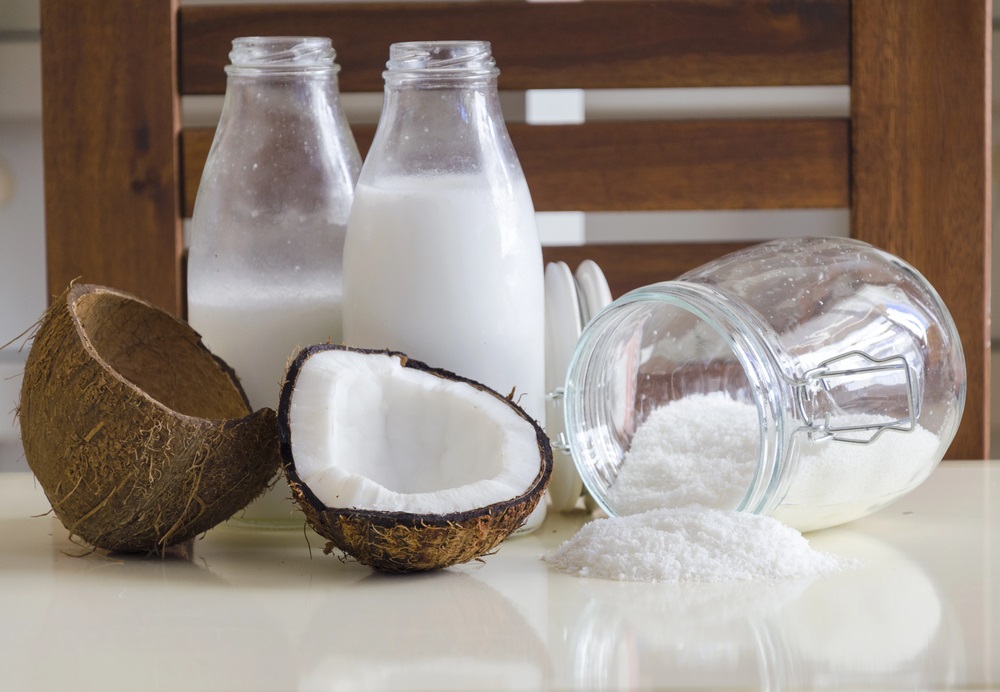
Coconut flour has many uses in the kitchen. Are you wondering what to use it for? Or maybe you haven’t had a chance to try it yet? Find out whether coconut flour is healthy and when it’s worth using it.
What is coconut flour?
Coconut flour is made from finely ground, dried coconut meat after part of the fat and coconut milk have been removed. The result is a pale, soft powder with a fluffy texture. Compared to grain flours, it stands out because it:
● has very high fiber content – can absorb several times its weight in liquid,
● has a low glycemic index – helps stabilize blood sugar,
● contains medium-chain triglycerides (MCT fats) – quickly converted into energy,
● is naturally gluten-free – perfect for gluten-free baking, but needs binders like eggs or psyllium husk.
Is coconut flour healthy?
Yes – coconut flour is healthy when used as part of a varied diet. Its high fiber supports satiety and digestive health, while MCT fats provide a quick energy source. It’s also gluten-free, making it suitable for those with celiac disease or gluten sensitivity. However, it shouldn’t be your only type of flour – variety is important for balanced nutrition.
Is coconut flour keto?
Absolutely – coconut flour is keto-friendly. It’s low in net carbs and high in fiber, which fits perfectly into a ketogenic diet. It also provides MCT fats that can help maintain energy levels during low-carb eating.
In practice, it works well in keto pancakes, muffins, breads, and other coconut flour recipes. Just remember: it absorbs liquids like a sponge, so you can’t replace wheat flour 1:1. For best texture, mix it with almond or flaxseed flour.
Does coconut flour taste like coconut?
Yes – but only slightly. Coconut flour has a mild coconut aroma and a naturally sweet note, but it’s not overpowering. In desserts like muffins or pancakes, it enhances the flavor. In savory dishes, you can balance it with herbs and spices such as garlic, paprika, or lemon pepper.
What to make with coconut flour?
If you’re wondering, what to make with coconut flour, here are some proven ideas.
● Pancakes and crepes – coconut flour + eggs + plant-based milk + baking powder.
● Muffins – blend coconut flour with almond flour for better texture, add yogurt or banana for moisture.
● Crispy coating – mix coconut flour with Parmesan and spices for chicken or fish.
● Thickening soups and sauces – add slowly, about ½ teaspoon per serving.
● Smoothie boost – a tablespoon adds fiber and creaminess.
For baking enthusiasts, try keto bread: coconut flour, eggs, olive oil, psyllium husk, salt, and baking soda – bake 25–30 minutes at 180°C (350°F).
Check also: What is keto bread? How to make it?
How to use coconut flour?
Because it absorbs so much liquid, how to use coconut flour requires a few rules.
● Replace 1 cup of wheat flour with ⅓–½ cup of coconut flour + an extra egg.
● Use about 1 egg per 15–20 g (0.5–0.7 oz) of coconut flour.
● Let batter rest 3-5 minutes before baking.
● Reduce sweetener – coconut flour is naturally a little sweet.
Coconut flour in your kitchen – summary
● Coconut flour is ground, dried coconut meat, high in fiber, gluten-free.
● Coconut flour is healthy – supports digestion, satiety, and stable blood sugar.
● Coconut flour is keto – low net carbs and rich in MCT fats.
● Does coconut flour taste like coconut? – Mildly sweet and aromatic.
● You can made pancakes, muffins, bread, coatings, sauces with coconut flour.