

 SAME DAY DISPATCH; ORDER BY 2PM
 SECURE PAYMENT
  4.8/5 RATING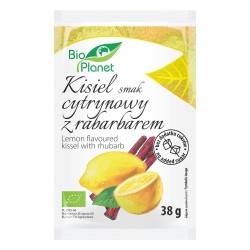
- V
- SF
- O
* suitable for vegans
* BIO certified
* sugar free
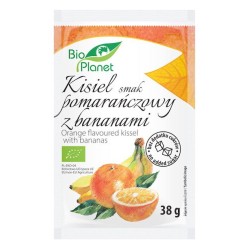
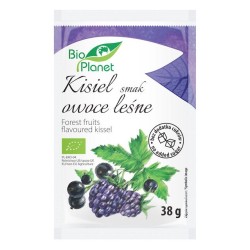
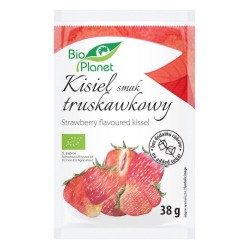
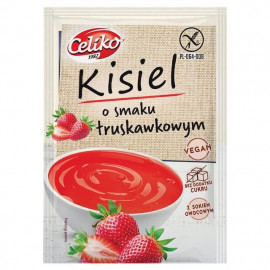
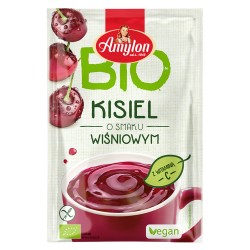
- Bestseller
- V
- GF
- O
Organic gluten-free cherry-flavored jelly, perfect with fresh fruit.
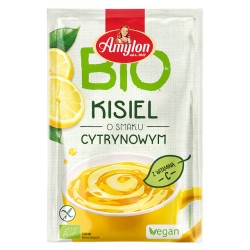
- Bestseller
- V
- GF
- O
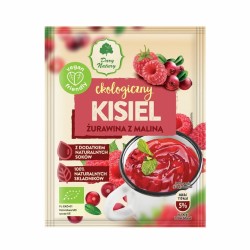
Gluten-free jelly enriched with vitamin C.
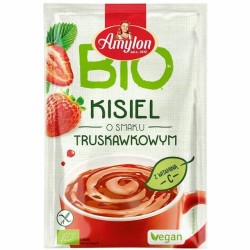
- Bestseller
- V
- GF
- O
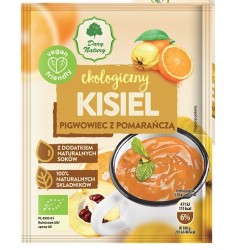
Gluten-free jelly enriched with vitamin C, perfect as a dessert.
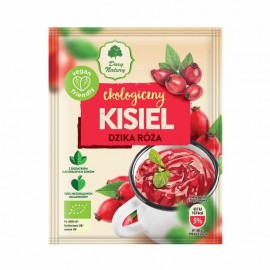
Jelly powder
A jelly powder is only as good as its label: how firmly it sets, what sweetens it, and whether it fits a sugar-free, vegan or gluten-free diet. In our range those options sit side by side, from classic fruit flavours to sugar-free jelly powder sweetened with xylitol, erythritol or stevia. Find the one that suits your diet and your sugar limit!
What to look for in a healthier jelly powder
A few lines on the label decide whether it is a cleaner choice. Sugar-free has to meet a strict legal limit; no-added-sugar means something else again. The sweetener changes the taste, the gelling agent decides whether the jelly is vegan, and allergens, colours and servings-per-pack are the last checks.
Browse jelly powder by need
This shelf splits by the reason you are shopping: some want the sugar gone, some a certified organic tub, and some a jelly for a vegan or coeliac diet.
Sugar-free jelly powder
It earns this label only when the set dessert holds at or below 0.5 g of sugars per 100 g, the legal limit in Great Britain. The sugar is swapped for a sweetener such as erythritol, xylitol or steviol glycosides, so it still sets firm and fruity. Pick one whose sweetener suits your household.
Organic jelly powder
This label has to clear a certification bar, not a marketing one: at least 95% of the agricultural ingredients must be organic, from a certified supplier. Organic alone says nothing about sugar or calories, but usually means cleaner sourcing and fewer additives. The same logic runs through our healthy jams, worth a read beside any organic jelly powder.
Gluten-free & vegan jelly
These two labels answer different questions. Gluten-free jelly must test at or below 20 mg/kg of gluten, the one free-from claim with a fixed legal maximum. Vegan jelly hangs on the gelling agent: gelatine is animal-derived, so a vegan set needs hydrocolloids such as agar, pectin or carrageenan.
The two do not travel together: a vegan jelly can still contain gluten, and a gluten-free one can still contain gelatine.
How to make sugar-free jelly at home
Home-made jelly follows the classic method, so four steps take it from powder to pudding. Dissolve the powder in hot water at the ratio printed on the pack, then add cold water or ice to the stated volume and stir until it runs clear. Chill until firm, usually a few hours in the fridge, then add fruit last, and only the fruit the instructions say will set.
From there a sugar-free jelly portions into lunchbox pots or a party mould, the same trick behind many of our healthy sweets for kids.
Jelly as a low-calorie dessert
Whether jelly counts as a low-calorie dessert comes down to the prepared serving, not the powder in the tub. A sugar-free set made with water carries very little energy per portion, yet it is not calorie-free, so trust the nutrition panel per prepared serving, not the dry weight. For more indulgence, our healthy chocolate is an easy swap.
Frequently asked questions about jelly powder
Is sugar-free jelly powder suitable for kids?
It can be, once you have read the label. Some polyols are laxative in large amounts and a few colours carry an attention warning for children, so check the serving size too.
How much jelly does one pack make?
It varies by brand and pack size, so the box has the real answer – use the servings-per-pack figure, since concentrated and single-serve packs differ a lot.
Which jelly powders are vegan or gluten free?
The ones whose labels confirm it – neither is safe to assume from the word “jelly”. Lean on the diet filters and certification logos, not the flavour name.
How many calories are in sugar-free jelly?
Fewer than a sugar-set version, but not zero. The saving comes from the sweetener itself, which contributes less energy than the sugar it replaces once the jelly is made up.