 SAME DAY DISPATCH; ORDER BY 2PM
 SECURE PAYMENT
  4.8/5 RATING
L-arginine has been discussed in the world of supplementation for years. Some people associate it mainly with training performance, others with circulation or overall wellbeing. The truth usually lies somewhere in between. To understand what does L-arginine do, it helps to move away from marketing claims and look at it as what it truly is — a supportive tool, not a miracle supplement.
What is L-arginine?
L-arginine is an amino acid that the human body can produce naturally. However, this internal production does not always cover real physiological needs. During periods of increased physical activity, chronic stress, intense mental work, or simply with age, arginine levels may become insufficient. This is when supplementation may be useful — not as a stimulant, but as nutritional support for normal bodily functions.
Understanding what is L-arginine used for starts with recognising that it works gradually and systemically, not instantly.
How does L-arginine work in the body?
When asking what does L-arginine do, most explanations lead to nitric oxide (NO). L-arginine is a precursor to nitric oxide, a compound responsible for widening blood vessels.
This process improves circulation and overall blood flow.
Improved blood flow supports:
oxygen delivery to tissues,
nutrient transport,
removal of metabolic waste.
For physically active people, this may mean better muscle engagement, reduced discomfort during exercise, and improved recovery. For non-athletes, what is L-arginine good for often comes down to daily comfort — reduced fatigue, better focus, and a more balanced feeling throughout the day. These effects are subtle and cumulative rather than immediate, which is why L-arginine is best viewed as part of a long-term routine.
What is L-arginine used for in everyday life?
What is L-arginine used for depends largely on lifestyle.
- Athletes often use it before training.
- Office workers may use it to support circulation and daily energy levels.
- Others include it in evening routines as part of recovery and regeneration.
It’s important to note that L-arginine works best alongside proper sleep, nutrition, and stress management. No supplement can compensate for poor lifestyle habits.
How much L-arginine per day?
One of the most common questions is how much L-arginine per day should be taken. Most general guidelines suggest a range of 2–6 grams daily, but this is only a reference point.
Actual needs depend on:
body weight,
activity level,
supplement form,
individual tolerance.
For beginners, starting with a lower dose and increasing gradually is advisable. In practice, controlling how much L-arginine per day is easiest when using capsules with clearly defined dosages.
L-arginine supplements – what to look for
When choosing a supplement, simple and transparent formulations are usually the best option.
Well-known choices include:
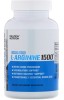
L-Arginine 1500 mg – Evlution Nutrition,
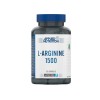
L-Arginine 1500 – Applied Nutrition,
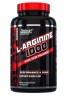
L-Arginine 1000 – Nutrex,
L-Arginine – BioTechUSA.
More advanced users sometimes choose combinations such as arginine with citrulline to further support nitric oxide production.
How does L-arginine work? Key takeaways
What is L-arginine? A naturally occurring amino acid with an important physiological role.
What does L-arginine do? Supports blood flow and processes linked to endurance and recovery.
What is L-arginine good for? Improving daily comfort and supporting physical performance.
How much L-arginine per day? As much as your body needs — not as much as marketing suggests.
Learn more from our blog
What are probiotics? When to take it?