 SAME DAY DISPATCH; ORDER BY 2PM
 SECURE PAYMENT
  4.8/5 RATING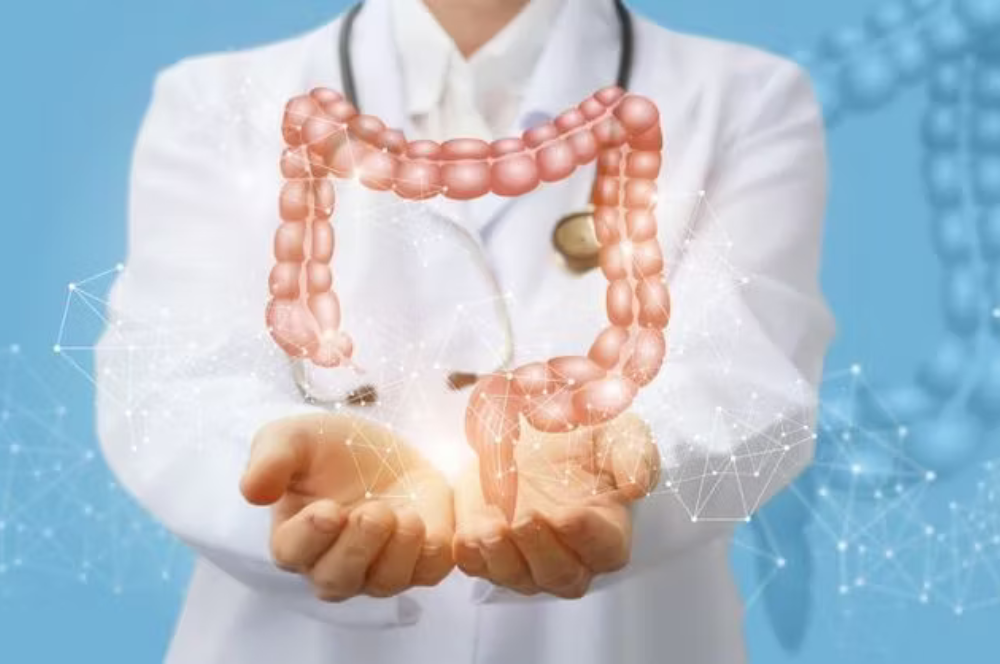
Probiotics have gone far beyond being something you take “only when using antibiotics.” Today, more and more people include them as a daily tool to support immunity, digestion, skin health and overall wellbeing. Still, many questions return: what are probiotics, what do probiotics do, what are probiotics good for, when to take probiotics, how long does it take for probiotics to work, and is it worth taking them regularly?
What are probiotics and why are they important?
Although probiotics are often associated with supplements, they are actually live, beneficial microorganisms that naturally occur in the body. They support a balanced gut microbiome — an ecosystem that influences digestion, immunity, metabolism and even mental wellbeing.
When we ask “what is probiotics?” or “what are probiotics?”, we refer to specific bacterial strains that:
- support gut flora balance,
- aid digestion,
- strengthen the immune system,
- prevent harmful pathogens from growing,
- help produce certain vitamins.
What do probiotics do? Key benefits explained
Many people question what probiotics actually do and whether supplements offer more benefits than fermented foods. Their effectiveness comes from specific strains and their ability to reach the intestines intact.
- Main benefits include:
- strengthening the intestinal barrier,
- reducing bloating and supporting digestion,
- rebuilding the gut after antibiotics,
- boosting immune function,
- reducing inflammation,
- supporting metabolism and glucose regulation,
- improving mood via the gut–brain axis.
What are probiotics good for?
Probiotics are mainly used to restore balance — something easily disrupted by stress, lack of sleep, poor diet or antibiotics.
Common uses:
- during and after antibiotics,
- for diarrhoea, constipation and bloating,
- for low immunity,
- for food intolerances,
- as support for IBS,
- for acne and eczema.
When to take probiotics?
Timing and consistency matter.
General rules:
- on an empty stomach or before meals — most probiotics,
- with food — selected strains that need extra protection.
Situational guidelines:
- with antibiotics — take 2–3 hours after the dose,
- diarrhoea — minimum 14 days,
- chronic stress / IBS / skin issues — 8–12 weeks,
- prevention — 1–2 months several times a year.
How long does it take for probiotics to work?
The microbiome needs time to rebuild.
- digestion comfort — 5–14 days,
- immunity — 3–6 weeks,
- after antibiotics — 6–12 weeks,
- skin support — 8 weeks,
- bowel regularity — days to weeks.
How to take probiotics correctly?
To maximise effectiveness:
- avoid hot drinks after taking probiotics,
- take them at the same time daily,
- choose products with clearly described strains,
- stay consistent,
- include prebiotic fibre in your diet.
Different forms of probiotics — which should you choose?
Capsules – simplest and most popular
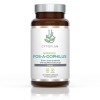
Example: Fos-a-Dophilus Cytoplan.
Powders – ideal for mixing
Example: Probiotic-10 Powder NOW Foods.
Combined formulas (enzymes + probiotics)
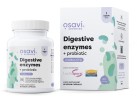
Example: Digestive Enzymes + Probiotic Osavi.
What are the best probiotics?
The best probiotic should be:
- standardised,
- labelled with specific strains,
- matched to your goal,
- free from unnecessary additives.
Are probiotics safe?
For healthy individuals — yes.
People with weakened immunity should consult a doctor.
How long should you take probiotics?
prevention — 1–2 months,
digestive issues — 2–3 months,
after antibiotics — 4–6 weeks,
IBS / chronic stress — around 3 months.
Summary — key points to remember
What are probiotics? Live microorganisms that support the gut microbiome.
What do probiotics do? Improve digestion, immunity and mood.
What are probiotics good for? Gut balance, immunity, bowel function and skin.
When to take probiotics? Mostly before meals or on an empty stomach.
How long does it take for probiotics to work? Days to weeks depending on the goal.
Learn more from our blog
What is milk thistle good for?
What are the benefits of spirulina? Who should take it?
What is turmeric good for? Is it worth taking?