 SAME DAY DISPATCH; ORDER BY 2PM
 SECURE PAYMENT
  4.8/5 RATING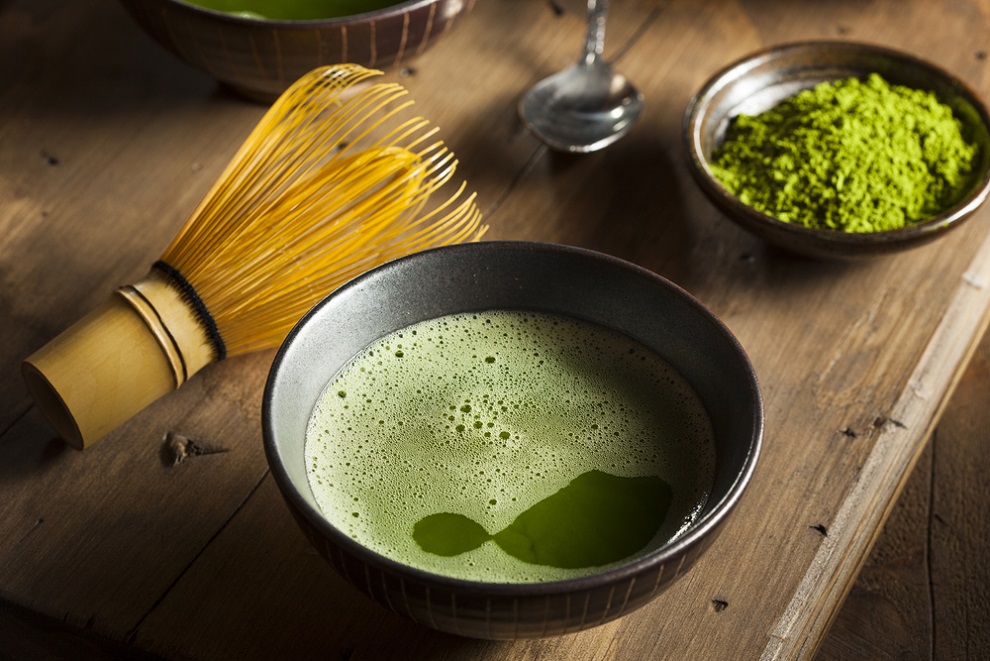
How to drink matcha powder: 5 ways to prepare it
Open a fresh tin of matcha and the next step is simpler than it looks: you whisk the fine green powder into hot water and drink it whole, leaves and all. At 4ecoshop we are asked how to drink matcha powder more often than almost anything else. The short version is five simple methods, a teaspoon-sized serving and water at about 80°C, not boiling. Each method below builds on the same few steps, so your first cup lands the way you like it!
Matcha basics:
- Five simple ways: whisk it traditionally, make a latte, blend it into a smoothie, fold it into desserts or stir it into kombucha.
- One teaspoon per serving: a standard portion is 1 to 2 grams of powder, roughly a level teaspoon.
- Water at about 80°C: matcha is whisked with hot, not boiling, water so the flavour stays smooth rather than bitter.
- Whisked, then drunk whole: a bamboo whisk works the powder into a smooth, frothy cup that you drink leaf and all.
- Yes, you can eat it raw: matcha is simply ground leaf, so it also works dusted over food or stirred into baking.
What is matcha powder?
Matcha powder is finely ground green tea, made from whole leaves milled into a soft, bright green dust. You whisk the powder into liquid and drink the whole leaf, which is what gives matcha its vivid colour and fuller body than a brewed cup of green tea.
It is sold in two broad grades, ceremonial and culinary, a distinction we come back to near the end. Browsing a single matcha category is the quickest way to see how those grades are described on the label.
How is matcha made?
Matcha is made from a shade-grown green tea called tencha. For the last few weeks before harvest the bushes are covered, which slows growth and deepens the colour of the young leaves.
After picking, the leaves are steamed, dried and separated from their stems and veins, leaving flat tencha flakes. These are then stone-ground on traditional stone mills into the fine powder you scoop from the tin, a slow process that keeps matcha smooth rather than gritty.
How do you prepare traditional matcha?
Traditional matcha is whisked, not brewed: you sift the powder, add hot water and work it into a froth with a bamboo whisk. The whole thing takes a couple of minutes once you have the kit to hand.
Here is the traditional method, step by step:
- Sift the powder: pass 1 to 2 grams of matcha, about a level teaspoon, through a small sieve into a wide bowl so it whisks smoothly.
- Add hot water: pour in around 70 ml of water at about 80°C, hot but well off the boil.
- Whisk to a froth: hold the bamboo whisk lightly and move it briskly in a W or zig-zag shape until a fine foam forms on top.
- Drink it straight away: matcha settles quickly, so enjoy it within a minute or two while the froth is still there.
If the drink tastes sharp, your water was probably too hot; next time let the kettle stand for a minute before you pour. With a little practice the W-shaped motion becomes second nature.
What do you need to whisk matcha?
You need three things to whisk matcha well: a bamboo whisk (chasen), a wide bowl and a small sieve. The whisk is the part that does the work, since its fine bamboo prongs create the froth that a spoon simply cannot.
A ready-made matcha brewing kit gathers the whisk, scoop and stand in one set, which saves buying each piece separately when you are starting out.
How do you make a matcha latte?
For a matcha latte, first whisk 1 teaspoon of powder with about 50 ml of hot water into a smooth paste, then top it with roughly 200 ml of warm milk. Making the paste first is the trick that stops the matcha clumping once the milk goes in. Any plant milk works, and a little maple syrup or honey softens the flavour.
How do you add matcha to a smoothie?
To add matcha to a smoothie, blend 1 teaspoon of powder with half a banana, a handful of spinach and about 200 ml of your liquid of choice, such as coconut water or a plant milk. Because nothing is heated, this is one of the easiest ways to use matcha, and the banana rounds off its grassy edge. Blend until smooth and drink it fresh, while the colour is at its best.
How do you use matcha in desserts?
Matcha works in desserts wherever you want a green colour and a gentle, slightly bitter tea note, from cheesecakes and cookies to ice cream and pancakes. Sift a teaspoon or two evenly into your dry ingredients so it disperses rather than streaking the mix.
It also pairs well with white chocolate and berries, the combination behind these gluten-free matcha cookies if you would rather taste it before you bake. For more along those lines, the wider healthy sweets range shows how matcha sits next to other lighter treats.
How do you make kombucha with matcha?
Kombucha with matcha is simply a glass of kombucha, the tangy fermented tea, with a shot of prepared matcha stirred through it. Whisk 1 teaspoon of matcha as you would for a traditional cup, let it cool, then pour it into about 100 ml of kombucha over ice. The result is a sharp, refreshing long drink where the fermented tang meets matcha's grassy note.
Can you eat matcha powder raw?
You can eat matcha powder raw, because it is nothing more than finely ground tea leaf. Straight from the tin it tastes intense and slightly bitter, so it works best worked into food in small amounts, a pinch at a time.
A few easy ways to eat it without whisking:
- Dusted over breakfast: sift a small pinch over porridge, yoghurt or fruit for colour and a green tea note.
- Stirred into baking: fold a teaspoon into pancake batter, energy balls or biscuit dough before cooking.
- Blended into drinks: whisk or shake it into cold water, lemonade or a smoothie when you want it raw and quick.
Start with less than you think you need, as a little matcha goes a long way and too much turns a dish sharp. Keeping the powder dry between uses also protects its colour and flavour.
How much matcha powder should you use?
As a rule, use 1 to 2 grams of matcha per serving, which is roughly a level teaspoon. The exact amount depends on how you are drinking it and how strong you like the flavour.
A rough guide by preparation:
- Traditional bowl: 1 to 2 grams whisked with about 70 ml of water at 80°C.
- Latte: 1 teaspoon made into a paste, then topped with around 200 ml of milk.
- Smoothie or baking: 1 teaspoon blended or folded in, adjusted to taste.
If matcha is new to you, err on the smaller side and build up once you know how strong you like it. A single tin of organic matcha powder lasts a good while at a teaspoon per serving.
What is the best way to drink matcha?
The best way to drink matcha is the one you will happily repeat, which for most people is either a traditional whisked bowl or a simple latte. A whisked bowl gives you matcha at its purest, while a latte is the gentler, milkier introduction that suits an everyday cup.
If you are still finding your feet, start with a latte and move to a traditional bowl as you get used to the flavour. The right method is simply the one that fits your taste and your morning.
Getting started with matcha at home
You need surprisingly little: a tin of powder, a small whisk and water just off the boil. Pick one method to begin with, ideally a latte or a traditional bowl, and make it the same way for a week until it feels automatic. Once the basic cup is second nature, branching out into smoothies, desserts and cold drinks follows easily, and the rest of the herbal teas range is worth a look when you fancy a change.
Bring home a tin of matcha and a bamboo whisk from 4ecoshop, choose the method that suits your morning, and whisk your first proper bowl today!
Frequently Asked Questions about matcha powder
Does matcha contain caffeine?
Yes, matcha contains caffeine, because you drink the whole ground leaf rather than a light infusion. As a rough guide it sits above a standard cup of green tea and below a coffee, though the exact amount varies with the grade and how much powder you use. If you are sensitive to it, keep matcha to earlier in the day.
Can you drink matcha every day?
Matcha is fine as an everyday drink for most people, in the same way as any other green tea. One to two servings a day is a typical amount; if you are pregnant, or watching your caffeine for any reason, it is worth checking how much you are having across the day.
Is matcha the same as green tea?
Matcha comes from the same plant as everyday green tea, yet on the shop shelf they are different products. Plain green tea powder is usually milled sencha, so when you buy, look for the word matcha on the label rather than judging by the colour of the powder.
What does matcha taste like?
Matcha has a fresh, grassy, savoury flavour with a natural sweetness that comes through more in higher grades. Lower grades taste sharper and more bitter, which is why they are often chosen for lattes and baking where milk or sugar rounds them off.
What is ceremonial grade matcha?
Ceremonial grade matcha is made from the youngest, first-harvest leaves and is meant to be whisked with water and drunk on its own. Culinary grade uses slightly later leaves and a stronger flavour that stands up to milk, sugar and baking, which makes it the more practical everyday choice.
How should you store matcha powder?
Keep matcha in an airtight tin, away from light, heat and moisture, and it will hold its colour and flavour far longer. Once opened it is best used within a few weeks, so buy a size you will realistically get through.