 SAME DAY DISPATCH; ORDER BY 2PM
 SECURE PAYMENT
  4.8/5 RATING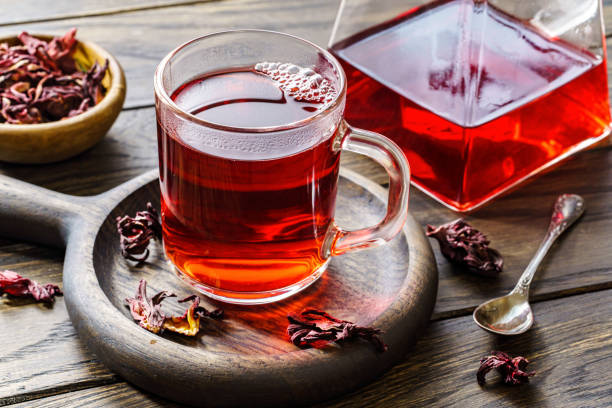
Hibiscus tea: benefits, taste and the best time to drink it
Five to ten minutes in water just off the boil turns dried hibiscus calyces into a deep ruby cup with a sharp, fruity edge. If you are after a caffeine-free brew for every day, that timing is the first thing to get right. Hibiscus tea rewards precision: left longer it turns darker and more astringent, pulled early it stays light. Follow the timings, tasting notes and pairings below, and you will know how tart to brew your cup!
The essentials of hibiscus tea:
- Any time of day works: the calyces carry no caffeine, so evenings stay as open as mornings.
- Sharp and fruity: the taste lands close to cranberry, and honey or citrus softens it.
- Ruby colour from anthocyanins: the natural pigments give a deep red that stains cups and cloth.
- Strength follows the clock: loose calyces take five to ten minutes at 90–95°C; sachets follow the pack.
- Mostly a blending flower: on our shelf hibiscus turns up chiefly in mixes with dandelion root, nettle or cranberry, with one pure-flower sachet beside them.
What is hibiscus tea?
Dried calyces of Hibiscus sabdariffa, the plant also known as roselle, are steeped to make hibiscus tea. The part that goes into the cup is the calyx, the fleshy red cup left around the seed pod after the flower drops, and it gives the brew its depth of colour.
The same drink travels under several names: karkade in Egypt and Sudan, where it is a staple in the heat, and agua de jamaica in Mexico, poured cold over ice with lime. A shelf of hibiscus tea reflects that range, with one pure-flower pack among blends built around it.
What is hibiscus tea good for?
An everyday cup with plenty of character and no caffeine is what hibiscus tea is good for: tart, fruity and deep red, poured hot in winter and over ice in summer. Questions about hibiscus tea benefits come back to those practical points and to the label.
It earns its place as a blending flower too, because a small share lifts the colour of a pot and adds acidity to milder herbs. Shoppers who brew dried plants often browse the powders and botanicals in superfoods as well, though hibiscus itself belongs with the teas.
What does hibiscus tea taste like?
Tart and fruity, closest to cranberry and redcurrant, with a clean, drying finish – that is what hibiscus tea tastes like. The acidity comes from fruit acids naturally present in the calyces, so the cup reads as a fruit drink even without sugar. Steeping time moves the flavour: a short brew stays juicy, while ten minutes gives a darker cup that carries honey or orange.
Does hibiscus tea have caffeine?
Caffeine in black, green and white tea comes from Camellia sinensis, the tea plant, and hibiscus is an unrelated plant, so a cup of hibiscus tea has no caffeine at all. Timing your cup therefore comes down to taste alone.
Is hibiscus tea a stimulant?
The lift people get from coffee or black tea comes from caffeine, and hibiscus calyces contain none, so hibiscus tea is not a stimulant. What you do notice is the acidity, sharp enough to feel refreshing on a hot afternoon.
How to make hibiscus tea?
Knowing how to make hibiscus tea at home comes down to three things: one to two teaspoons of dried calyces per cup, water at 90–95°C and a lid on top while it steeps.
A single cup comes together in four steps:
- Measure the calyces: one to two teaspoons per cup, or a single sachet if you brew by the bag.
- Pour water just off the boil: around 90–95°C draws out the colour without scorching the flower.
- Cover and steep: five to ten minutes for loose calyces, at the longer end for a sharper cup.
- Strain and finish: lift the calyces out, then add honey, orange or a handful of ice.
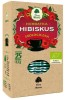
Sachets follow their own clock: the Dary Natury hibiscus bags ask for 10 to 15 minutes in freshly boiled water, so the time printed on the pack beats any general rule.
Is hibiscus water the same as hibiscus tea?
Hibiscus water is the same plant in a milder form: cold-brewed or diluted calyces served chilled, where hibiscus tea usually means a hot infusion at full strength. The difference sits in strength and temperature. Bottled versions often carry added sugar, which the label confirms, so brewing your own from an organic hibiscus tea pack keeps you in charge.
When is the best time to drink hibiscus tea?
Since there is no caffeine to keep you awake, the best time to drink hibiscus tea is whenever you fancy it. Warm weather nudges it towards the afternoon, chilled with lime and ice like agua de jamaica, while a hot mug suits a cold morning. The one moment worth a thought is before breakfast, because the acidity feels sharper on an empty stomach.
How often can you drink hibiscus tea?
Habit and taste mostly decide how often to drink hibiscus tea, and the pack in front of you is the reference point: the Dary Natury hibiscus box suggests twice daily on the label. Anyone taking regular medication can raise their daily routine with a doctor or pharmacist.
Does hibiscus tea have side effects?
Acidity is mainly behind hibiscus tea side effects: the brew is noticeably tart, and that can feel harsh on an empty stomach. Rinsing your mouth with plain water afterwards is the habit dentists suggest for any acidic drink.
Colour is the other practical thing to expect, because anthocyanins mark mugs, teeth and tea towels readily. Beyond that, herbs deserve the usual caution: anyone on regular medication should ask a doctor or pharmacist first.
What can you mix hibiscus tea with?
Hibiscus mixes readily with anything that stands up to acidity: mint, ginger, cinnamon, citrus peel, rooibos and dried fruit all work. Blends are where most people meet it, since a small share of the flower colours a whole pot.
Three blends show what hibiscus does in company:
- Dandelion root, hibiscus and cinnamon: the earthy, faintly bitter root leads, with hibiscus supplying colour and a tart lift.
- Hibiscus with nettle and liquorice: liquorice brings its own sweetness, so the cup finishes rounder than a pure pot.
- Cranberry and hibiscus: two tart fruits in one bag, the sharpest cup of the three.
The first of those is our dandelion root tea with hibiscus, built from 75% dandelion root, 15% hibiscus flower and 10% Ceylon cinnamon and brewed for three to six minutes at 90°C. Dandelion and hibiscus tea of that kind is a gentle way in, as is the nettle blend, where hibiscus sharpens a base that alone brews like plain nettle tea. Pure calyces come as a single sachet pack.
Hibiscus tea in your daily routine: where to start
Start with one pack and one method: a teaspoon of calyces or a single sachet, water just off the boil, a lid on the mug and a timer running. Once you know your own kettle and clock, push the steep longer for a darker cup or pull it early for something lighter.
The next step is usually a blend, then a cold jug for warm days, and eventually a small rotation among other herbal teas, so no single flavour wears out its welcome.
Reach for a hibiscus pack at 4ecoshop, brew it once by the clock and once by taste, and you will quickly know which strength earns a place in your week!
Frequently asked questions about hibiscus tea
Can you drink hibiscus tea every day?
You can, and plenty of people do, though the directions printed on the pack are the sensible reference for how many cups. Taste is the other limit: alternating hibiscus with milder herbal teas keeps it enjoyable for longer.
Should you drink hibiscus tea in the morning or at night?
Either suits it, since there is no caffeine to disturb the evening. The practical split is time: a ten-minute steep is easier at night than in a rushed morning, so brewing a jug after dinner and chilling it solves both.
Should you drink hibiscus tea before or after a meal?
After a meal is the easier option for most people, because the acidity is far less noticeable once you have eaten. Between meals it works too; brew it briefly or dilute it if the tartness feels sharp.
Is hibiscus tea good for women?
What decides a cup of hibiscus tea is the pack itself: caffeine-free, tart and ready to serve hot or over ice. Anyone cutting back on caffeine can check those same details before buying.
Is hibiscus tea safe during pregnancy?
Herbal infusions in pregnancy and while breastfeeding are worth discussing with a doctor or midwife, who can advise on your own situation. The neutral facts are that hibiscus carries no caffeine and that the pack lists what is inside.