 SAME DAY DISPATCH; ORDER BY 2PM
 SECURE PAYMENT
  4.8/5 RATING
What is fine salt? This question is being asked by more and more people who want to make informed choices in the kitchen. Fine salt, also known as fine-grained salt, is one of the most popular culinary additives. But how does it differ from other types of salt? What are its properties and how to use it? Below you will find answers to these questions.
What is fine salt?
It is a salt with small crystals that dissolve easily, making it ideal for everyday cooking. Unlike coarse salt, fine salt doesn't require grinding and quickly adds flavor to dishes. It can come from various sources – mines, seas, or saltwater lakes – and its composition depends on the location of extraction.
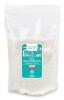
It's most often composed primarily of sodium chloride (NaCl), but it can contain minerals such as magnesium, calcium, or potassium, especially in unrefined salts like Kłodawa Fine Ground Unrefined Salt. Fine salt is versatile – it works well in soups, salads, baked goods, and sauces.
What is fine sea salt?
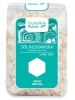
It's a salt obtained by evaporating seawater, which gives it more minerals than regular table salt. This gives it a more subtle flavor and a grayish hue, sometimes with a slightly moist texture. Fine sea salt, like Naturavena Finely Ground Iodized Sea Salt, is rich in magnesium, potassium, and calcium, making it a popular choice among health-conscious individuals. Its small grains are ideal for seasoning dishes, from salads to fish and vegetables.
Sea salt is less processed than table salt, meaning it retains more of its natural properties. Use it in cooking or as a finishing touch to enhance flavor. It's also valued in cosmetics – sea salt baths detoxify and relax the skin.
Check also: Is Himalayan salt good for you?
What is fine salt for baking?
Wondering what fine baking salt is? It's a salt with very small crystals that dissolves evenly in dough, ensuring a uniform flavor. Salt is crucial in baking because it enhances the flavor of other ingredients, such as flour or sugar, and helps dough rise. Fine-grained salt is most often used for this purpose. If you're baking bread or cakes, fine salt is better than coarse salt because it doesn't leave lumps. You can also use finely ground sea salt, which will add a subtle, maritime flavor to baked goods.
What is fine-grained salt?
A common question when talking about salt is what fine-grained salt is. It's a salt with small crystals that dissolves quickly and is ideal for everyday cooking, baking, or seasoning. It can be rock salt, sea salt, Himalayan salt, or even exotic salt, like finely ground black Kala Namak salt, which has a distinctive, eggy flavor and is beloved in vegan cuisine.
Fine-grained salt is more versatile than coarse-grained salt because it doesn't require additional grinding and distributes evenly throughout dishes. Fine-grained salt is also often chosen in cosmetics – for example, for scrubs, because its small grains gently exfoliate the skin. Try finely ground sea salt for a homemade olive oil scrub.
How to make coarse salt fine?
It's simple and doesn't require any special tools. If you have coarse salt, you can grind it at home to achieve a fine-grained consistency. Here are a few ways:
• Spice grinder: pour coarse salt into a spice grinder and grind to a fine powder. This is a quick way to obtain fine-grained salt.
• Coffee grinder: use a clean coffee grinder to grind the salt. Make sure it's thoroughly cleaned to avoid a coffee aftertaste.
• Mortar: grind coarse salt in a mortar – this is a traditional method that allows you to control the grain size.
• Blender: in a small blender, blend the salt using short pulses until you obtain fine grains.
After grinding, store the salt in an airtight container to prevent it from absorbing moisture. You can use, for example, coarse Himalayan pink salt and grind it at home.
Properties of fine salt
Fine salt has many properties that make it indispensable in the kitchen and beyond:
• Culinary: the tiny grains dissolve quickly, making it ideal for soups, sauces, salads, and baked goods. It enhances the flavor of dishes and distributes evenly.
• Minerals: unrefined salt.
• Cosmetics: fine sea salt is great for exfoliation and brine baths, which detoxify and relax the skin.
• Special uses: Kala Namak black salt is valued in vegan cuisine for its eggy flavor, perfect for tofu or salads.
However, remember that salt, even fine-grained salt, should be used in moderation – the WHO recommends no more than 5 g per day to avoid health problems such as hypertension.
How to store fine salt?
Fine salt, especially unrefined salt like Kłodawa salt, can absorb moisture, so store it in an airtight container in a dry place. Iodized salt loses iodine when exposed to light, so store it in a dark place.
Frequently asked questions about fine salt
• What is the difference between fine and coarse salt? Fine salt has smaller crystals, dissolves faster, and is more versatile in the kitchen.
• Is fine salt healthier? It depends on the type – unrefined salt, like Himalayan salt, has more minerals, but all salt is mainly sodium chloride, so it should be used in moderation.
• Is fine salt suitable for everything? Yes, it's ideal for cooking, baking, and cosmetics, for example, Kala Namak black salt for vegan dishes.
What is fine salt? Properties Summary
• Salt with small crystals, ideal for cooking and baking, is finely ground salt.
• What is fine sea salt? Salt made from evaporated seawater, rich in minerals, like NaturAvena sea salt.
• What is fine baking salt? Salt with small grains that dissolve evenly in dough.
• How to make coarse fine salt? Grind it in a grinder, mortar, or blender.
• This is a universal salt with small crystals, e.g. Kala Namak black salt, for cooking and cosmetics.