 SAME DAY DISPATCH; ORDER BY 2PM
 SECURE PAYMENT
  4.8/5 RATING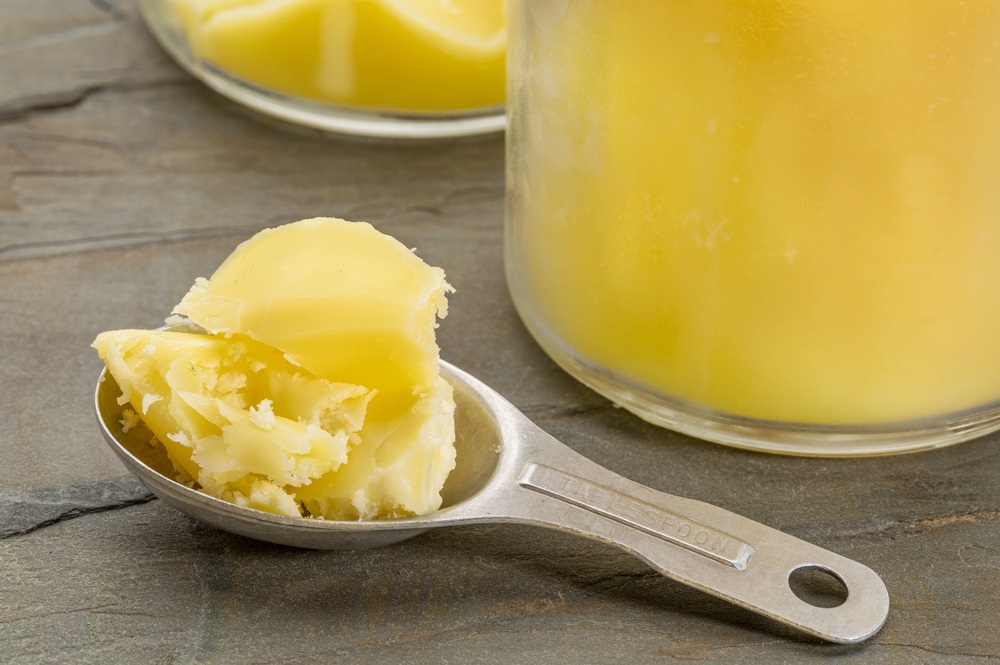
What is clarified butter and when to use it?
A pan taken up to serious heat turns ordinary butter dark and spitting, while the clarified kind carries on cooking. Clarified butter is milk fat with the water and the milk solids taken out. Take those two away and the fat that is left keeps a clean, buttery flavour under long frying. Read on to see how to pick the right dish for it!
Key takeaways:
- High heat is the strong suit: the figures quoted for ghee sit around 245–250°C, far above the point at which butter starts to brown.
- Ghee sits inside the same family: the name usually signals a longer, hotter make and a nuttier flavour.
- Baking often prefers the original: butter is around 80% fat, and the water and milk solids in the rest are exactly what many recipes lean on.
- Lactose travels with the solids: the milk solids separated during clarifying carry it away, while the fat itself is still labelled as a milk product.
- Dispatched from the UK: orders leave our warehouse in the United Kingdom and travel on Royal Mail 24h or 48h Tracked.
What is clarified butter?
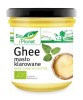
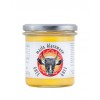
Clarified butter is the fat that stays behind once butter has been melted and stripped of its water and its milk solids. The 240 g jar of ghee we stock carries exactly that on its label: 100% milk fat from clarified butter, 100 g of fat per 100 g, of which 60 g are saturates, and zero carbohydrate, sugar, protein and salt.
Clarifying butter runs through four stages:
- Melting: the butter is warmed gently until it settles into layers.
- Evaporation: the water content boils away, which is when the surface stops bubbling.
- Separation: the milk solids drop to the bottom of the pan while a light foam gathers on top.
- Straining: the clear fat is poured or strained off and left to set.
What you end up with is stable at room temperature and behaves in a hot pan much more like an oil than like the butter it came from. The texture changes with the seasons too: soft and almost pourable in a warm kitchen, firm and spoonable in a cold one.
Clarified butter and ghee: is there a difference?
Ghee belongs to that family, and the difference is one of degree. The fat is usually held on the heat for longer, so the solids toast before they are removed and leave a nutty, faintly caramel note behind; a shorter, gentler process gives a flavour much closer to fresh butter. Retail naming does not follow that split neatly, and ghee vs clarified butter on a jar often reflects the tradition a producer works in.
Nothing else changes along the way. The raw material is butter in both cases, the method is the same in outline, and the result is a fat you treat the same way in the kitchen. Our own listing shows how narrow the gap is: the clarified butter category holds a single jar of ghee, worth a look if you want the nuttier end of that scale on your shelf.
Why can you fry at higher temperatures with clarified butter?
Because the two things that burn first have already gone. Water spits and cools the surface, milk proteins and sugars brown and then char, and once both are out of the way the remaining fat can be pushed further before it smokes. The clarified butter smoke point is commonly quoted at around 245–250°C, while ordinary butter starts to colour long before that.
Cooking with ghee therefore suits searing, stir-frying and roasting, and the absence of milk solids is why the pan stays free of brown flecks through a long sear. A high smoke point tells you when a fat begins to smoke, not how well it holds up over a long session in the pan. Changes inside the fat start to show from around 200°C, so treat the quoted figure as an outer limit and keep everyday frying comfortably below it.
When is ordinary butter the better choice?
Ordinary butter wins wherever a recipe depends on the parts that clarifying takes away. It is around 80% fat, and the water and milk solids making up the rest do real work: water turns to steam, and the solids brown into the flavour most people recognise as buttery.
Reach for ordinary butter in these jobs:
- Creaming with sugar: the soft, water-bearing texture is what traps air in a cake batter.
- Laminated pastry: steam from the water content is what pushes the layers apart.
- Pan sauces and finishing: the milk solids carry much of the flavour a butter sauce is built on.
- Browning on purpose: beurre noisette needs the very solids that clarifying removes.
Swapping one for the other by weight rarely works cleanly, so treat them as two different ingredients whenever a recipe was written around butter. The other fats you might reach for instead sit in the oils and cooking fats category, where the choice usually comes down to flavour and to the temperature you cook at.
Does clarified butter contain lactose?
Lactose sits in the milk solids, and clarifying is the step that separates those solids from the fat, so what goes into the jar is the fat fraction. That is a statement about composition and process: ghee is still labelled as a milk product in the UK.
Allergen information is printed separately from other dietary wording, which is easy to see across the gluten-free and free-from foods category, where the gluten statement and the allergen list are two different lines on the same pack. On a jar of ghee the allergen list names milk, while the gluten statement is a separate line about a different ingredient.
How do you store clarified butter?
Keep it sealed, cool, dry and out of direct light, and follow the storage line printed on the pack, including whatever it says once the jar is open. Because so little water is left, the fat is a poor home for microbes; the real quality issue is oxidation, driven by air, warmth and light.
How to store clarified butter is a matter of a few habits:
- Close the jar properly: air is the main thing that dulls the flavour over weeks.
- Use a dry spoon: crumbs and water carried in from other food spoil an otherwise stable fat.
- Move it away from the hob: steady warmth speeds up every change happening inside the jar.
- Follow the pack after opening: the producer sets that window, and it varies from product to product.
Butter clarified at home is a different case, because no tested shelf life stands behind it. Chilling it is the safer habit whenever you are unsure how clean the jar was or how much moisture stayed in the fat.
Using clarified butter: what to remember
Most of the decision comes down to heat and water. Where a dish needs high, dry heat, the clarified version does the job; where a recipe leans on the water and the fresh dairy flavour, ordinary butter earns its place. Keep the jar sealed and cool. Reach for the jar of ghee on our clarified butter shelf when your next pan needs to run properly hot!
Frequently asked questions about clarified butter
What does clarified butter taste like?
It tastes cleanly buttery, with the fresh dairy tang toned down and a warm, slightly nutty background that grows stronger the longer the fat was heated during production. In a finished dish it reads as rich and rounded, without the sweetness of a knob of butter melting on toast.
Can you make clarified butter at home?
You can, though a home batch and a shop jar are not the same proposition: one has a tested shelf life behind it, the other has whatever moisture and cleanliness your own pan and jar happened to deliver. That gap, not the method, is the reason the two are stored differently.
Does clarified butter need refrigerating?
A sealed jar keeps well in a cupboard, as long as it stands clear of the hob, because the fat is stable at room temperature. The fridge becomes the better spot once the jar is open, if the after-opening wording on the pack asks for it.
Is ghee suitable for frying?
It is, as long as one heating counts as one session and the same fat does not go back on the hob a second time. Changes inside the fat begin around 200°C, and that is what every further heating keeps building on.
How long does clarified butter keep?
Air, warmth and light shorten it faster than the calendar does, which is why an opened jar has a shorter run than one still sealed. The date and the after-opening window on the pack set the outer frame; how the jar is handled decides the rest.