 SAME DAY DISPATCH; ORDER BY 2PM
 SECURE PAYMENT
  4.8/5 RATING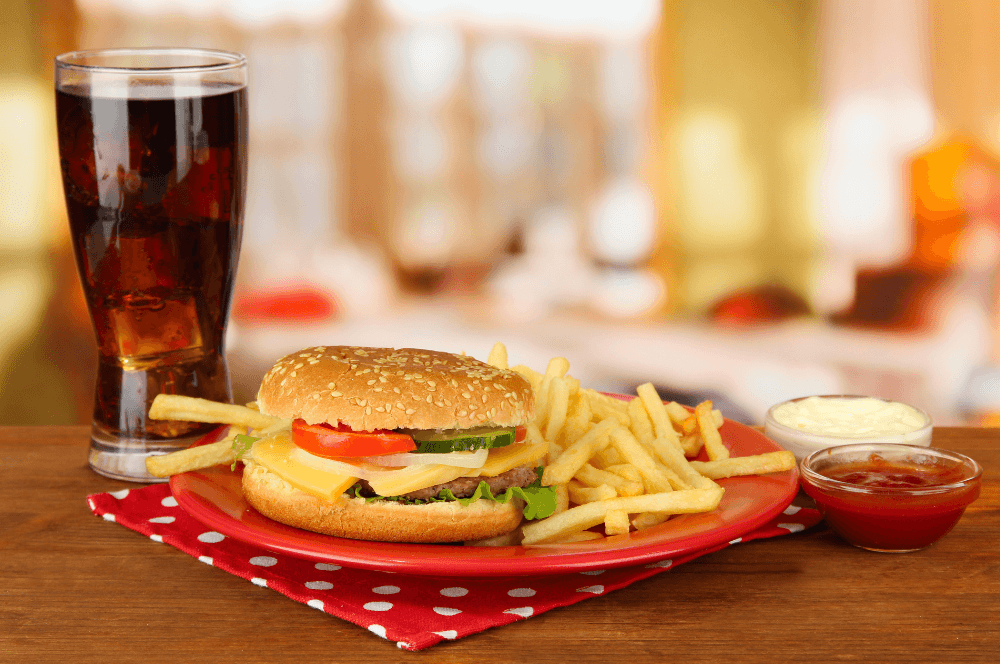
What are ultra-processed foods and why are more people avoiding them?
Across the UK, more consumers are paying attention to how foods are made and what ingredients they contain. One topic that continues to grow in popularity is the discussion around ultra-processed foods, often referred to as UPFs.
As awareness around food ingredients increases, many people are looking for simpler alternatives with shorter ingredient lists and less processing. This growing interest is also closely connected to the rising popularity of clean label food and more mindful shopping habits.
What are ultra-processed foods?
Ultra-processed foods are products that are typically made using multiple industrial ingredients, additives, flavour enhancers, preservatives and processing methods that are not commonly used in home cooking.
These products are often designed for convenience, long shelf life and strong flavour profiles.
Common examples of ultra-processed foods
Some commonly discussed examples of ultra-processed foods include:
- sugary breakfast cereals
- flavoured crisps
- packaged cakes and pastries
- instant noodles
- processed ready meals
- fizzy drinks and energy drinks
- sweetened snack products
- processed meats
- packaged desserts
Not all processed foods are viewed in the same way, and food processing itself is not always negative. However, many consumers are becoming more interested in foods with simpler ingredients and lower levels of processing.
Why are more people in the UK avoiding ultra-processed foods?
Growing awareness around ingredients
Consumers are increasingly reading ingredient labels and paying more attention to additives, artificial flavourings and highly refined ingredients.
Interest in simpler food choices
Many people are now choosing products with shorter ingredient lists and more recognisable ingredients as part of a balanced lifestyle.
The rise of clean-label foods
The clean-label movement continues to grow in the UK as shoppers look for foods that feel more natural, transparent and less heavily processed.
Foods people are choosing more often instead
As awareness around ultra-processed foods grows, many consumers are turning towards alternatives such as:
- organic snacks
- ancient grains
- wholegrain products
- kombucha and fermented foods
- natural nut butters
- herbal teas
- high-fibre foods
These products are often associated with simpler ingredient lists and more mindful eating habits.
Ancient grains and traditional foods are becoming more popular
Traditional ingredients such as spelt, einkorn and oats are becoming increasingly popular among consumers looking for less processed everyday food options.
Products like organic spelt pasta, wholegrain products and ancient grain flours continue to attract attention in the UK wellness and organic food market.
How to reduce ultra-processed foods in everyday life
Many people begin with small everyday changes rather than making extreme dietary adjustments.
Simple ideas include:
- reading ingredient labels more carefully
- choosing foods with simpler ingredients
- adding more fibre-rich foods to meals
- trying less processed snack alternatives
- including more wholegrain and fermented foods
The growing interest in more mindful food choices
Alongside the discussion around ultra-processed foods, many UK consumers are also becoming more aware of food waste, ingredient transparency and more conscious shopping habits.
You can also read our guide about clean-label foods and why more people are choosing products with simpler ingredients.
FAQ - ultra-processed foods
What are ultra-processed foods?
Ultra-processed foods are products made using multiple industrial ingredients, additives and processing methods designed to improve flavour, texture or shelf life.
Are all processed foods unhealthy?
Not all processed foods are viewed in the same way. Some processing methods are commonly used to improve food safety or preservation. Many consumers simply prefer foods with simpler ingredient lists.
Why are ultra-processed foods being discussed more often in the UK?
Awareness around ingredients, food quality and balanced lifestyles has increased significantly in recent years, making ultra-processed foods a popular wellness topic.
What foods are people choosing instead of ultra-processed products?
Many consumers are choosing wholegrain foods, fermented products, organic snacks, ancient grains and products with simpler ingredients.
How can I reduce ultra-processed foods?
Many people start by reading labels more carefully, cooking more at home and choosing foods with shorter and more recognisable ingredient lists.
Learn more from our blog:
What does gluten free mean? What products do we include in this group?