 SAME DAY DISPATCH; ORDER BY 2PM
 SECURE PAYMENT
  4.8/5 RATING
Iron is one of those nutrients we rarely think about until our body starts clearly signaling that something is wrong. Unexplained fatigue, trouble concentrating, pale skin, or brittle nails often turn out to be signs of iron deficiency. And then the questions arise: when to take iron supplements, how to do it wisely, and how long for iron supplements to work so you can regain your full energy.
When should you take iron supplements? Who should consider supplementation?
Not everyone needs additional iron. The first step is to get tested – check your complete blood count and ferritin levels. These will show whether you have an actual deficiency or if dietary adjustments may be enough. However, there are certain groups at higher risk of low iron levels:
● women with heavy menstrual bleeding,
● pregnant and breastfeeding women,
● people following a vegan or vegetarian diet,
● athletes (especially long-distance runners),
● those recovering from surgery or significant blood loss,
● patients with gastrointestinal conditions that impair nutrient absorption.
Even those with a well-balanced diet can experience iron deficiency –especially when relying mostly on plant-based foods. That’s because plant-derived iron is less efficiently absorbed than iron from animal sources.
How to take iron supplements?
Choosing a good product is only half the battle – how you take it matters just as much. Iron supplements are best absorbed on an empty stomach, taken with a glass of water or vitamin C-rich juice, which can multiply absorption several times.
Avoid taking iron at the same time as:
● coffee and tea – tannins bind to iron and reduce absorption,
● dairy products – calcium competes with iron for the same receptors,
● large amounts of fiber – can slow the absorption process.
Following these rules often leads to faster improvement in blood test results and reduces unpleasant side effects like stomach discomfort.
How long does it take for iron supplements to work?
One of the most common questions is: how long does it take for iron supplements to work? The answer is – it’s a gradual process. Noticeable improvements in bloodwork usually appear after 6-8 weeks of consistent use. If your deficiency is severe, replenishing hemoglobin and tissue iron stores may take several months.
Importantly, reaching normal test results does not mean you should immediately stop supplementation. A good practice is to continue for another 2-3 months to stabilize results and fully rebuild iron reserves.
What is the best iron supplement?
There’s no single best iron supplement for everyone – it depends on your tolerance, health status, and preferred form. Some well-regarded options include:
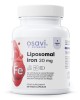
● Osavi Liposomal Iron – gentle on the stomach, ideal for sensitive digestive systems,
● Allnutrition Iron SR – slow-release formula for stable blood levels,
● Kiki Health Liquid Iron – great for those who dislike tablets,
● Child Life Liquid Iron – kid-friendly formula with a mild taste.
When and how to take iron supplements? Summary
● When to take iron supplements? – After a deficiency is confirmed by tests, especially for high-risk groups.
● How to take iron supplements? – On an empty stomach, with vitamin C, away from coffee, tea, and dairy.
● How long for iron supplements to work? – First effects after 6-8 weeks; full replenishment may take months.
● What is the best iron supplement? – One that suits your needs, tolerance, and preferred form.
After improving your results, continue supplementation for a few more months to maintain effects. Always consult your doctor before starting.
Check also:
· What is berberine? Benefits and advantages