 SAME DAY DISPATCH; ORDER BY 2PM
 SECURE PAYMENT
  4.8/5 RATING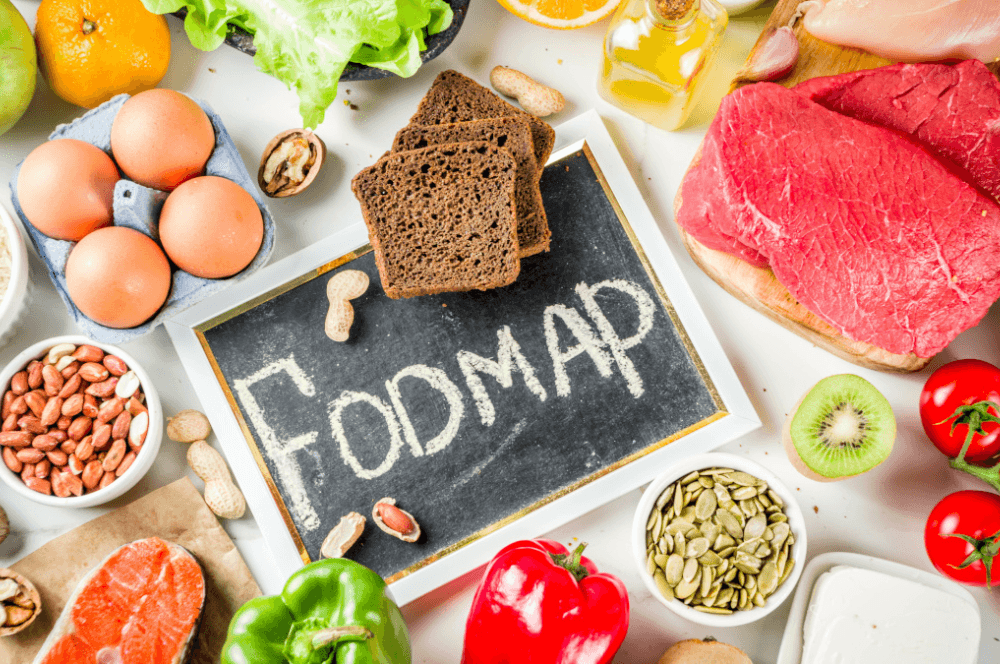
Low FODMAP diet: complete guide for beginners
The low FODMAP diet is a dietary approach designed to help people with sensitive digestion, bloating, gas, stomach pain and symptoms linked to IBS. It focuses on reducing certain fermentable carbohydrates that may be difficult to digest.
If you are looking for low FODMAP foods in the UK, this guide will help you understand what to eat, what to avoid and how to start safely.
What is the low FODMAP diet?
FODMAP stands for Fermentable Oligosaccharides, Disaccharides, Monosaccharides and Polyols. These are types of carbohydrates that can ferment in the gut and may cause digestive discomfort in some people.
Common symptoms may include:
- bloating
- gas
- abdominal pain
- diarrhoea
- constipation
Who is the low FODMAP diet for?
The low FODMAP diet is often used by people with IBS, food intolerances or recurring digestive discomfort. It may help identify which foods trigger symptoms and which foods are better tolerated.
However, this diet should not be followed as a long-term restrictive diet without proper guidance. If symptoms are severe or persistent, it is best to consult a doctor or dietitian.
Low FODMAP foods you can eat
There are many foods that can fit into a low FODMAP diet. These include simple, natural ingredients and selected gluten-free products.
- rice and rice-based products
- oats
- potatoes
- carrots
- spinach
- courgette
- bananas
- blueberries
- oranges
- eggs, fish and meat
- selected gluten-free pasta and flours
You can also browse our low FODMAP-friendly selection here: Low FODMAP products.
High FODMAP foods to avoid or limit
Some foods are naturally high in FODMAPs and may trigger symptoms in sensitive people.
- wheat and rye products
- onion and garlic
- milk and soft cheeses high in lactose
- apples, pears and mango
- honey
- beans and lentils
- sweeteners such as sorbitol, mannitol and maltitol
How to start a low FODMAP diet
The low FODMAP diet is usually divided into three main stages.
1. Elimination phase
High FODMAP foods are removed from the diet for a short period, usually around 4–6 weeks. This phase helps reduce symptoms and gives the digestive system time to settle.
2. Reintroduction phase
Foods are slowly reintroduced one by one to check tolerance. This helps identify which foods cause symptoms and which can be eaten safely.
3. Personalisation phase
The final stage is about creating a balanced, personalised diet based on your own tolerance. The goal is not to avoid everything forever, but to understand your body better.
Low FODMAP products that may help
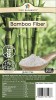
Choosing the right products can make the diet easier, especially when preparing quick meals or snacks. Some useful options include:
Low FODMAP diet and IBS
The low FODMAP diet is commonly recommended for people with IBS because it may help reduce bloating, gas and abdominal discomfort. Many people use it as a structured way to understand which foods affect their digestion.
It is important to remember that every person is different. A food that causes symptoms for one person may be tolerated well by another.
Tips for following a low FODMAP diet
- plan meals in advance
- read product labels carefully
- avoid hidden onion, garlic and sweeteners
- keep a food diary
- do not stay in the elimination phase for too long
- choose simple, gut-friendly ingredients
Final thoughts
The low FODMAP diet can be a helpful tool for people dealing with IBS, bloating and digestive discomfort. With the right knowledge and carefully selected foods, it becomes easier to manage symptoms and enjoy a more comfortable daily routine.
Learn more from our blog:
Inulin vs Psyllium - which fibre is better for gut health?
What does gluten free mean? What products do we include in this group?