 SAME DAY DISPATCH; ORDER BY 2PM
 SECURE PAYMENT
  4.8/5 RATING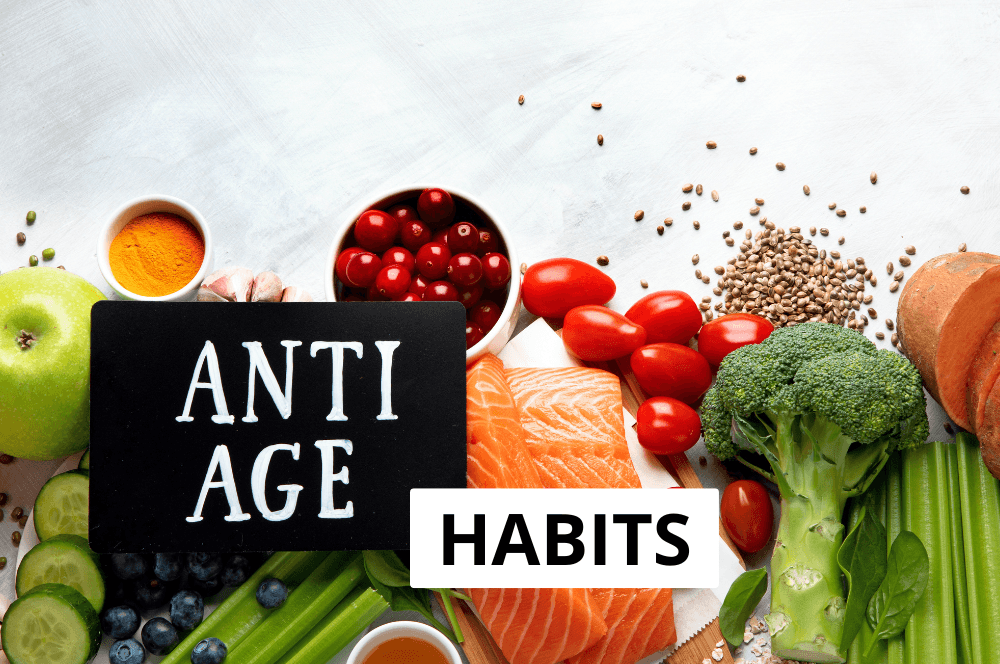
Daily habits that slow aging - simple routines for healthy ageing
Healthy ageing is not about one miracle supplement or one perfect diet. It is about small daily habits that support your body every day: better sleep, regular movement, balanced nutrition, gut health, hydration and the right nutrients. If you want to slow down visible signs of ageing and support long-term wellbeing, your everyday routine matters most.
In this guide, we look at the best daily habits that slow aging and the products that may support a healthy lifestyle, including food supplements, sports supplements & nutrition, omega-3 supplements, vitamin D, probiotics.
1. Prioritise sleep and recovery
Good sleep is one of the most important habits for healthy ageing. During sleep, the body repairs cells, balances hormones and supports brain function. Poor sleep can affect energy, skin appearance, appetite, mood and immune health.
To support better recovery, create a simple evening routine: avoid heavy meals late at night, reduce screen time before bed and keep a regular sleep schedule. Some people also include magnesium supplements as part of their evening routine, especially if they want to support relaxation and muscle function.
2. Eat more antioxidant-rich foods
One of the biggest causes of ageing is oxidative stress. Antioxidants help protect cells from damage caused by free radicals. A diet rich in colourful fruit, vegetables, herbs, teas and natural plant foods can support healthier ageing from the inside.
Good antioxidant-rich foods include berries, green tea, matcha, cocoa, turmeric, cinnamon, leafy greens and colourful vegetables. You can also add products such as green tea, matcha powder, cocoa products and turmeric to your daily routine.
3. Support your gut health every day
Gut health is strongly connected with immunity, digestion, skin health, energy and overall wellbeing. A healthy gut microbiome needs fibre, variety and regular nourishment. This is why prebiotics, probiotics and high fibre foods are important in a healthy ageing diet.
To support gut health, include foods such as oats, whole grains, vegetables, legumes, seeds and fermented foods. You can also consider probiotics, inulin and fibre supplements.
Tip: If you are building a daily longevity routine, start with fibre first. Many people focus on supplements but forget that fibre is one of the most important nutrients for digestion, gut health and long-term wellness.
4. Add omega-3 to your routine
Omega-3 fatty acids are often linked with heart health, brain function, inflammation balance and healthy ageing. They are naturally found in oily fish, flaxseed, chia seeds and some plant oils. If your diet does not include enough omega-3, supplementation may be useful.
Good options include omega-3 capsules, chia seeds and linseed. Omega-3 is one of the most popular daily supplements for people who want to support long-term health.
5. Do not forget vitamin D
In the UK, many people have low vitamin D levels, especially during autumn and winter. Vitamin D supports immune health, bones, muscles and general wellbeing. It is one of the most important daily supplements to consider, particularly if you spend a lot of time indoors.
You can browse vitamin D supplements, including vitamin D3 and vitamin D combined with K2. Always follow the recommended daily intake and speak to a healthcare professional if you are unsure which dosage is suitable for you.
6. Choose protein for muscle and metabolism
Healthy ageing is not only about skin. It is also about keeping muscles strong, supporting metabolism and maintaining energy. As we age, preserving muscle mass becomes increasingly important. This is why protein should be part of your daily diet.
Good protein sources include eggs, fish, legumes, tofu, nuts, seeds and high-protein products. If you want convenient options, you can include , protein snacks or sports nutrition products.
7. Use anti-inflammatory ingredients
Chronic inflammation is often connected with poor diet, stress, lack of sleep and low physical activity. A diet rich in natural, anti-inflammatory foods may support healthy ageing and daily wellbeing.
Useful ingredients include turmeric, ginger, garlic, olive oil, berries, green tea, omega-3 foods and colourful vegetables. Products such as turmeric, ginger, green tea and omega-3 can fit well into a daily healthy ageing routine.
8. Stay hydrated
Hydration affects skin, digestion, concentration, energy and physical performance. Even mild dehydration can make you feel tired and affect how your body functions. Water should be your main drink, but herbal teas and natural drinks can also help you drink more during the day.
9. Move your body daily
Daily movement is one of the strongest habits for longevity. You do not need extreme exercise to support healthy ageing. Walking, stretching, strength training, cycling or light home workouts can all help maintain mobility, muscle strength and heart health.
For active people, useful products may include magnesium, electrolytes, protein products and sports nutrition.
10. Build a simple daily supplement routine
Supplements should not replace a balanced diet, but they can help support your routine when used correctly. For healthy ageing, the most useful daily supplement categories often include:
- Omega-3 – for heart, brain and general wellbeing support.
- Vitamin D – especially important in the UK.
- Magnesium – for muscles, relaxation and normal body function.
- Probiotics – for gut health support.
- Fibre – for digestion and microbiome support.
- Multivitamins – for general daily nutritional support.
- Vitamin C – for immune support and antioxidant protection.
What to avoid if you want to age well
Healthy ageing is not only about what you add to your routine. It is also about what you reduce. Too much sugar, ultra-processed food, alcohol, poor sleep, stress and lack of movement can all affect your long-term wellbeing.
Try to reduce highly processed snacks and replace them with healthier alternatives such as nuts and seeds, protein snacks, whole grains, healthy snacks and organic food.
Daily healthy ageing routine example
Here is a simple routine you can follow:
- Morning: drink water, eat a protein-rich breakfast and take vitamin D if needed.
- During the day: walk, stay hydrated and eat fibre-rich foods.
- Lunch: include vegetables, whole grains and healthy fats.
- Afternoon: choose green tea, matcha or a healthy snack instead of sugary snacks.
- Evening: eat a lighter meal, reduce screen time and support relaxation with a calming routine.
Final thoughts
The best daily habits that slow aging are simple: sleep well, move daily, eat more fibre, support gut health, stay hydrated, choose antioxidant-rich foods and use supplements wisely. You do not need a complicated routine.
Small habits repeated every day can make the biggest difference.
At 4ecoshop, you can find a wide range of products to support healthy ageing, including food supplements, omega-3, vitamin D, magnesium, probiotics, high fibre foods, organic food and sports nutrition.
Learn more from our blog:
Einkorn flour - benefits, nutrition and baking tips for healthier baking
Can you take creatine without working out? Benefits, dosage & UK guide