 SAME DAY DISPATCH; ORDER BY 2PM
 SECURE PAYMENT
  4.8/5 RATING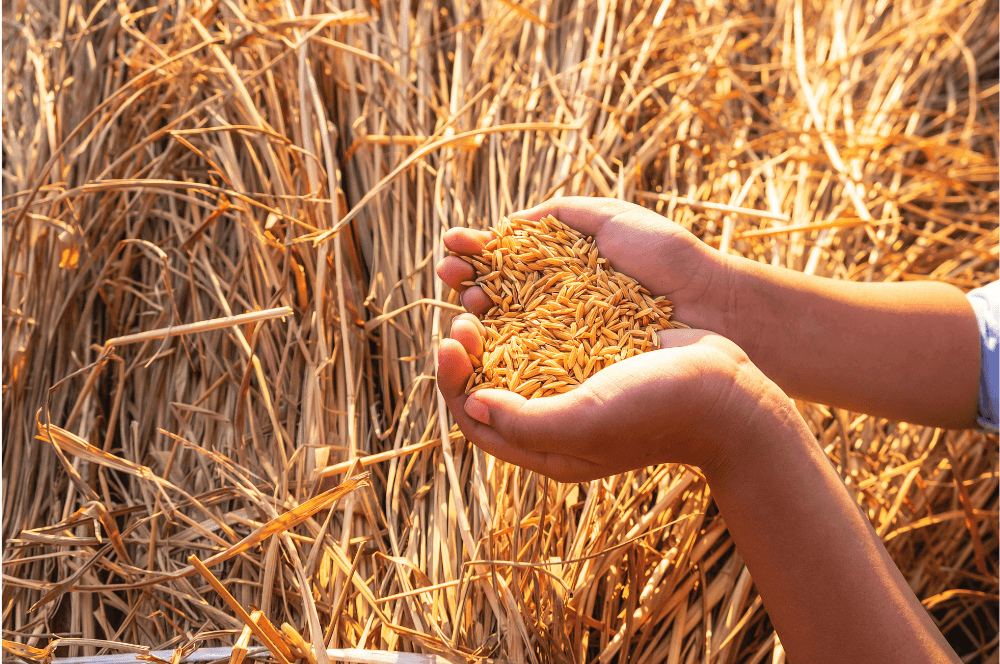
Ancient grains: what they are, benefits, and how to use them
Ancient grains are gaining popularity across the UK as more people look for natural, less processed, and nutrient-rich alternatives to modern wheat. But what exactly are ancient grains, and are they really healthier?
In this guide, we explain what ancient grains are, their benefits, and how you can include them in your daily diet.
What are ancient grains?
Ancient grains are varieties of grains that have remained largely unchanged over the last several hundred (or even thousands) of years. Unlike modern wheat, they have not been heavily modified or hybridised.
Some of the most popular ancient grains include:
- Spelt
- Einkorn
- Emmer (farro)
- Amaranth
- Quinoa
- Teff
These grains are often considered more natural and are valued for their nutritional profile and traditional cultivation methods.
Want to learn more about baking with einkorn flour? Read our complete guide to einkorn flour benefits and baking tips .
Ancient grains benefits
Many people in the UK are switching to ancient grains due to their potential health benefits:
- Less processed: closer to their original form
- Rich in nutrients: including fibre, protein, and minerals
- Better digestibility: some people find them easier to tolerate than modern wheat
- Support gut health: thanks to their natural fibre content
While they are not a miracle food, ancient grains can be a valuable part of a balanced diet.
Ancient grains vs modern wheat
Modern wheat has been bred for higher yields and baking performance, which often changes its structure and nutritional value.
Ancient grains, such as spelt or einkorn, are typically less modified and may contain different gluten structures. This is why some individuals report better tolerance, although they are not suitable for people with coeliac disease.
Are ancient grains gluten free?
Not all ancient grains are gluten free. For example:
- Spelt, einkorn, and emmer contain gluten
- Quinoa, amaranth, and teff are naturally gluten free
If you are following a gluten-free diet, always check product labels carefully.
Ancient grains for gut health
Ancient grains are often included in gut-friendly diets because of their fibre content. Fibre supports digestion and helps maintain a healthy gut microbiome.
For people exploring gut health, combining ancient grains with prebiotic foods can be especially beneficial.
How to use ancient grains in everyday cooking
Adding ancient grains to your diet is easier than you might think:
They can be used in both sweet and savoury recipes, making them very versatile.
Where to buy ancient grains in the UK
If you are looking to include ancient grains in your diet, it’s important to choose high-quality products.
Explore our selection of ancient grains and flours available in the UK:
Final thoughts
Ancient grains are a great option for those looking to diversify their diet and explore more natural food choices. While they are not suitable for everyone, they offer a nutritious and versatile alternative to modern grains.
Want to learn more about spelt and modern wheat?
While ancient grains are often compared to modern wheat, not all grains behave the same way in baking, digestion, or nutrition.
In our detailed guide, we compare spelt and modern wheat side by side - including gluten structure, fibre content, taste, baking performance, and why many people are rediscovering ancient grains in modern diets.
Read the full guide: Spelt vs wheat – key differences between ancient and modern grains
As interest in gut health and clean eating continues to grow in the UK, ancient grains are likely to become an even more important part of everyday nutrition.
Learn more from our blog:
Low FODMAP diet: complete guide for beginners
Inulin vs Psyllium - which fibre is better for gut health?