 SAME DAY DISPATCH; ORDER BY 2PM
 SECURE PAYMENT
  4.8/5 RATING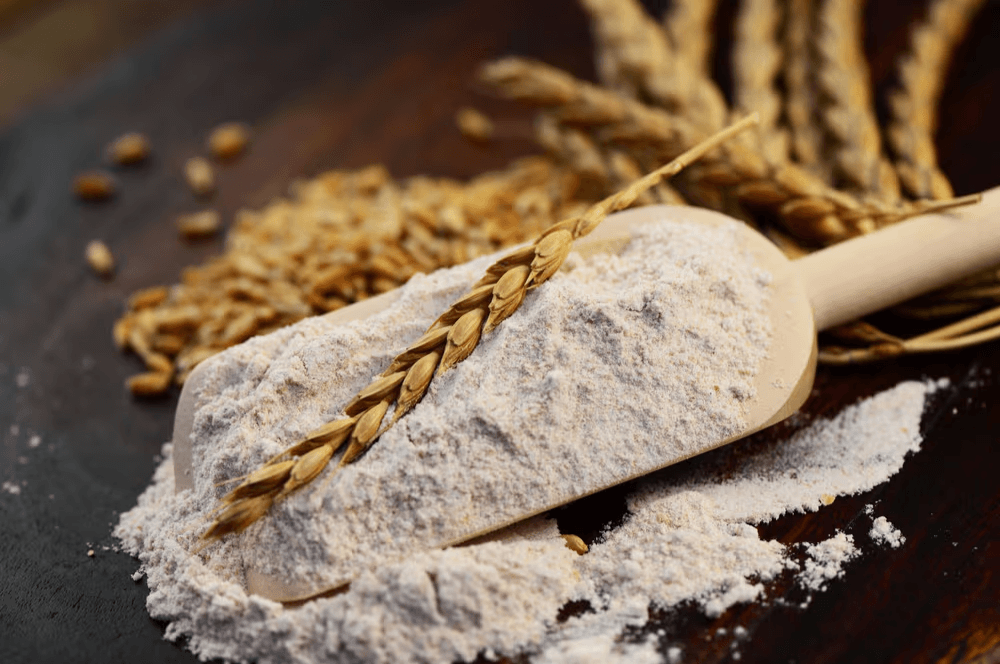
Spelt vs wheat – key differences between ancient and modern grains
Spelt is a species of wheat, so the choice sits between two types of the same grain, one ancient and one modern. Both contain gluten and both go into bread and pasta, and the real differences show up in the dough. Line up spelt vs wheat and three things separate them: the structure of the gluten, how much water the flour drinks and the flavour of the crumb. Weigh up both grains, and pick the flour that suits what you are baking!
Key takeaways:
- Spelt is a type of wheat: it belongs to the same genus as bread wheat, which is why the two behave alike in the kitchen.
- It contains gluten: spelt is not suitable for a gluten-free diet or for anyone with coeliac disease.
- Spelt dough takes less water: start with around 10% less liquid and add the rest a spoonful at a time.
- Mix it gently: spelt gluten is delicate, so a short knead and a longer rest give a better crumb.
- Wheat keeps its place: stronger gluten, lower prices and wider choice suit tall loaves and durum pasta.
What is spelt?
Spelt is an ancient species of wheat, grown across Europe for thousands of years and milled into flour much the same way as any other wheat. It never went through the intensive breeding that shaped the varieties now grown on most farms, which is why it belongs with the ancient grains.
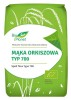
Spelt flour is sold in the same type numbers as ordinary wheat flour: 550 for light bakes, 650 and 700 for everyday use, 750 for bread and type 00 for pizza. We list six spelt flours in the organic flour category, from a light type 550 up to a bread flour type 750, which makes it easy to match a bag of organic spelt flour to the bake you have in mind.
What is modern wheat?
Modern wheat is the bread wheat behind almost every bag of plain and strong flour on a British shelf, selected over generations for yield and for dough strength. Its gluten is strong and elastic, which is what lets a loaf climb in the oven and hold an open crumb. On a British shelf the same grain arrives under two everyday names: plain flour for cakes and pastry, and strong or bread flour milled to a higher protein level for yeasted baking.
Spelt vs wheat – key differences
Most of what separates spelt from modern wheat becomes visible once the flour is wet.
Here is how the two grains compare in the kitchen:
Is spelt healthier than wheat?
Spelt carries no automatic health advantage over wheat, because both are wheat species and what appears in the nutrition table depends mostly on how much of the grain the miller left in.
Nutritional value of spelt
The organic spelt flour type 700 from Bio Planet, milled from 100% spelt, gives 355 kcal, 14 g of protein, 70 g of carbohydrate and 1.3 g of fat per 100 g. At that level protein supplies more than a tenth of the energy in the bag, enough for the flour to count as a source of protein. Check the allergen note on the same label while you are there.
Is spelt easier to digest than wheat?
Spelt is a species of wheat, so anyone who reacts to wheat has no reason to expect a different outcome from spelt. Its gluten is built differently and it often reaches the shelf as a less refined flour. How a meal sits afterwards is individual, and recurring discomfort is worth discussing with a doctor or a dietitian.
Lower level of processing
The type number on a bag of flour tells you how much of the grain stayed in after milling, and spelt is often sold in the middle and upper types. A higher number means a darker flour and a heavier crumb with more of the grain in the taste.
Flavour and texture of spelt
Spelt tastes mildly sweet with a nutty edge, and that flavour holds through baking instead of disappearing under yeast and butter. The crumb comes out soft and close-textured, so a spelt loaf feels heavier in the hand than a wheat loaf of the same size.
Does spelt contain gluten?
Yes, spelt contains gluten, because it is a species of wheat and its grain carries the same family of gluten proteins. That rules it out of a gluten-free diet and makes it unsuitable for anyone with coeliac disease, whichever form it comes in: flour, pasta or whole grains.
When is wheat a better option?
Modern wheat is the better choice whenever the dough has to hold its shape through a long rise or a long mix.
Wheat earns its place in four everyday situations:
- Tall yeasted loaves: strong gluten traps the gas from the yeast and holds a high, open crumb.
- Enriched doughs: brioche, buns and other butter-heavy doughs need gluten that survives long kneading.
- Dried pasta: durum wheat gives the firm bite that holds up to boiling.
- Price and choice: wheat flour is milled everywhere, so it is easier to find and usually cheaper.
Plenty of kitchens keep both flours on the shelf and switch by recipe, which is the simplest way to get the best from each.
Is spelt flour better than wheat flour?
Spelt flour is the better choice for some bakes and wheat flour for others, so the useful question is what you are making this afternoon.
A bag of organic spelt flour type 700 from Bio Planet is a sensible first purchase, milled from 100% spelt by a Polish mill.
How do you bake with spelt flour?
Baking with spelt takes two adjustments to a wheat recipe: less liquid and a shorter mix.
Use less water in spelt dough
Start with about 10% less water than a wheat recipe asks for and add the rest a spoonful at a time until the dough comes together. Treat that as a starting rule and let the feel of the dough settle the rest.
Avoid overmixing the dough
Spelt gluten is more delicate than wheat gluten, so long kneading weakens the structure and the dough begins to spread across the tin. Knead briefly and give the dough a longer rest, letting time do the work a mixer would do with wheat.
Combine spelt with other flours
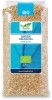
A 50/50 mix of spelt and wheat flour is the easiest way into spelt baking, keeping the lift of wheat with the flavour of spelt. Spelt also pairs well with wholemeal rye, wholemeal wheat or another ancient grain such as einkorn or emmer, all of which sit on the wholegrain flour shelf. Baking with 100% spelt works best in sourdough loaves, flatbreads and pancakes.
How else can you eat spelt?
Spelt reaches the table in more forms than flour, and pasta is the easiest of them. Our spelt pasta shelf runs from three-egg medium cut to fusilli, ribbons and spaghetti, and every shape cooks like ordinary dried pasta with a nuttier flavour behind it.
Three simple ways to bring spelt into everyday meals:
- Pasta night: swap durum shapes for spelt fusilli or ribbons and keep the sauce exactly as it is.
- Weekend pancakes: spelt makes a soft batter that fries well, with the liquid trimmed a little.
- A slow sourdough: spelt ferments readily, which suits a loaf left to rise over a weekend.
None of it calls for special equipment, and a single bag of flour covers most of that list.
Why is spelt called an ancient grain?
Spelt has kept much the same genetic form for thousands of years, escaping the intensive breeding that reshaped modern wheat, which earns it the ancient-grain label.
Einkorn, emmer and the other ancient grains follow the same logic: older genetics, smaller harvests and more character in the flour.
Spelt or wheat – which should you choose?
Let the recipe make the choice for you. A sourdough loaf, a flatbread or a pancake batter suits spelt and the flavour it brings; a tall yeasted loaf, a brioche or a plate of dried pasta suits the strength of modern wheat.
Both grains sit side by side among grain products, and plenty of bakers keep a bag of each rather than choosing once and for all. Start with one bag of spelt type 700 next to the wheat flour you already trust, and let the results in the tin settle the balance between them.
Frequently asked questions about spelt vs wheat
Is spelt the same as wheat?
Spelt is a distinct species within the wheat family, so it is wheat, though not the wheat sold as plain or strong flour. Packaging rarely spells that out, which matters for anyone avoiding wheat for reasons other than taste.
Is spelt bread better for you than wheat bread?
A spelt loaf carries no automatic advantage, because the flour type and the rest of the recipe shape the nutrition table far more than the species does. Put the two labels next to each other and compare the fibre and salt figures on the loaves you actually buy.
Can you make sourdough bread with spelt flour?
Spelt works well in sourdough and is one of its most popular flours. Fermentation can run quicker than with wheat, so check the dough earlier than your usual timings suggest and shape it before it loses its structure.
Is spelt flour healthier than white flour?
Compare like with like, because a light spelt type 550 is a white flour just as a light wheat type 550 is.
Can you replace wheat flour with spelt flour in recipes?
You can swap the two gram for gram, as long as you adjust the method to suit spelt's gentler gluten, and expect a moister, denser result than the original recipe describes.
Can people with coeliac disease eat spelt?
No, spelt is not safe for anyone with coeliac disease, since it is a wheat species and contains gluten. A coeliac diet needs products labelled gluten-free, made from crops such as rice, buckwheat or maize.